Robin Williams' Children Reactivate His Instagram to Push Back on AI Videos of Him

Zak, Zelda and Cody Williams have reactivated their father's Instagram account, @therobinwilliams, and said in a joint post that the reason is the volume of AI-generated video circulating under Robin Williams' face and voice. They described the account as a place to share his work "with authenticity, warmth, and care" — a counterweight, in other words, to synthetic clips his family never approved.
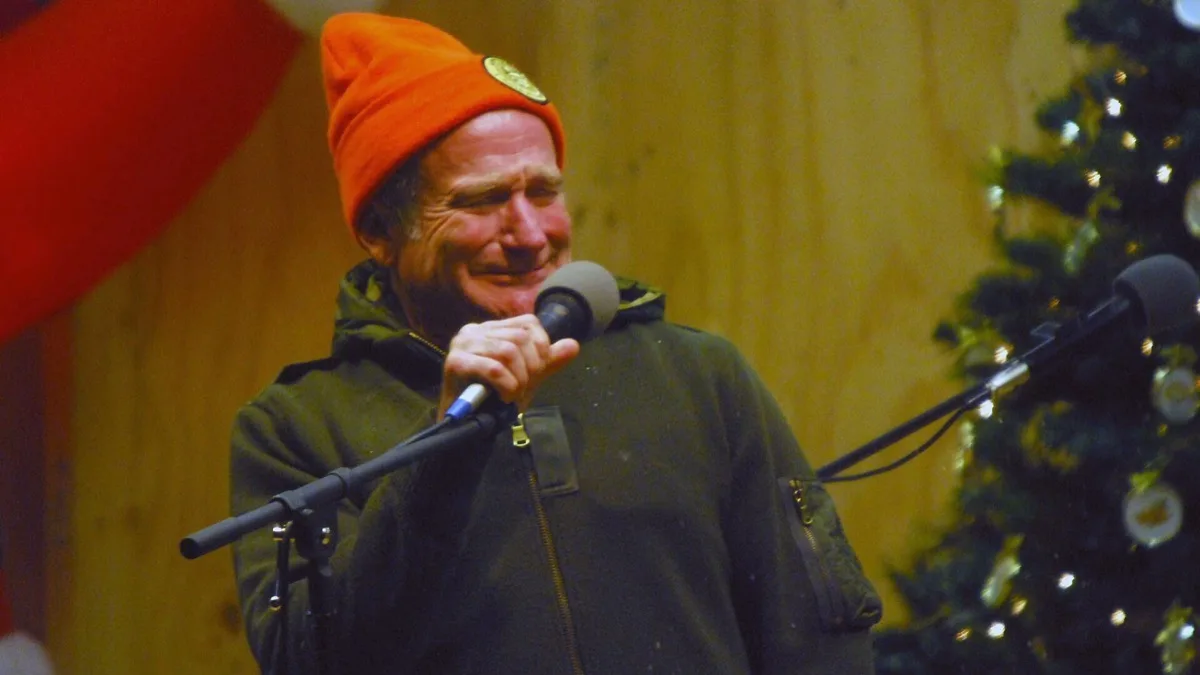
For anyone scrolling past one of those clips, the practical change is small but real: there is now a single verified account the estate controls, and anything posted there is the family's, not a model's. Everything else purporting to be new Robin Williams footage is not.
What did the family actually say?
The statement went up on the account itself, signed by all three of Williams' children. It frames the revival as legacy stewardship rather than a takedown campaign: they said they are glad new audiences keep finding his work, and they want the page to be a safe, trusted place for the stories, photos and videos shared there.
Zelda Williams has been the most vocal of the three on this. In October 2025 she asked people to stop sending her AI videos of her father, writing that she does not want to see them and will not understand why anyone made them. She has previously described the practice of reducing a real person to something that vaguely looks and sounds like them as maddening.
Nothing in the family's post accuses a specific platform, tool or creator. They have not announced legal action, and no takedown request has been made public.
Why is AI slop such a problem for dead celebrities?
Generative video got cheap and fast at the moment short-form feeds started rewarding volume. A deceased performer is close to ideal source material: decades of archive footage, instant recognition, nostalgia demand, and nobody who can post a rebuttal. An active, verified account gives the audience the one thing a reporting tool cannot — a reference point.
- The account: @therobinwilliams, run by the actor's three children.
- The reason given: AI misuse of his likeness across social platforms.
- What it will carry: photos, video and stories the family selects.
- What has not happened: no lawsuit, no named platform, no policy change announced.
What do Instagram's AI rules cover right now?
Meta attaches an "AI info" label to posts it identifies as AI-generated, using a mix of creator self-disclosure, provenance metadata embedded by the generating tool, and its own classifiers. In 2026 Instagram also began surfacing an optional profile-level label indicating that an account posts AI-generated or AI-modified content.
The gap is the one the Williams family is living with: labelling tells you a clip was synthesised, but it does not ask whose face is in it. A convincingly labelled AI video of a real person is still an AI video of a real person, and the label alone does not give an estate any say over whether it stays up. Platforms have been more willing to add context than to remove content — a pattern also visible in the recent AI copyright guardrails agreed for TikTok, CapCut and Dreamina, which lean on rights-holder controls rather than blanket bans.
What can you do when you see one?
Report it rather than quote-post it. Every engagement — including the angry kind — tells the ranking system the clip works, and slop accounts optimise for exactly that signal.
- Use the post's own menu to report it, choosing the impersonation or misleading-content option rather than a generic spam report.
- Check whether the poster carries an AI-creator label before assuming footage is archival.
- Follow the estate-run account if you want the real material in your feed, which also trains your recommendations away from the fakes.
- Do not download and re-upload a clip to criticise it. That just creates a second copy.
Does this change anything for the platforms?
Not directly. No rule has changed and no company has responded. What the family has done is a workaround built out of existing tools — claim the account, post real material — and its usefulness measures how little else is on offer.
Pressure on Meta over how its feeds are governed is not new; the company was recently ordered to pay $567 million in New Mexico and rebuild its teen safety tools. The line between fan-made and official video is blurring from the other direction too, with Disney piping TikTok fan videos into Disney+, while new short-video apps keep arriving — the Vine reboot Divine opened signups this week — each another surface where an unlabelled clip can land.
For now the answer available to Robin Williams' children is the one they took: occupy the space themselves.
Frequently Asked Questions
What is Robin Williams' official Instagram account?
The account is @therobinwilliams, reactivated by his three children, Zak, Zelda and Cody Williams. They have said they will use it to share photos, videos and stories about their father. It is the only Instagram account the family has said it runs.
Why did Robin Williams' children bring the account back?
They said AI-generated video using their father's face and voice has spread widely across social platforms, and they wanted a trusted place where the material posted about him is authentic. Zelda Williams had previously asked people publicly to stop sending her AI clips of him.
Does Instagram delete AI videos of real people?
Not automatically. Meta's approach is primarily to label content it identifies as AI-generated with an "AI info" tag, and in 2026 it added an optional profile label for accounts that post AI content. Removal generally depends on a report succeeding under a rule such as impersonation, not on the clip being synthetic.
How do I report an AI video that uses someone's likeness?
Open the three-dot menu on the post, choose Report, and pick the option covering impersonation or misleading content rather than reporting it as spam. Reporting is more effective than commenting, because comments and shares raise the post's reach in the feed.
Is there a law against AI videos of dead performers?
Protection varies by jurisdiction and no single rule covers it everywhere. Some US states recognise a post-mortem right of publicity that an estate can enforce, but the family has not announced any legal action in this case, and their response so far has been to run the account themselves.