Microsoft Promises to Fix Windows 11: Less Copilot, Better Performance, More Control

Microsoft has announced a major plan to clean up Windows 11, rolling back aggressive AI features, speeding up core tools, and giving users more control over how the operating system behaves. Changes will begin reaching Windows Insiders this month and continue through April.
Why This Matters
Windows 11 has been losing goodwill fast. Microsoft spent the last two years pushing Copilot into almost every corner of the OS — before most of it was ready. This announcement signals the company heard the backlash and is now putting basic usability ahead of AI ambition.
Copilot Gets Cut Back Across the OS
Copilot buttons and entry points will be removed from several built-in apps, including Snipping Tool, Photos, Notepad, and Widgets. Microsoft says it will now only bring AI into places where it is genuinely useful — not just everywhere it can fit.
The shift is notable. For two years, Microsoft treated every app as a potential AI surface. That strategy appears to be over, at least for now.
Pavan Davuluri, Executive Vice President of Windows and Devices, said the decision followed months of listening to user feedback across the Windows community.
"Thank you for holding us to a high standard. Windows is as much yours as it is ours. We're committed to strengthening its foundation and delivering innovation where it matters, for you." — Pavan Davuluri, EVP Windows & Devices, Microsoft
File Explorer, Taskbar, and Updates Get Long-Awaited Fixes
File Explorer — one of the most used and most complained-about tools in Windows — will get a faster launch, smoother navigation, reduced flicker, and better reliability for copying and moving large files.
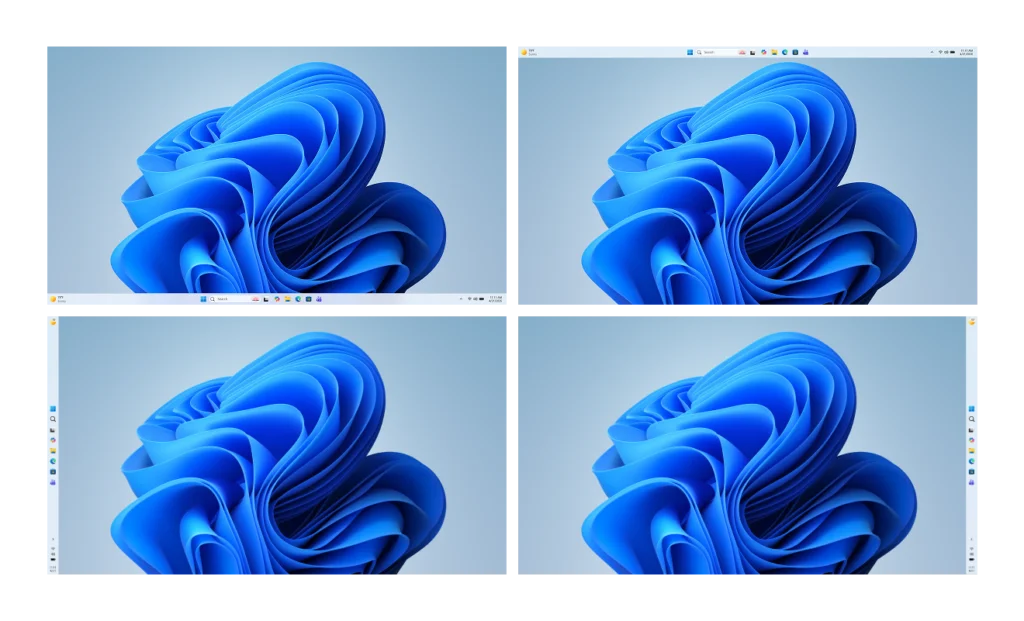
The taskbar can now be moved to the top or sides of the screen, not just the bottom. This has been one of the most requested features from Windows users for years.
On updates, users will gain the ability to skip installations during device setup, shut down or restart without being forced to update, and pause updates for longer than currently allowed. Automatic restart notifications will also be reduced.
Speed and Stability Get Serious Attention
Under the hood, Microsoft is targeting the memory footprint of Windows itself — freeing up more RAM for the apps users actually run. Interaction latency in core surfaces like the Start menu is also being reduced by moving more of Windows to the WinUI3 framework.
Search across Windows — in the taskbar, File Explorer, Start, and Settings — will return faster, more accurate results. Web results will be clearly separated from local device results.
On stability, the focus is on cutting OS-level crashes, improving driver quality, and fixing common hardware headaches like Bluetooth drops, USB disconnections, and printer connection failures.
Windows Hello authentication is also getting work — faster fingerprint sign-in, more reliable face recognition, and fewer failed attempts before the system lets you in.
Background: Two Years of Frustration
Windows 11 launched in 2021 to a mixed reception. Microsoft then spent 2023 and 2024 aggressively adding Copilot features to the OS, often at the cost of performance and simplicity. Users complained about sluggish File Explorer, forced AI prompts, unwanted widgets, and disruptive update restarts. Criticism grew louder through 2025, with many long-time Windows users publicly questioning whether Microsoft had lost the plot on its flagship product.
Feedback Hub Rebuilt From the Ground Up
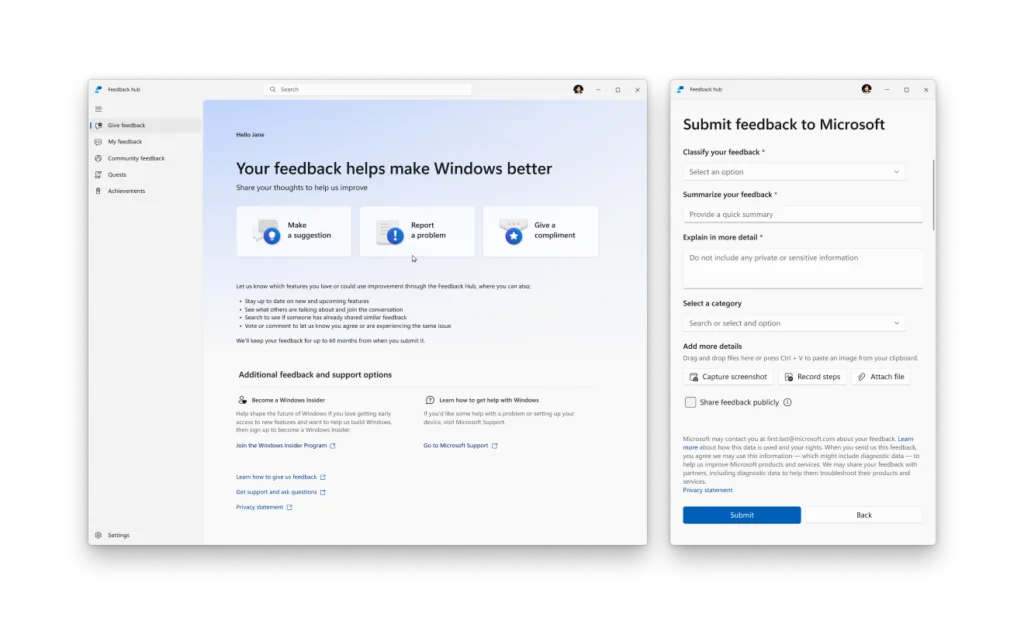
The Feedback Hub — where Insiders report issues and vote on fixes — has been redesigned. The update, the largest since the app launched, makes it faster to submit reports and easier to see what others are saying. Microsoft also says it will now show users how their feedback directly influenced changes in Windows builds.
What Happens Next
The first updated builds will arrive for Windows Insiders before the end of March, with more changes rolling out through April. Microsoft has not announced a public release timeline for any of the features. Davuluri said the company will also hold in-person community meetups in multiple cities worldwide, starting with an event already held in Seattle this week.
Related reading
Frequently Asked Questions
What is Microsoft changing in Windows 11?
Microsoft announced a plan to roll back aggressive AI features, speed up core tools and give users more control over how the operating system behaves. The changes started reaching Windows Insiders that month and continued through April.
Is Microsoft removing Copilot from Windows 11?
Not entirely, but it is cutting back entry points. Copilot buttons are being removed from several built-in apps including Snipping Tool, Photos, Notepad and Widgets, with Microsoft saying it will only place AI where it is genuinely useful.
Why is Microsoft reversing course on Windows 11 AI features?
Windows 11 had been losing goodwill after two years of Copilot being pushed into almost every corner of the OS before much of it was ready. The announcement was read as Microsoft responding to that backlash and putting basic usability first.
When do the Windows 11 changes arrive?
They began reaching Windows Insiders in the month of the announcement and continued rolling out through April, meaning general availability follows the usual Insider-to-stable pipeline.
Will File Explorer get faster in Windows 11?
Speeding up core tools was one of the three headline commitments in the announcement, alongside cutting back Copilot and returning control over taskbar and update behaviour to users.