Nvidia Confirms DLSS 5 Is Coming to RTX 40 GPUs, but Only After RTX 50 Tuning
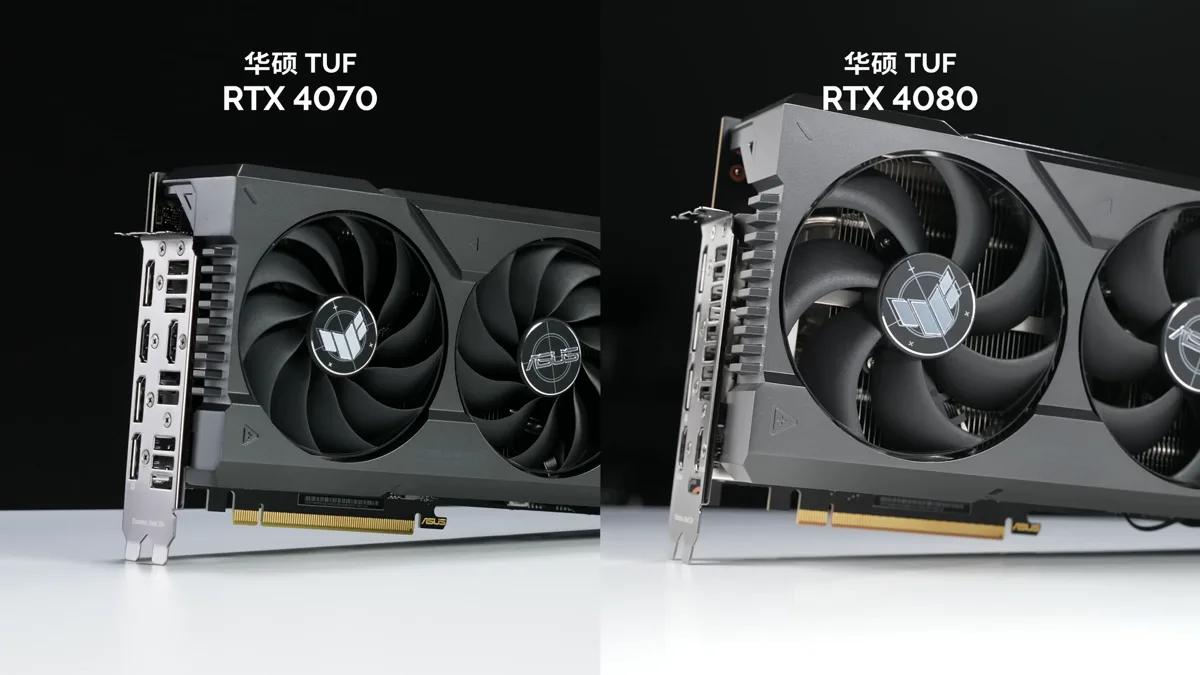
Nvidia will bring DLSS 5 to GeForce RTX 40 graphics cards, a company spokesperson confirmed in published comments on September 4, reversing the impression that its new neural rendering system would stay locked to the RTX 50 series. There is no date attached. Nvidia says it wants RTX 50 performance tuned first, with model updates due later this autumn, and only then will it start work on official RTX 40 support.
What Nvidia actually committed to
The wording matters, because it is a plan rather than a shipping date. Nvidia's statement says its current focus is optimising performance for the RTX 50 series, with model updates expected later this autumn, and that once that work is further along the company plans to expand official support to the RTX 40 series. Nothing in that sentence promises a driver, a build number or a quarter.
The shift follows a week in which the decision was taken out of Nvidia's hands. A leaked build of DLSS 5 was ported by modders onto hardware it was never sanctioned for, including RTX 40 cards, with the internal quality sliders exposed. Official support now arrives as a managed version of something already circulating unofficially.
RTX 30 and RTX 20 owners should not read this as their turn
Modders got DLSS 5 running on RTX 30 and RTX 20 cards too, in the loose sense that it produced frames. Asked whether those generations were next, Nvidia would only repeat that the focus is the RTX 50 series and that the RTX 40 series comes after that. No commitment of any kind was made to older Turing or Ampere cards.
So the practical ordering today is: RTX 50 now, RTX 40 at some point after the autumn tuning pass, everything older unaddressed.
A toggle for players, sliders for studios
One thing that will not carry over from the mods is control. Nvidia confirmed that DLSS 5 is presented to players as a plain on-or-off switch. The granular parameters the modding community has been experimenting with — model selection, Structure Intensity, Tone Intensity, automatic masking and custom per-pixel masking — are developer-side tools, meant to keep a game looking the way its art team intended.
That is not an absolute wall. Studios can choose to surface some of those options in their own graphics menus, exactly as they did with DLSS Super Resolution, which began life as a single toggle and now appears in most games as a quality preset or a percentage slider. Whether any studio does that with DLSS 5 is up to the studio, not Nvidia.
The cost of turning it on
DLSS 5 is not an upscaler in the older sense. It rewrites lighting and material detail on every rendered frame rather than reconstructing resolution, which is why we described it as a shift in what the technology is for when Nvidia first unveiled it at GTC in March. Running an AI model on every frame is expensive, and early testing puts the frame-rate cost somewhere in the region of 50 to 60 percent — a figure that helps explain why the launch title is a basketball game rather than a path-traced showcase.
How to see DLSS 5 today
Right now there is one way in, and one game:
- On your own PC: an RTX 50 desktop or laptop GPU, running NBA 2K27, which shipped with DLSS 5 3D-Guided Neural Rendering enabled through a collaboration between Nvidia, Visual Concepts and 2K.
- In the cloud: a GeForce NOW Ultimate membership in an Nvidia-operated region, where NBA 2K27 streams from RTX 5080-class rigs with DLSS 5 available. That route works from PCs, Macs, handhelds, phones and TVs, and needs no local RTX hardware at all.
For anyone weighing an upgrade purely to get DLSS 5, the sensible advice is to wait. The feature exists in exactly one game, carries a heavy frame-rate cost, and Nvidia has said its own optimisation work is unfinished — all of that in a market where graphics card prices have been climbing for reasons unrelated to rendering technology.
Frequently Asked Questions
Will DLSS 5 work on RTX 40 series GPUs?
Yes, eventually. Nvidia confirmed on September 4, 2026 that it plans to expand official DLSS 5 support to GeForce RTX 40 cards. The work starts only after it finishes optimising performance on the RTX 50 series, with model updates expected later in autumn 2026, and no release date has been given.
Is DLSS 5 coming to RTX 30 or RTX 20 cards?
Nvidia has made no commitment to either generation. Asked directly about older RTX cards, the company said its focus is the RTX 50 series first and the RTX 40 series after that. Modders have run leaked DLSS 5 builds on RTX 30 and RTX 20 hardware, but the results were unstable and this is not supported by Nvidia.
Which games support DLSS 5 right now?
One: NBA 2K27, which launched with DLSS 5 3D-Guided Neural Rendering built in through a collaboration between Nvidia, Visual Concepts and 2K. Other publishers announced DLSS 5 titles earlier in 2026, but none of those games have shipped with the technology yet.
Can I adjust DLSS 5 settings as a player?
No. Nvidia confirmed that DLSS 5 appears to players as a simple on-or-off toggle. Controls such as model selection, Structure Intensity, Tone Intensity and per-pixel masking are reserved for developers, though individual studios can choose to expose some of them in their own graphics menus.
How much performance does DLSS 5 cost?
Early testing points to a frame-rate cost of roughly 50 to 60 percent, because the AI model runs on every rendered frame rather than upscaling a lower-resolution image. Nvidia has said RTX 50 optimisation is still under way, so that figure should improve with the model updates due later in autumn 2026.