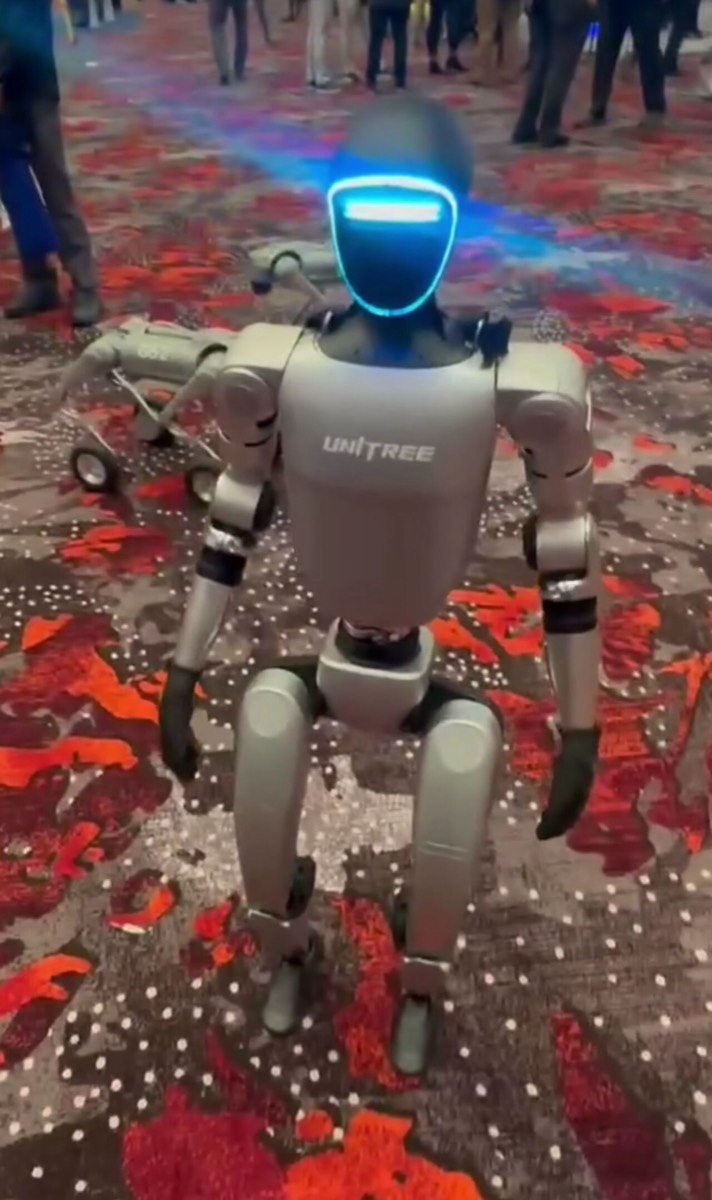
Unitree G1
Compact research humanoid
The humanoid that set the price floor for serious research hardware: 1.32m tall, 23 degrees of freedom and a published $13,500 checkout price.
Every humanoid and legged robot we track, with the full specification sheet for each one — height and mass, degrees of freedom, joint torque, onboard compute, sensors, battery life and software stack.
Most robot coverage quotes a price and moves on. This directory separates the 6 robots with a published price from the ones that are quote-only or not sold at all, because that difference matters more than any spec on the page.
By Aditya Singh · Every price on this page is checked against the manufacturer's own order page or store listing — not an aggregator figure — with the verification date shown on each robot's own page. Updated July 31, 2026.

Compact research humanoid
The humanoid that set the price floor for serious research hardware: 1.32m tall, 23 degrees of freedom and a published $13,500 checkout price.

General-purpose humanoid
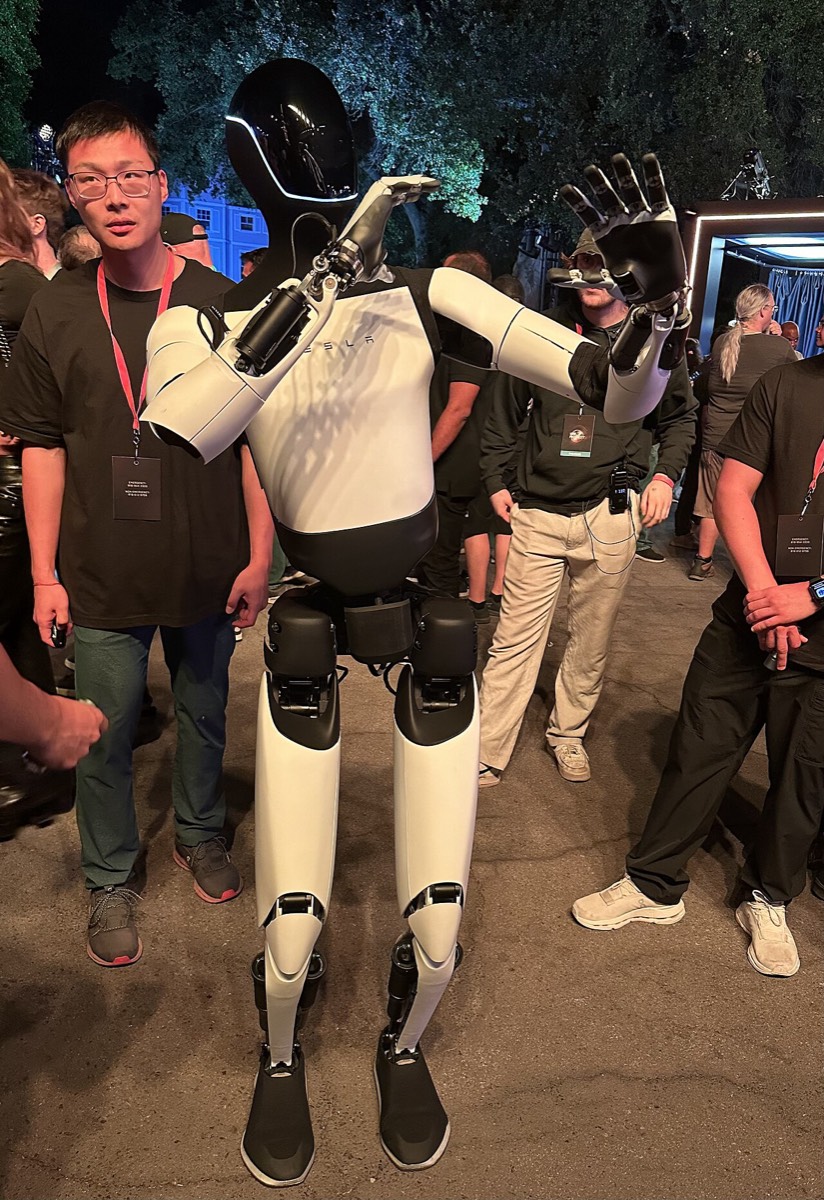
Tesla's in-house humanoid, aimed first at work inside Tesla's own factories with a consumer version repeatedly promised at a car-like price.
Commercial humanoid
Figure's third-generation humanoid, redesigned around its own Helix AI model and built for both warehouse work and eventual home trials.
Home humanoid
A soft, tendon-driven home humanoid taking public pre-orders, sold either outright or as a monthly subscription with teleoperated help built in.

Electric research humanoid
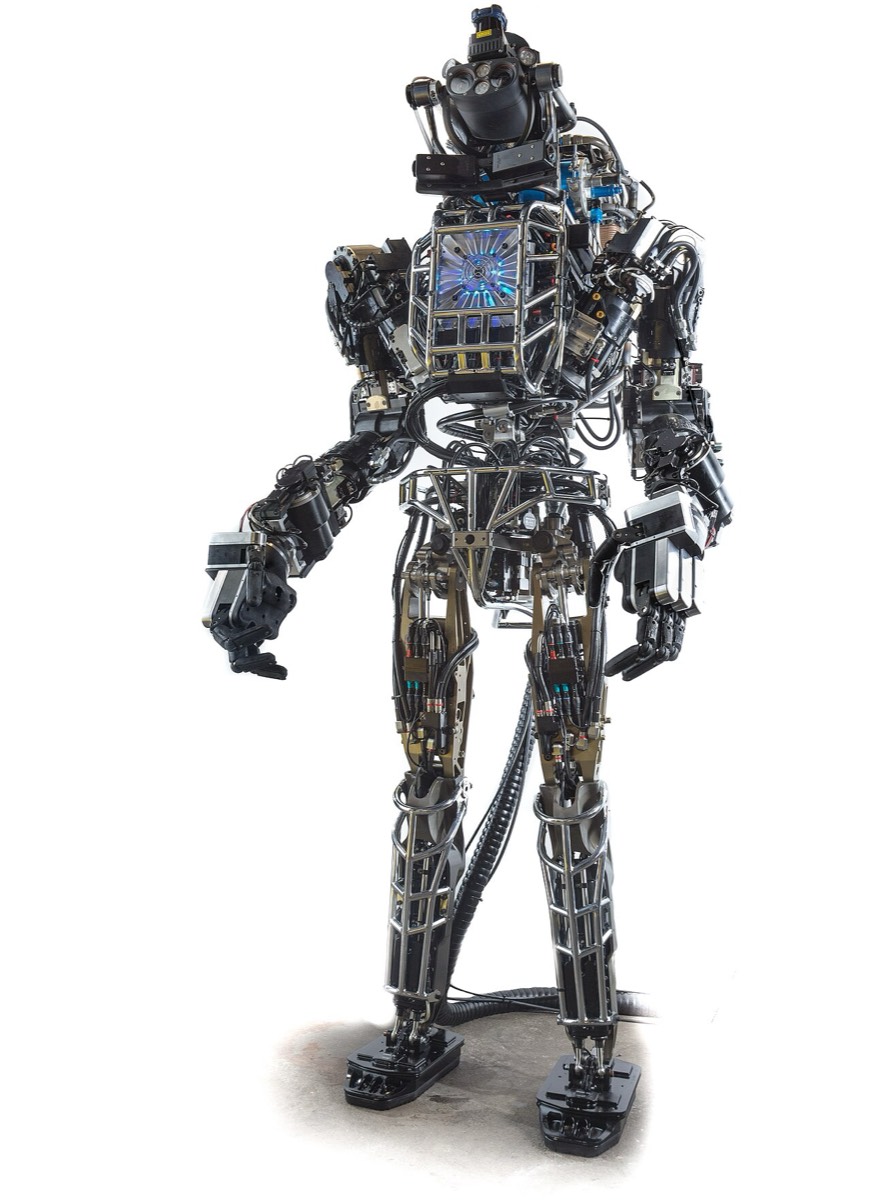
The all-electric Atlas: joints that rotate past human range, Toyota Research Institute's large behaviour models, and Hyundai factory pilots.
Full-size performance humanoid
Unitree's full-size flagship at $29,900: 1.82m tall, 31 degrees of freedom and knee torque of 360 N·m — a third of what the H1 it replaces cost.

Warehouse logistics humanoid
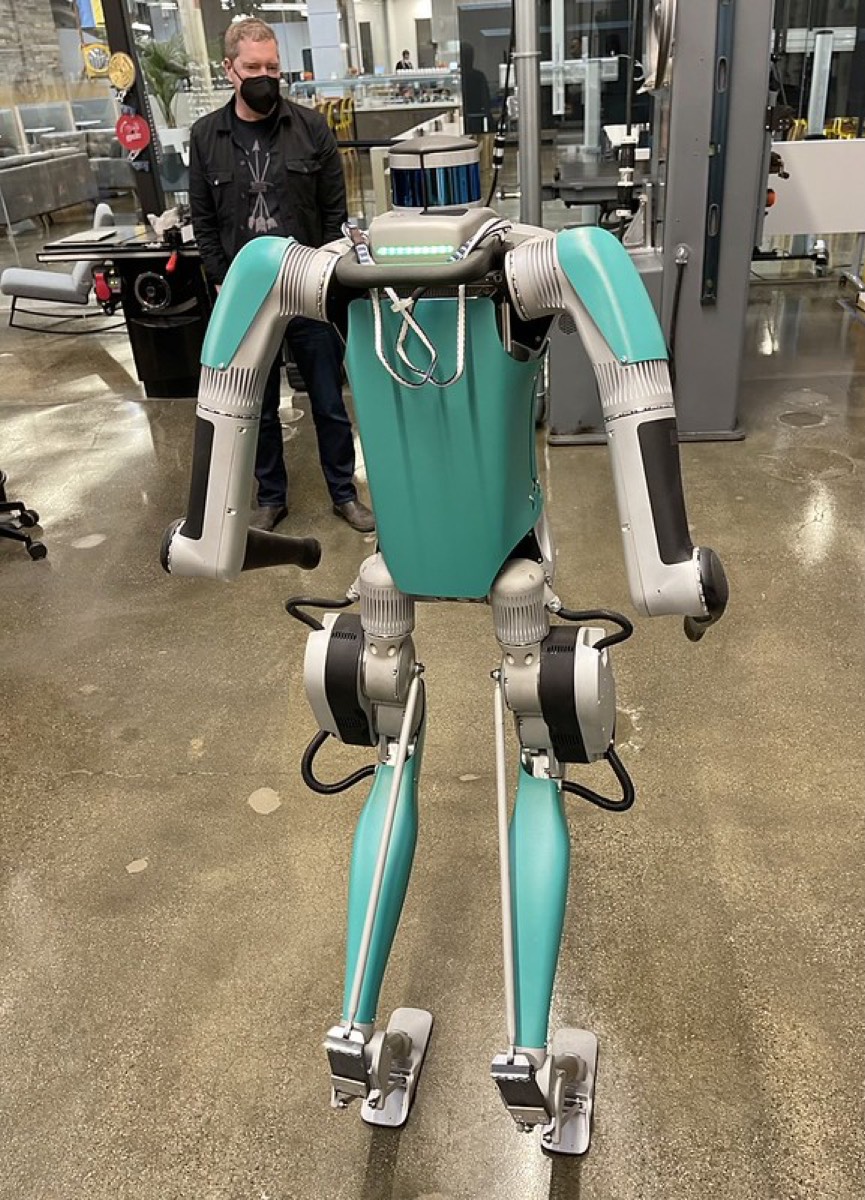
The humanoid with the longest real deployment record: Digit moves totes in live warehouses and is sold as a service rather than a machine.

Consumer quadruped
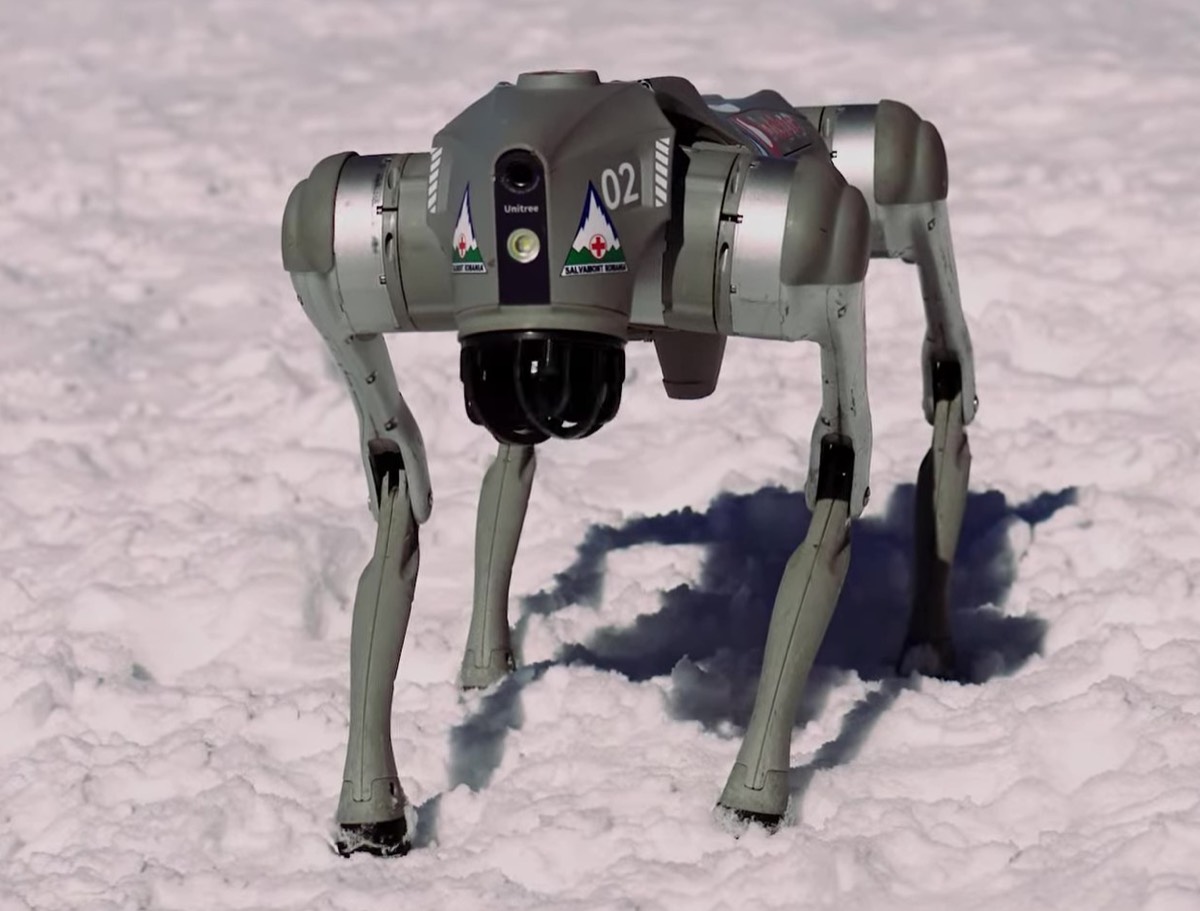
The quadruped that put a capable legged robot in reach of hobbyists: 15kg, LiDAR-equipped and priced from around $1,600.
Entry-level humanoid
The cheapest walking humanoid anyone can buy: 1.23m, 29kg and a $4,900 starting price that reset the bottom of the market.
Industrial humanoid
A 1.73m industrial humanoid with a 25kg payload and swappable batteries, built with NASA heritage and backed by Google and Mercedes-Benz pilots.

Performance humanoid
A 1.31m, 35kg performance humanoid built for dance, martial arts and stage work, checking out at $24,240 with no sales call.

Automaker humanoid
A 1.78m humanoid from an EV maker: solid-state battery, over 200 degrees of freedom and a 2026 target of 1,000+ units a month.

Expressive humanoid
The most humanlike face in robotics: 61 degrees of freedom, 27 of them in expression alone, bolted to a pedestal rather than walking.

Open-source research humanoid
A child-sized, fully open-source research humanoid: 104cm, 53 degrees of freedom, and more than 50 units built for labs worldwide since 2004.
Six of the 14 robots here come from US-headquartered makers. None of them are the cheapest way into a humanoid — that is Unitree, out of China — but they are the ones setting the pace on US factory floors, warehouses and, eventually, homes.
Austin, Texas
Working inside Tesla's own factories; no external sale.
Sunnyvale, California
Deployed with BMW and a logistics partner on its own Helix AI model.
Palo Alto, California / Norway
The only one here taking home pre-orders, at $20,000.
Austin, Texas
NASA Valkyrie heritage; Mercedes-Benz and Google DeepMind partners.
Corvallis, Oregon
The longest-running paid humanoid deployment, with GXO Logistics.
Waltham, Massachusetts
Piloted inside Hyundai's own US plant; still not for sale.
A robot being “available” can mean five very different things, and the difference decides whether you are placing an order or starting a months-long procurement conversation.
A listed price you can pay without talking to anyone. Unitree's whole line and AgiBot's X2 reach this bar. The price still excludes tax, shipping and customs, which on a full-size robot is not a rounding error.
Examples: Unitree R1, G1, H2, Go2, AgiBot X2
You pay a refundable deposit now and join a delivery queue. The published figure is real, but the ship date is a target, not a commitment.
Examples: 1X NEO
No price list. You apply or contact sales, and receive a quote covering hardware, software and often support and integration. Some of these bill monthly or per hour instead of selling you the unit outright — check which before you assume a number.
Examples: Figure 03, Agility Digit, Apptronik Apollo, Ameca
Not a product at all. The designs are published and a lab builds or commissions its own unit rather than buying one from a vendor, so there is no price to quote in the first place.
Examples: iCub
Widely covered, frequently demonstrated, impossible to obtain. Treat any price you see quoted for these as speculation about a future product.
Examples: Tesla Optimus, Boston Dynamics Atlas, XPeng Iron
The configuration behind the price. Headline prices are almost always the base unit. Hands, dexterous end effectors, developer joint access and higher-end compute are usually separate line items, and on Unitree's line the EDU editions that unlock low-level control are quote-only.
Landed cost, not list price. Tax, freight and customs on a 70kg robot crossing a border are substantial. Unitree quotes shipping separately at roughly $300-$1,200 even on its smallest humanoid.
Whether you can control the joints. Consumer editions typically expose a high-level SDK only. If your work involves locomotion or whole-body control research, you need the developer edition, and that changes the price bracket entirely.
Runtime against your actual shift. One to five hours per charge is the realistic range here. Continuous operation means budgeting for spare packs and the swap routine, not just the robot.
Export rules and who is allowed to buy. Several of these ship from China and are subject to export controls; several others are sold only to institutions and businesses. Confirm you are an eligible buyer before you plan around a delivery date.
The Unitree R1 Air at $4,900, followed by the standard R1 at $5,900. Both check out directly from Unitree's store. Shipping adds roughly $300-$1,200, and at 1.23m and 29kg the R1 is a learning platform rather than a robot that will do useful work around a house.
Only one is genuinely aimed at homes: the 1X NEO, at $20,000 outright or about $499 per month, and it is a queued pre-order rather than something that ships today. Unitree's robots can be delivered to a home address, but they are development platforms with no household skills.
Published prices run from $4,900 to about $30,000. Above that, pricing stops being public: enterprise humanoids like Figure 03, Apptronik Apollo and Agility Digit are quoted per contract, with reported figures ranging from a few thousand dollars a month on service contracts to $150,000-$250,000 to buy outright.
No. There is no order page, no deposit and no published price. Optimus units currently work inside Tesla's own facilities. Elon Musk has repeatedly targeted $20,000-$30,000 for an eventual consumer version, but that is a long-run goal for a high-volume product, not a price anyone has been quoted.
For raw whole-body dynamics, Boston Dynamics Atlas — but you cannot buy one. Among robots doing paid work, Agility Digit has the longest production record, and Figure 03 and Apptronik Apollo have the strongest AI stacks. Among robots you can actually order, the Unitree H2 is the most capable at $29,900.
The Unitree Go2 is the quadruped most people mean by "robot dog" and it checks out publicly from about $1,600 for the Air edition. It is the one machine in this directory you can buy at consumer-electronics prices. Boston Dynamics Spot is the enterprise equivalent and is quoted per deployment rather than listed.
The 14 robots here come from 11 makers: Unitree (G1, H2, R1, Go2) and AgiBot in China both sell direct at a listed price; Tesla, Figure AI, 1X Technologies, Boston Dynamics, Agility Robotics and Apptronik are the main US firms, and mostly sell enterprise contracts or nothing at all; XPeng Robotics is a Chinese automaker with a humanoid still in pre-production; Engineered Arts (UK) sells its expressive Ameca by quote; and the Italian Institute of Technology gives away iCub's designs rather than selling anything.
RaaS bills you for the robot's work rather than selling you the hardware — a monthly or hourly rate that bundles the unit, the AI stack, integration, maintenance and support. Agility Digit and Figure 03 are deployed this way. It shifts the robot from capital expenditure to an operating line item, which is why enterprise humanoids rarely have a sticker price.
One to five hours, depending on the robot and how hard it is working. Unitree's G1 quotes about two hours, Agility Digit runs roughly 90 minutes to four hours per pack, and every enterprise deployment plans around hot-swappable batteries rather than a single charge. Continuous operation means budgeting for spare packs and a swap routine.
Because they are not the same kind of product. Sub-$30,000 robots are development platforms sold as hardware. Enterprise humanoids are sold as an outcome — the robot plus the AI, integration, maintenance and support needed to make it do a job — and that bundle is what the contract prices, not the machine.
Prices and availability on this page were last verified on July 31, 2026. This market moves fast — always confirm on the manufacturer's own page before ordering.