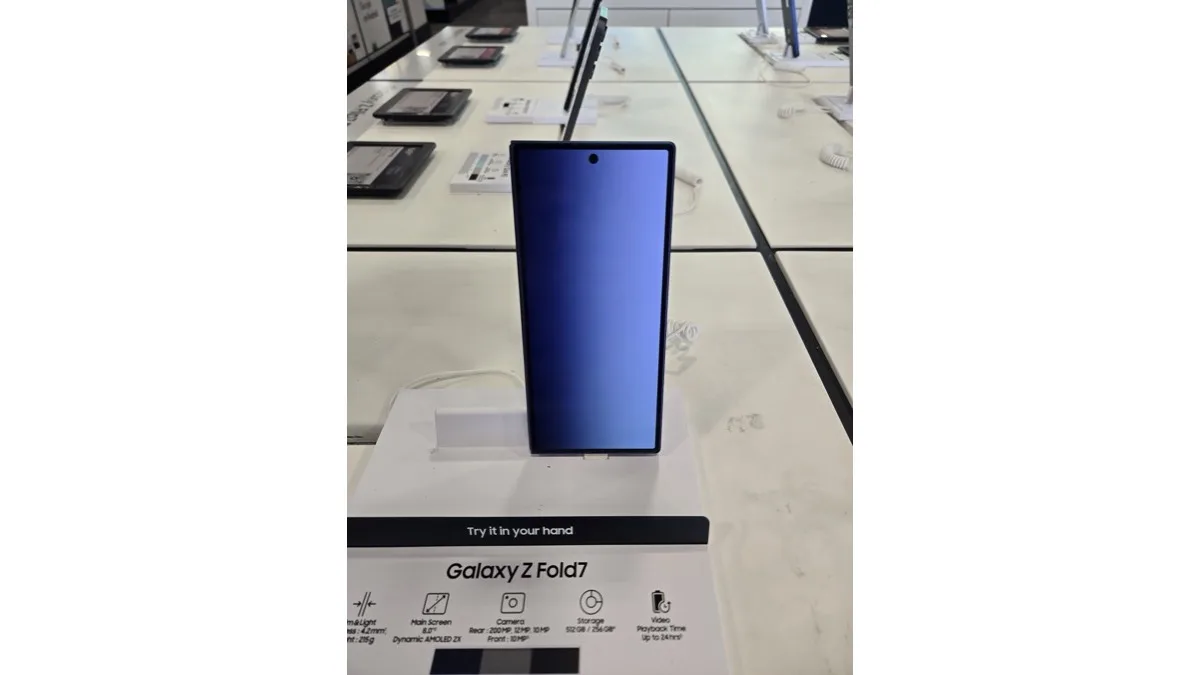
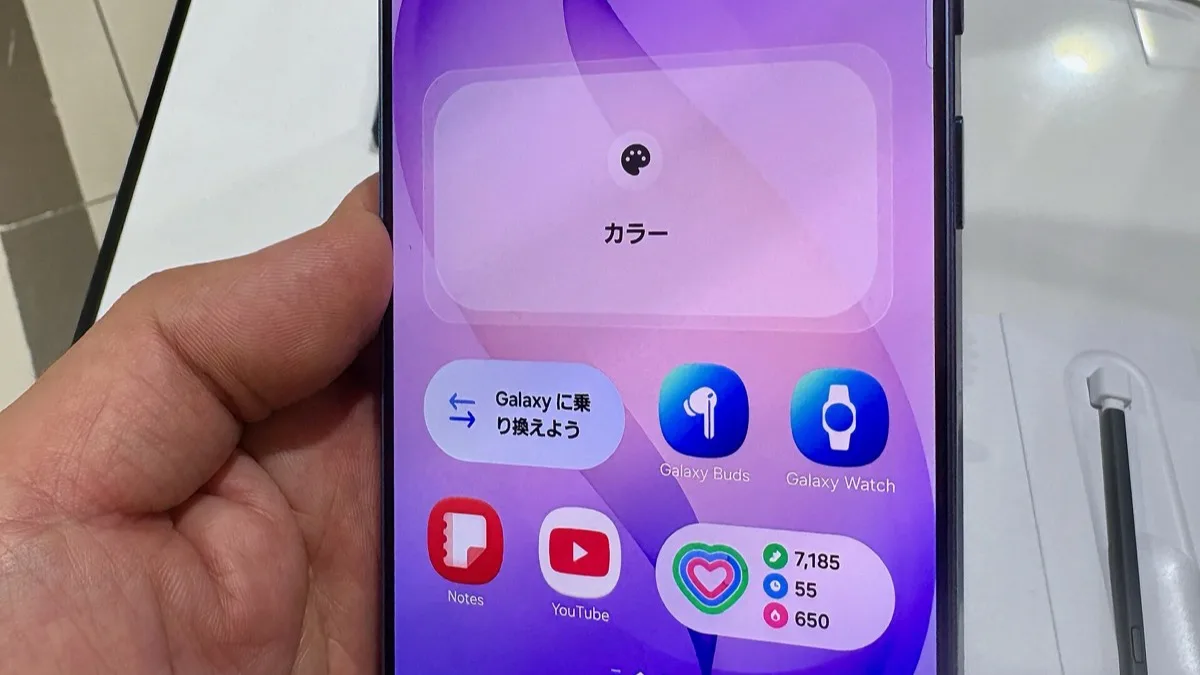
Samsung Says Galaxy Z Fold 8's Squishy Screen Corners Are Cushioning, Not a Defect
Samsung has told owners that the soft, sinking corners on the Galaxy Z Fold 8's inner display are a deliberate cushioning structure and not a manufacturing fault. The company issued the explanation in South Korea after a run of owner reports showing the outer corners of the folding panel dip under light finger pressure, and it says the behaviour has no effect on how the screen or the phone performs.
What owners are actually seeing
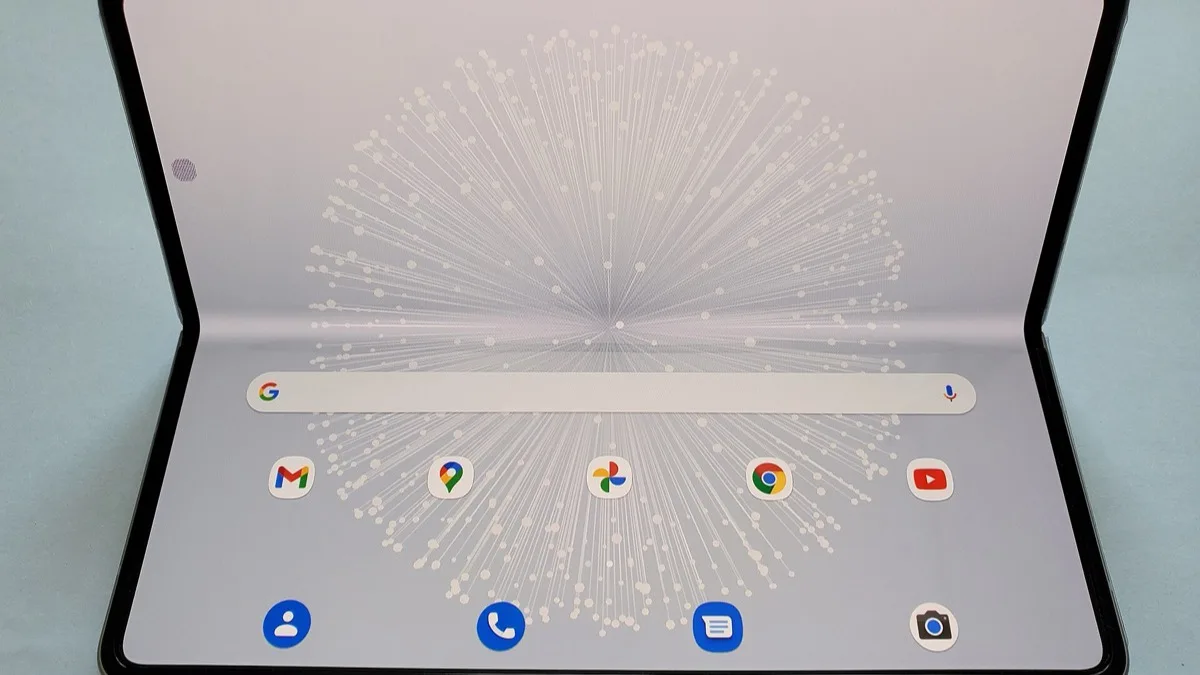
The reports describe the same thing across both models. Press a corner of the unfolded screen with a fingertip and it gives way slightly, then springs back. On some units the movement is obvious enough to feel like a gap under the panel; on others the corners feel as solid as the rest of the display. That inconsistency is what turned a curiosity into a worry, because uneven behaviour between units is usually what a manufacturing tolerance problem looks like.
Threads on owner forums and Samsung's own European community boards ran through the usual escalation: photographs, comparison videos, and people asking whether they should book a service appointment before their return window closed. A teardown circulated alongside them appeared to show padding rather than adhesive holding the panel down at the corners, which pointed towards intent rather than a flaw well before Samsung said anything.
Samsung's explanation
Samsung's statement is that the main display carries a cushioning structure applied to the outer corner areas for durability and protection. The company describes it as deliberate clearance that reduces the impact of interference or pressure between the display's internal components, so a knock at the corner is absorbed rather than transmitted straight into the folding stack.
The reasoning offered alongside it is more concrete. Corners are where grit collects. If a grain of sand works its way between the panel and the frame, a rigid corner would press it into the display layers every time the phone is closed. A corner that can sink gives that debris somewhere to go. Samsung says owners can keep using the phone normally, and that anyone who remains unhappy can take the device to an authorised service centre for a physical inspection rather than judging it by feel.
Which phones this covers
- Galaxy Z Fold 8 and Galaxy Z Fold 8 Ultra — both are named in Samsung's response.
- The behaviour applies to the inner folding display only, at its outer corners. The cover screen is a conventional rigid panel and is not part of this.
- The statement was issued in South Korea first. Samsung has not published a separate notice for other markets, so owners elsewhere are working from that explanation rather than a local one.
How to sanity-check your own unit
Open the phone flat and press each of the four corners of the inner screen with the pad of a finger, not a nail. A small amount of travel that returns immediately is what Samsung is describing. What is not normal, and is worth a service booking regardless of this statement, is a corner that stays depressed, a visible bright line or discolouration where you pressed, a change in touch response in that area, or any lifting you can see along the edge of the panel with the phone held at an angle to a light.
Two things the statement does not settle. It does not address water resistance, which several owners raised on the basis that a corner with give implies a gap, and it does not say whether the amount of travel is meant to be identical across every unit. Until Samsung addresses either directly, the honest answer is that the tolerance appears to vary and the company considers that range acceptable.
Context for a phone with a rough month
This lands on a device that has already had its durability scrutinised in public. A widely watched bend test saw a Z Fold 8 Ultra's screen fail, a first for Samsung's mainline foldables, and we covered how that test played out when it happened. Sales have not obviously suffered — the Fold 8 line set a Korean preorder record of 1.44 million units — but a large installed base is also why a corner that feels wrong generates this much noise.
For anyone still setting the phone up, the software side has been quieter and more rewarding: the Fold 8 picked up per-app screen zoom in One UI 9 Labs, which is the kind of foldable-specific tuning that makes the large panel worth having.
Frequently Asked Questions
Why do the corners of my Galaxy Z Fold 8 screen sink when I press them?
Samsung says a cushioning structure sits under the outer corners of the inner folding display. It is deliberate clearance meant to absorb pressure and impacts before they reach the display's internal layers. A small amount of give that springs straight back is expected behaviour, not damage.
Is the Galaxy Z Fold 8 corner flex a warranty issue?
Samsung has classified it as a design characteristic rather than a quality defect, so flex on its own is not grounds for a replacement. If a corner stays depressed, shows discolouration, or loses touch response, that is different and worth raising. Samsung's advice is to book a physical inspection at an authorised service centre if you are unsure.
Does the Galaxy Z Fold 8 Ultra have the same screen corner behaviour?
Yes. Samsung's response names both the Galaxy Z Fold 8 and the Galaxy Z Fold 8 Ultra. The cushioning is described the same way on both, and owner reports have come from users of each model.
Does the corner cushioning affect the Galaxy Z Fold 8's water resistance?
Samsung's statement does not mention water resistance at all. It addresses only durability against pressure and trapped debris, and says performance is unaffected. Until Samsung says otherwise, treat the phone's existing water-resistance rating as unchanged rather than assuming a corner with give means a gap.
How much give in the screen corner is normal on a Z Fold 8?
Samsung has not published a figure, and owner reports suggest the amount varies between units. The practical test is whether the corner returns to flat immediately after you lift your finger. Anything that stays sunken, marks the panel, or changes how touch registers should be inspected.