GrapheneOS Adds Razr Fold and Razr Ultra to Its 2027 Motorola Plans

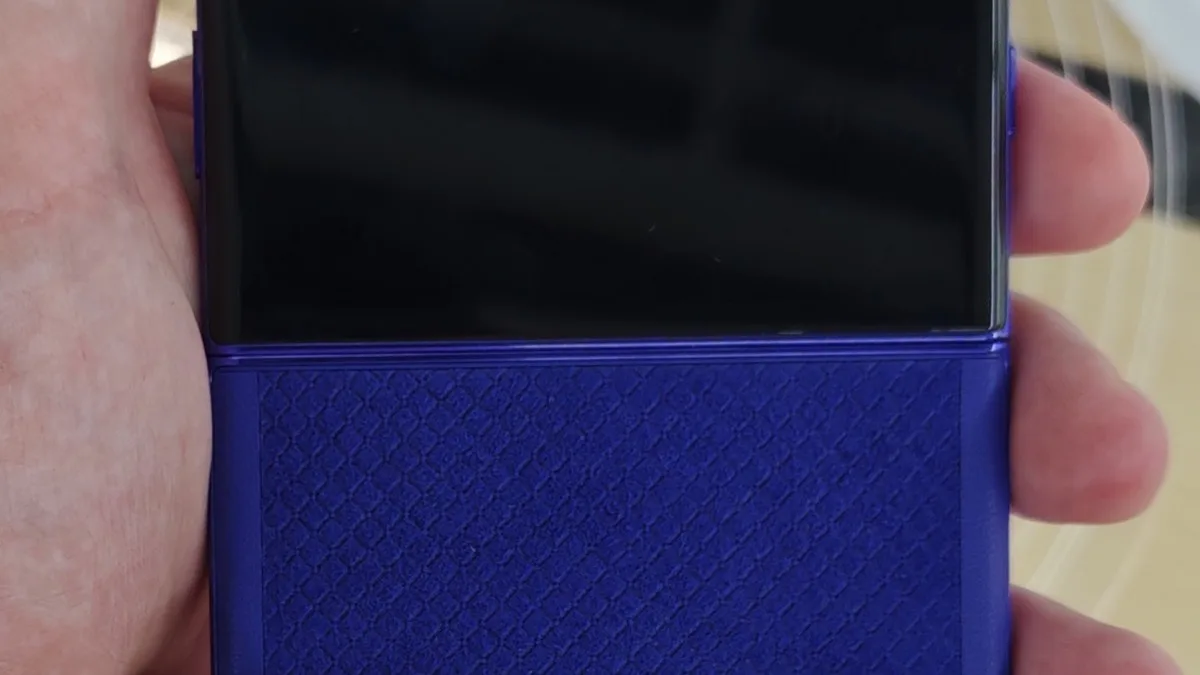
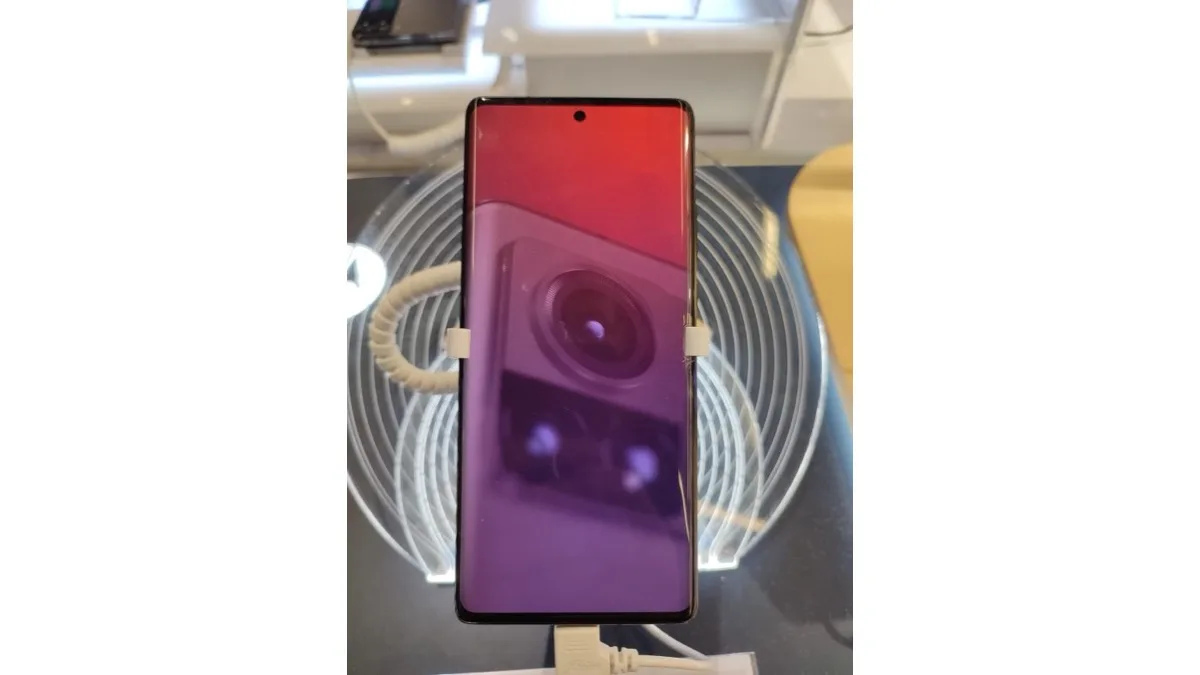
GrapheneOS confirmed it plans to support Motorola's Razr Fold and Razr Ultra clamshell foldables, extending a Motorola partnership it had previously described only as a flagship phone. The privacy-focused Android project also reaffirmed it will keep supporting Google's Pixel 11 generation, including the Pixel 11 Pro Fold, once the new Motorola hardware arrives in 2027.
The update, posted to GrapheneOS's official Mastodon account, is the most detailed picture yet of how the project intends to expand beyond Pixel, the only phone line it has run on since launch.
Why the current Razr models still don't qualify
GrapheneOS said Motorola's 2026 Razr Fold and Razr Ultra are close to meeting its requirements but fall short on two fronts: hardware memory tagging (MTE) and stronger secure element integration. Both are security features tied to next-generation Qualcomm Snapdragon silicon rather than something Motorola can add through software. That is why the project is pointing to 2027 models, expected to ship with a newer flagship Snapdragon chip, as the earliest realistic target.
The same requirement is why GrapheneOS started this partnership with Motorola's flagship tier instead of a broader lineup. Cheaper Snapdragon chips don't carry the same security hardware, and Motorola would need to commit to years of extra patch support that budget silicon doesn't typically get.
A 7-year update commitment enters the picture
Alongside the hardware requirements, Motorola's newer Signature-series phones carry a 7-year software update commitment, matching the kind of long-term support GrapheneOS has said it needs from a partner. Longer support windows on Motorola's less expensive phones would have to arrive before GrapheneOS would consider supporting anything below flagship tier, and the project gave no timeline for when, or if, that happens.
Pixel isn't going away
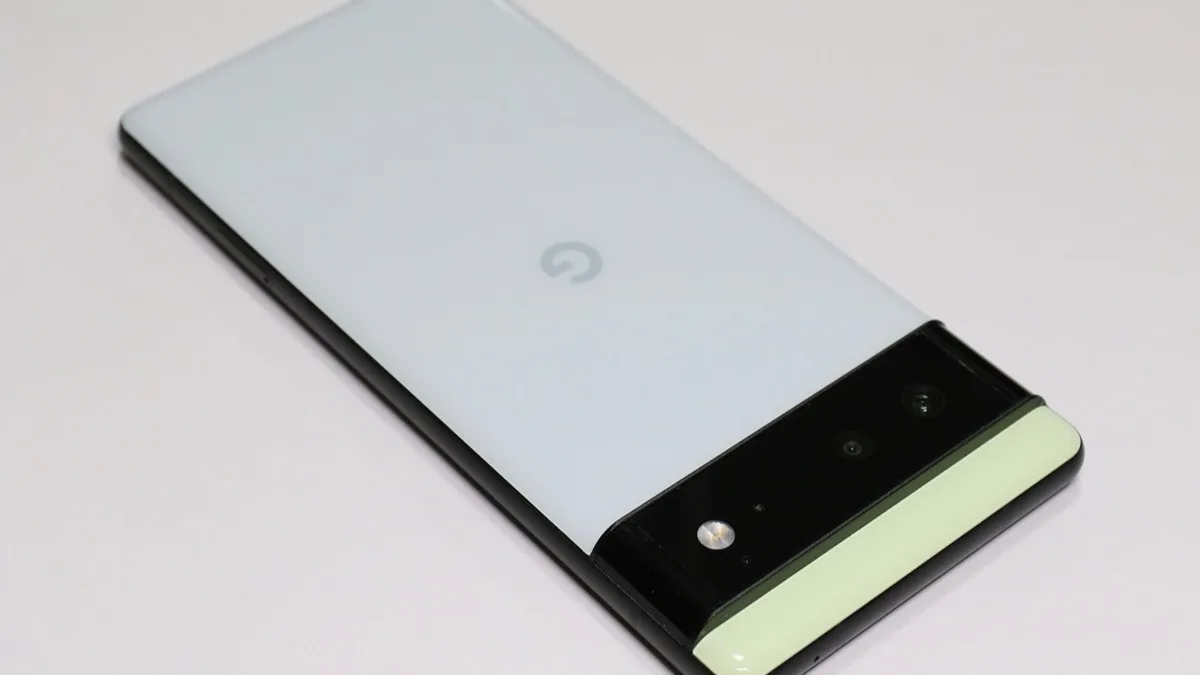
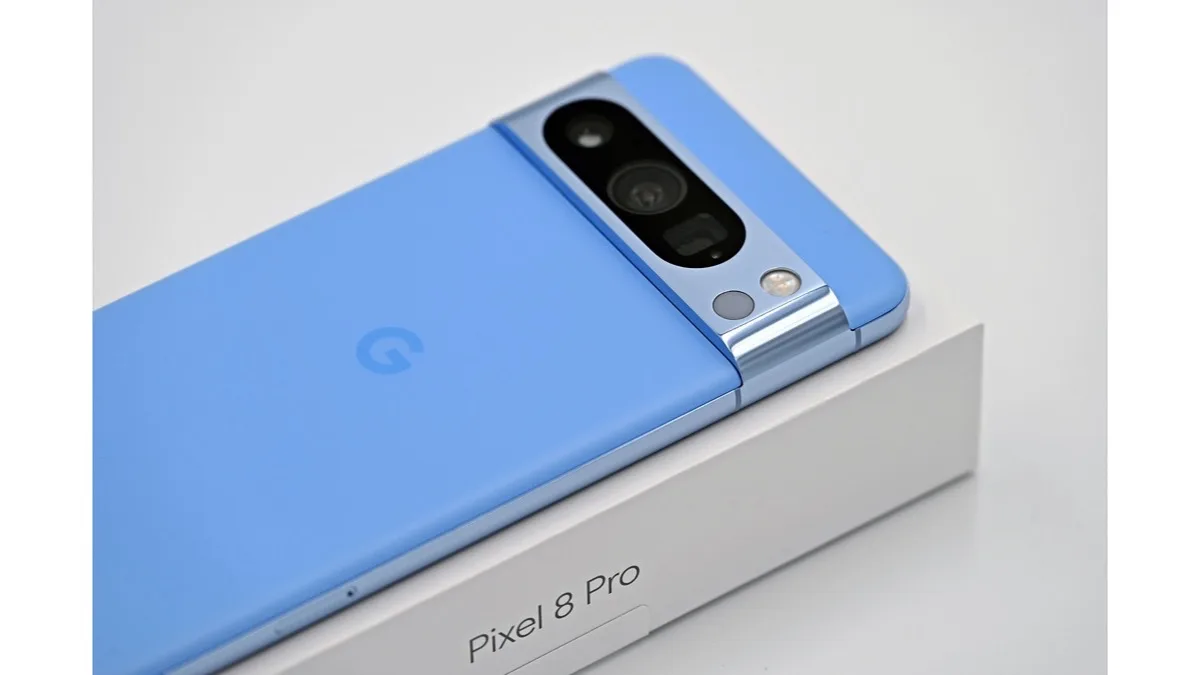
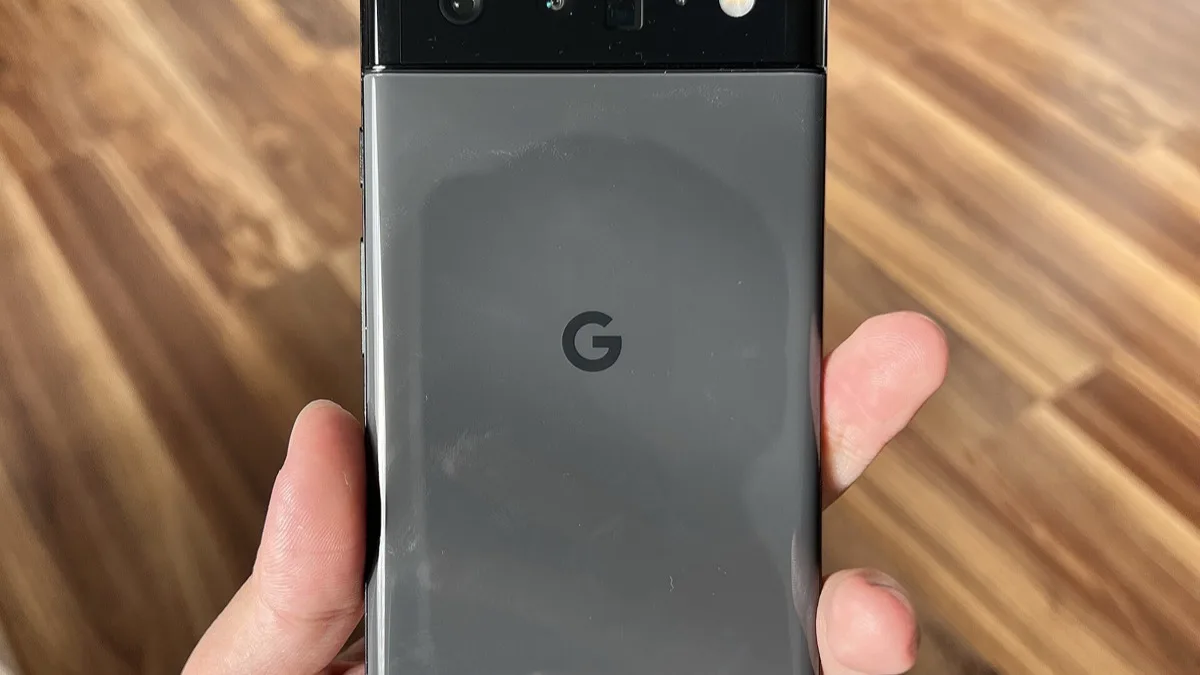
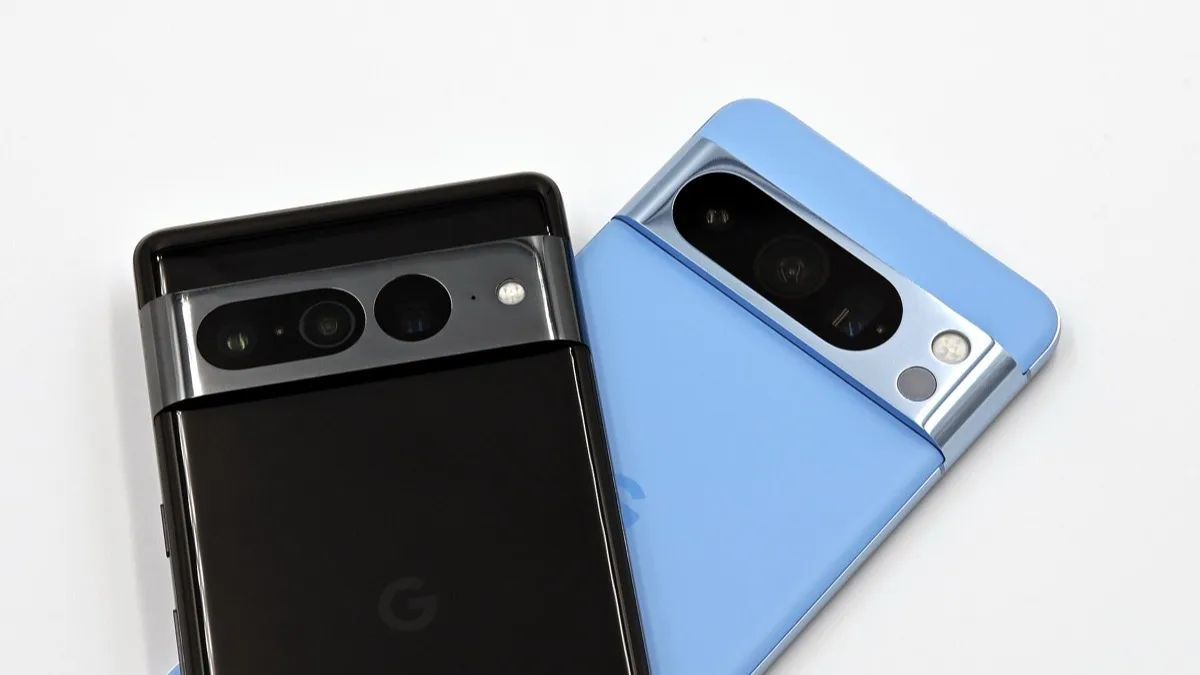
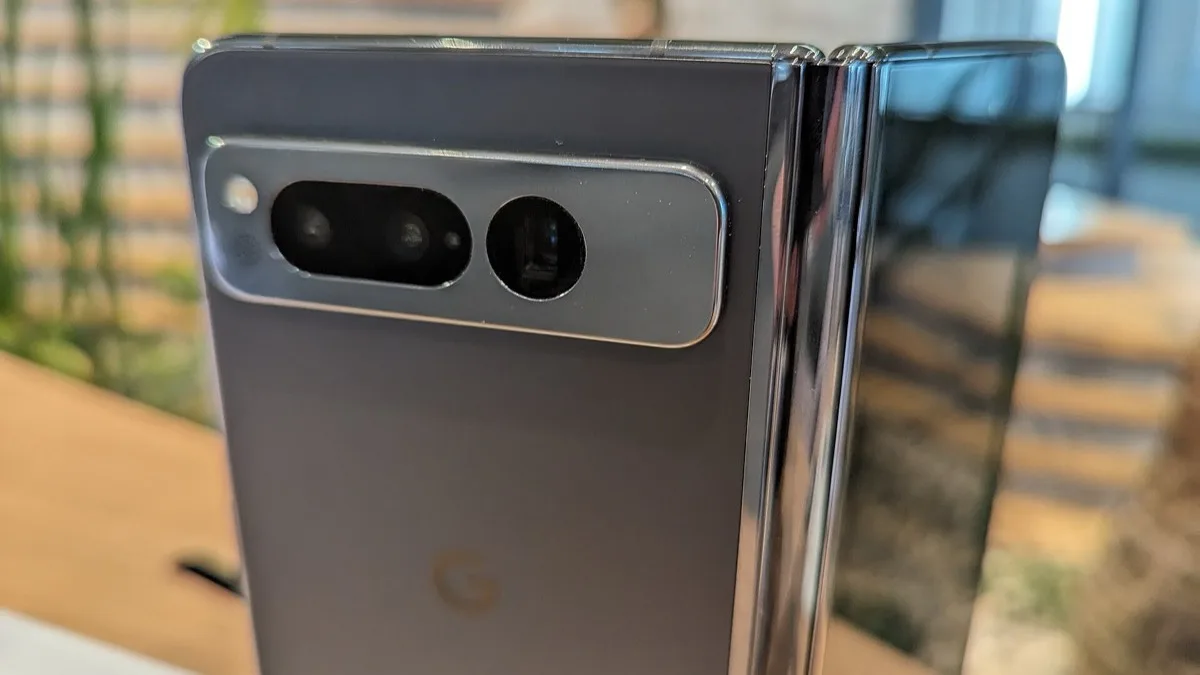
GrapheneOS was explicit that adding Motorola doesn't mean dropping Google's hardware. The project said it still plans to support the Pixel 11 generation, including the Pixel 11 Pro Fold, adding to existing compatibility with the original Pixel Fold, the Pixel 9 Pro Fold, and the Pixel 10 Pro Fold. For now, Pixel remains the only phone line GrapheneOS actually ships on; Motorola is a 2027 plan, not a current option.
The project has previously pointed to a practical reason Motorola support is worth pursuing at all: newer Pixel hardware has made it harder for third-party Android projects to get working firmware and drivers, something GrapheneOS said Motorola's approach could ease. That trade-off is a large part of why a second phone maker matters to the project beyond simple hardware variety.
What's still unconfirmed
- No exact model name or price has been announced for the first Motorola phones with GrapheneOS support.
- There is no confirmed release month in 2027, only that current-generation Razr and Signature phones are described as a preview of the hardware GrapheneOS is targeting, not devices that will themselves receive support.
- Whether a cheaper Motorola option ever gets GrapheneOS support depends on Qualcomm extending its security features further down the chip stack, which GrapheneOS said it cannot predict.
For anyone weighing a Motorola foldable against Google's own lineup, the near-term picture hasn't changed: GrapheneOS on Motorola remains a 2027 plan, while Pixel 11 hardware is already shipping with support today.
Related reading
Frequently Asked Questions
Will GrapheneOS run on the Motorola Razr Fold or Razr Ultra?
Not the current 2026 models. GrapheneOS says those phones are close to meeting its hardware requirements but lack memory tagging (MTE) and stronger secure element support. It is targeting 2027 Motorola foldables, expected to use newer Snapdragon chips that add those features.
Is GrapheneOS dropping Pixel support for Motorola?
No. GrapheneOS says it still plans to support the Pixel 11 generation, including the Pixel 11 Pro Fold, alongside its existing Pixel Fold, Pixel 9 Pro Fold, and Pixel 10 Pro Fold compatibility. Pixel remains the only hardware GrapheneOS currently ships on.
Why does GrapheneOS need hardware memory tagging?
Memory tagging extension (MTE) is a chip-level security feature that helps catch memory corruption bugs, a common source of exploits. GrapheneOS treats it as a requirement for any device it supports, which is why phones without it, including current Razr models, don't yet qualify.
How long will Motorola support its GrapheneOS-eligible phones?
Motorola's newer Signature-series phones carry a 7-year software update commitment. GrapheneOS has pointed to that kind of long-term support as a requirement before it will consider phones outside Motorola's flagship tier.
When can I actually buy a Motorola phone with GrapheneOS?
There's no exact date yet. GrapheneOS has only said 2027, without a specific model name, price, or release month. Current Razr and Signature phones are described as a preview of the target hardware, not devices that will themselves get support.