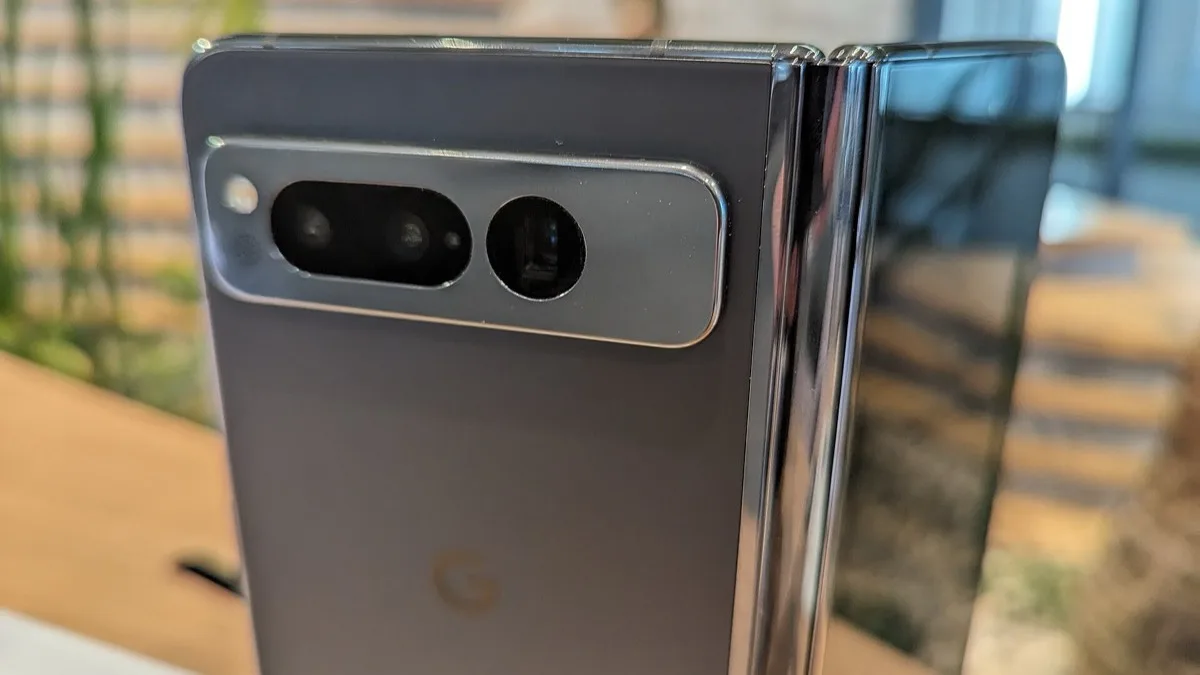
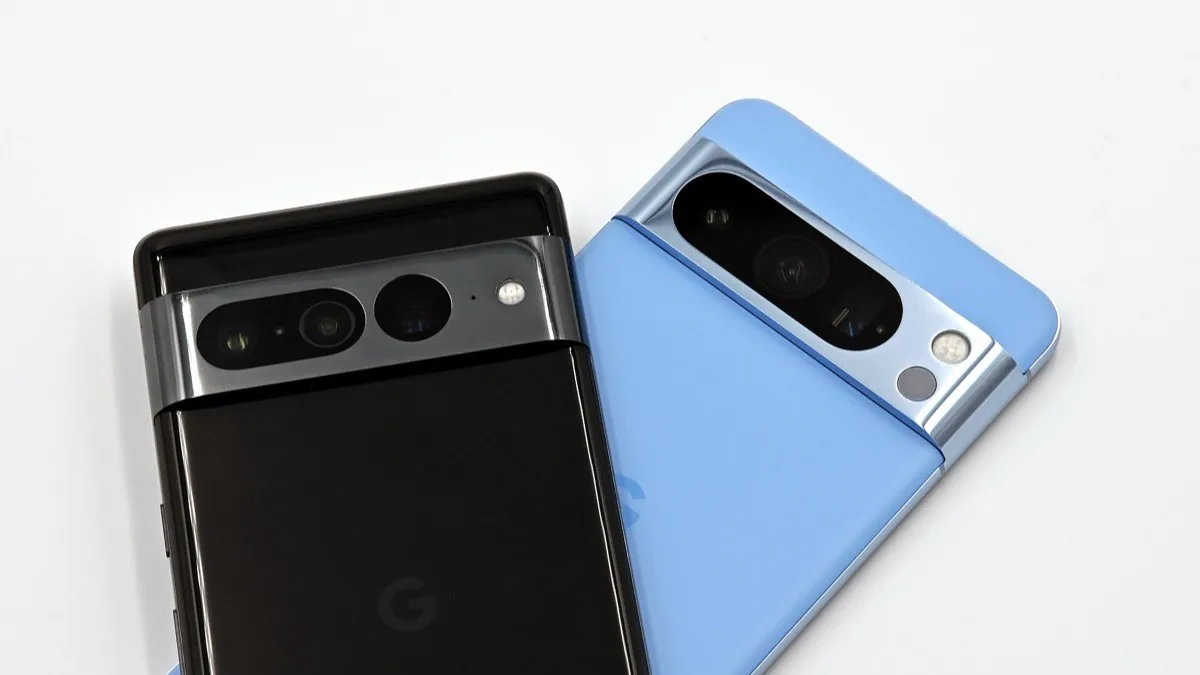
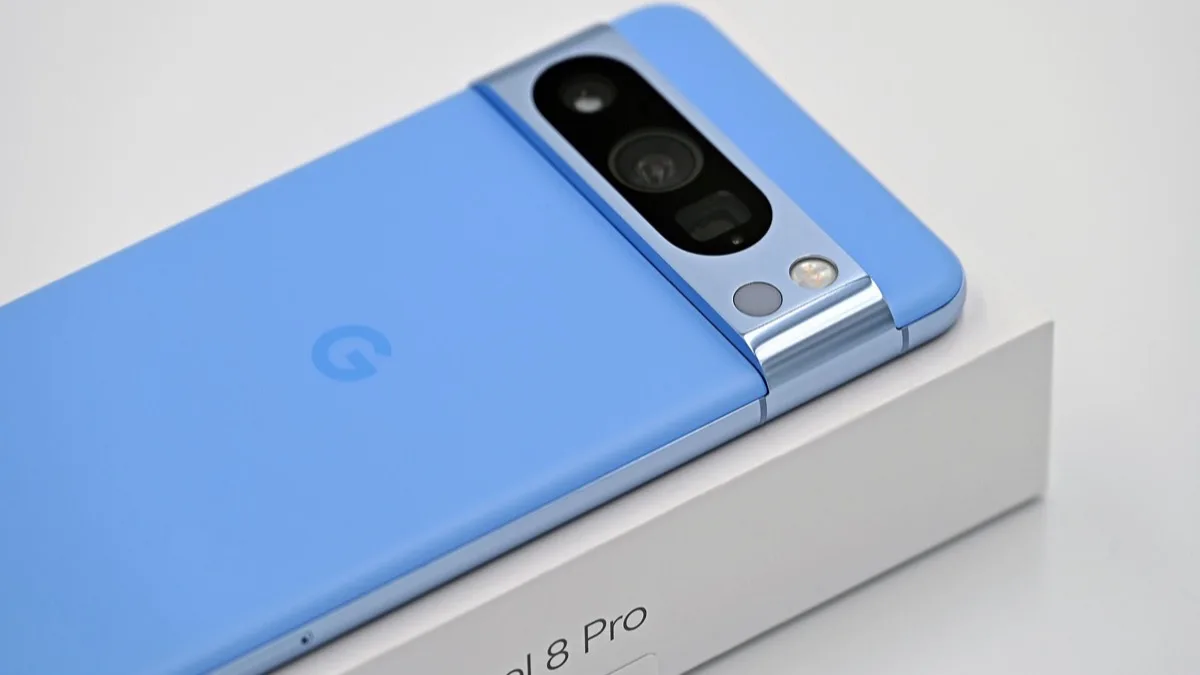
Google Pixel Production Leaving China in 2027: What Has Changed Since the Pixel 11 Launch

Google has told its suppliers it will stop manufacturing Pixel phones, watches, and earbuds in China, and will make all of them outside China starting in 2027. Supply-chain reports first surfaced the plan in mid-August 2026. If Google completes it, it will be only the second major global phone brand, after Samsung, to fully move smartphone production out of China.
Update (September 2026): what has changed since
Five weeks on, the plan itself has not changed. Here is what is new:
- Google still has not confirmed it. Google has made no public announcement about the China exit and has not commented on the reports. Everything about the 2027 timeline still comes from supplier sources.
- The Pixel 11 is on sale, and it costs more. Google announced the Pixel 11 lineup on August 12 and it went on sale in the US on August 20: $899 for the Pixel 11, $1,099 for the Pixel 11 Pro, $1,299 for the Pro XL and $1,899 for the Pro Fold, each $100 more than the Pixel 10. Google has blamed the increase on memory costs. It has not linked the prices to tariffs or to the production move. The full breakdown is in our Pixel 11 price increase explainer.
- The Pixel 11 is the Vietnam test case. Supply-chain reports say the Pixel 11 series was developed and produced entirely in Vietnam, and that this is what gave Google the confidence to set the 2027 exit. Google has not published where the Pixel 11 is assembled.
- India is starting from a small base. Counterpoint Research estimates that in 2025, 63% of Pixel phones were made in Vietnam, 34% in China and only 3% in India. Moving the China share mostly means more Vietnam output, while India lines scale up through Google's reported partners there, Dixon Technologies (working with Compal) and Foxconn.
Where production is heading instead
Vietnam and India are absorbing the work. Google has already been building high-end Pixel hardware in Vietnam through 2026, leaning on the smartphone supply chain that Samsung spent years establishing there. Smartwatches and earbuds are considered simpler to shift than phones, so those product lines are expected to move first, with phone assembly following as the Vietnamese and Indian lines mature.
The reporting frames this as a diversification move tied to ongoing US-China trade tensions, not a China-specific product decision. Google does not officially sell Pixel devices in China and has a negligible userbase there, which removes a complication that rivals with real Chinese sales, like Apple, do not have when they consider similar moves.
Why now, and what it costs
The relocation lands as Google is also trying to grow the Pixel line rather than just protect it. Reports point to an expected 8 to 10 percent increase in Pixel shipments for 2026, building on roughly 12 million units shipped in 2025. To manage rising component costs, Google is reportedly bundling its phone memory chip orders together with its cloud computing chip purchases, using the combined volume to negotiate better pricing from memory suppliers.
That cost pressure is not new context for Pixel owners. Google has already confirmed a Pixel 11 price increase tied to spiking RAM costs, and the company recently swapped the Pixel 11's modem supplier from Samsung to MediaTek. Both moves point the same direction: Google is restructuring its hardware supply chain on several fronts at once, not just shuffling factories.
What actually changes for buyers
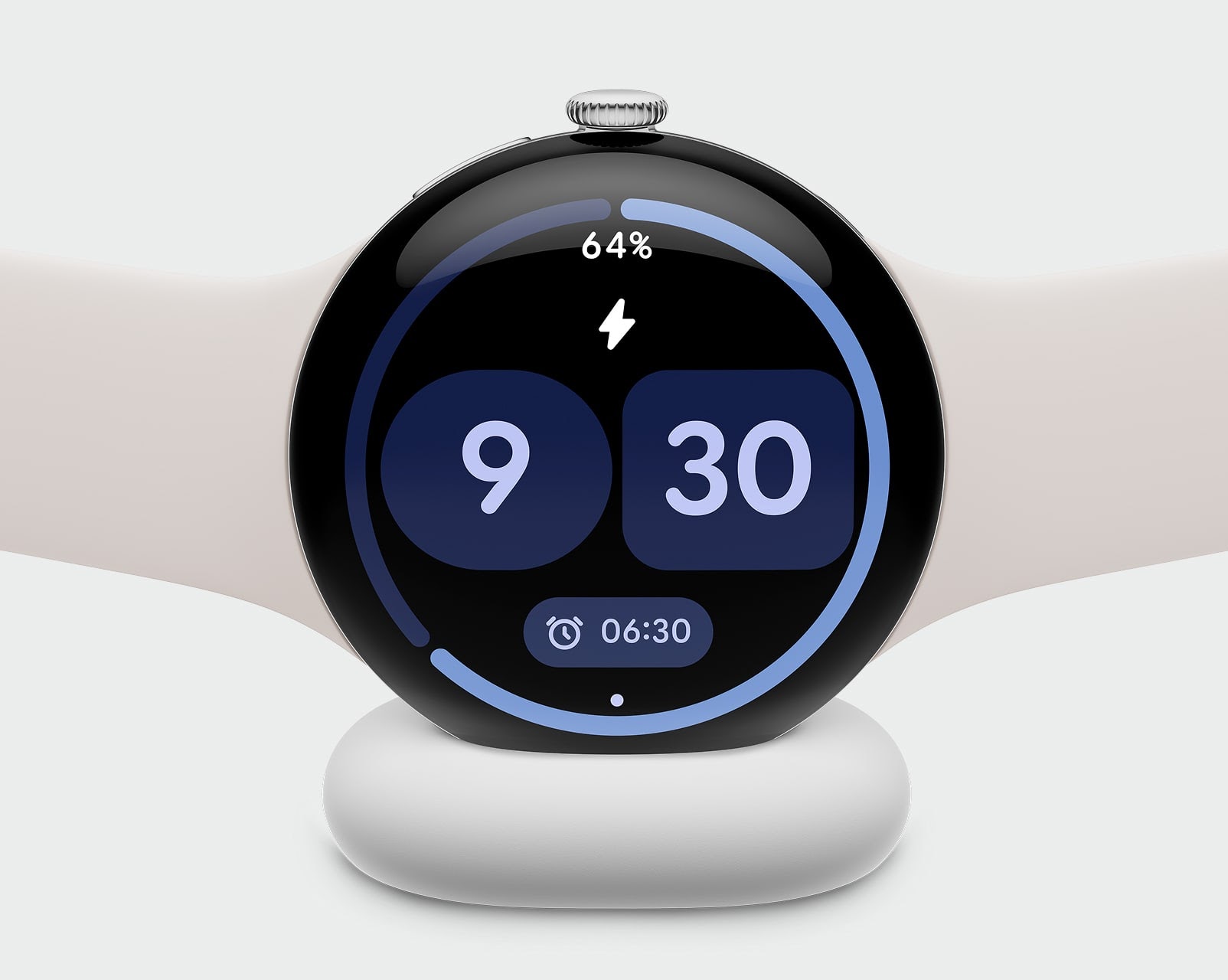
Nothing immediately. The Pixel 11 series, Pixel Watch 5, and Pixel Tag, on shelves since August 20, were built under the current supply chain. The 2027 timeline means the shift plays out over roughly the next year, not overnight, so a Pixel bought today will not suddenly come from a different factory.
The longer-term effect is on where future Pixels come from. A device built in Vietnam or India instead of China does not change what shows up on the spec sheet, but it can affect production capacity, shipping timelines around launch, and how exposed Google is to any future China-specific tariffs or export restrictions. Samsung's earlier exit from Chinese manufacturing is the closest precedent, and it did not disrupt Galaxy availability once the transition settled.
- Timeline: all Pixel production outside China starting in 2027.
- New locations: Vietnam and India, both already producing Pixel hardware (63% and 3% of 2025 Pixel phone output, per Counterpoint Research).
- Products covered: Pixel phones, smartwatches, and wireless earbuds.
- Stated driver: supply chain diversification amid US-China trade tensions.
As of September 24, 2026, Google still has not issued a public statement confirming the details, so the specifics could shift as the relocation proceeds. The plan is consistent across every report so far, and it fits what Google has already done this year with its modem supplier and its pricing.
Frequently Asked Questions
Is Google moving all Pixel production out of China?
Reports say Google has told suppliers it will make all Pixel phones, smartwatches and wireless earbuds outside China starting in 2027. As of September 24, 2026, Google has not publicly confirmed the plan or commented on the reports.
Where will Pixel phones be made instead?
Mostly Vietnam, with India growing. Counterpoint Research estimates that in 2025, 63% of Pixel phones were made in Vietnam, 34% in China and 3% in India. Supply-chain reports say the Pixel 11 series was developed and produced entirely in Vietnam. India production runs through partners reported as Dixon Technologies (with Compal) and Foxconn.
Why is Google moving Pixel production out of China?
Reports cite supply chain diversification amid ongoing US-China trade tensions. Google does not officially sell Pixel devices in China and has a very small userbase there, which makes the move less complicated than it would be for a brand with real Chinese sales to protect.
Will this change Pixel prices or availability?
Not directly so far. The Pixel 11 lineup did launch $100 higher than the Pixel 10, at $899, $1,099, $1,299 and $1,899, but Google blamed memory costs, not the factory move or tariffs. The 2027 shift happens gradually, so any effect on pricing or launch-day availability would show up over the next year.
Has any other phone maker done this?
Samsung already fully relocated its smartphone manufacturing away from China in past years. If Google completes this shift, it would become the second major global phone brand to do so.