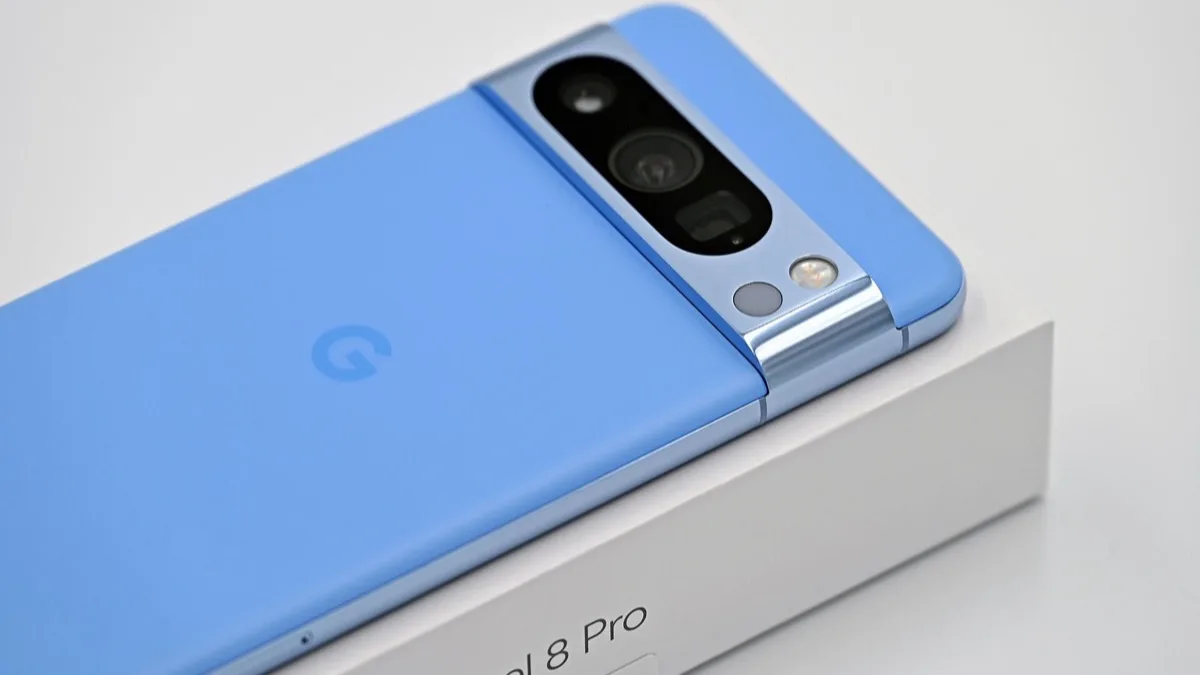
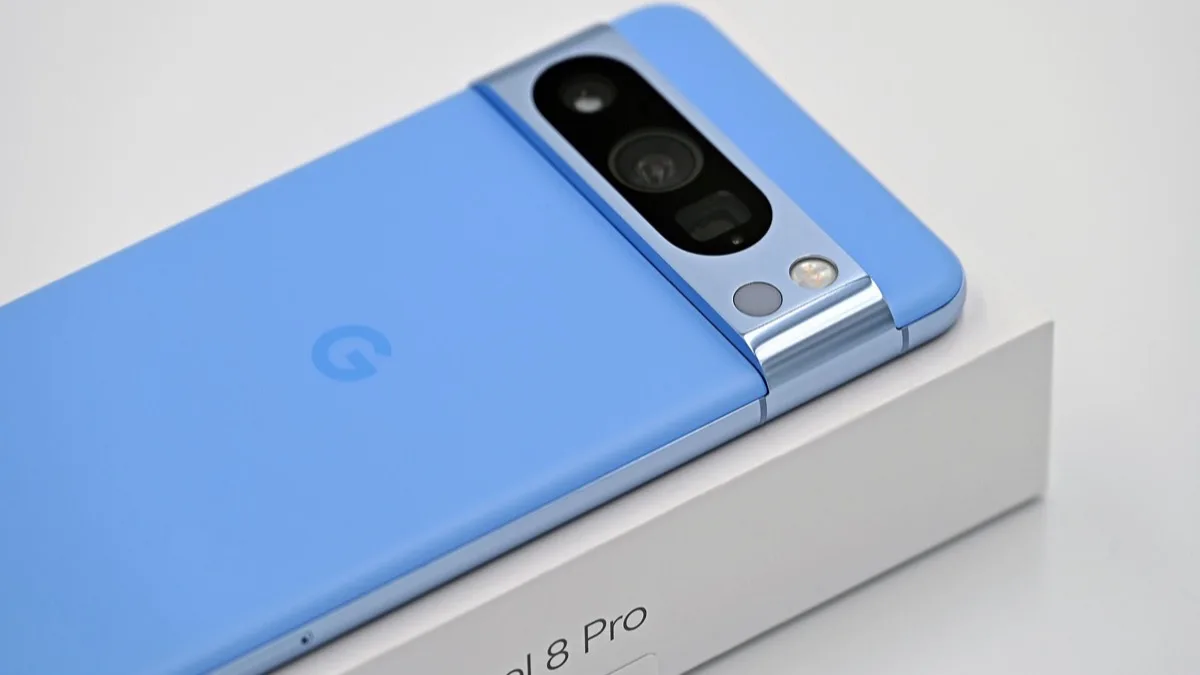
GrapheneOS Won't Support Pixel 11: Google Dropped a Key Security Chip Feature
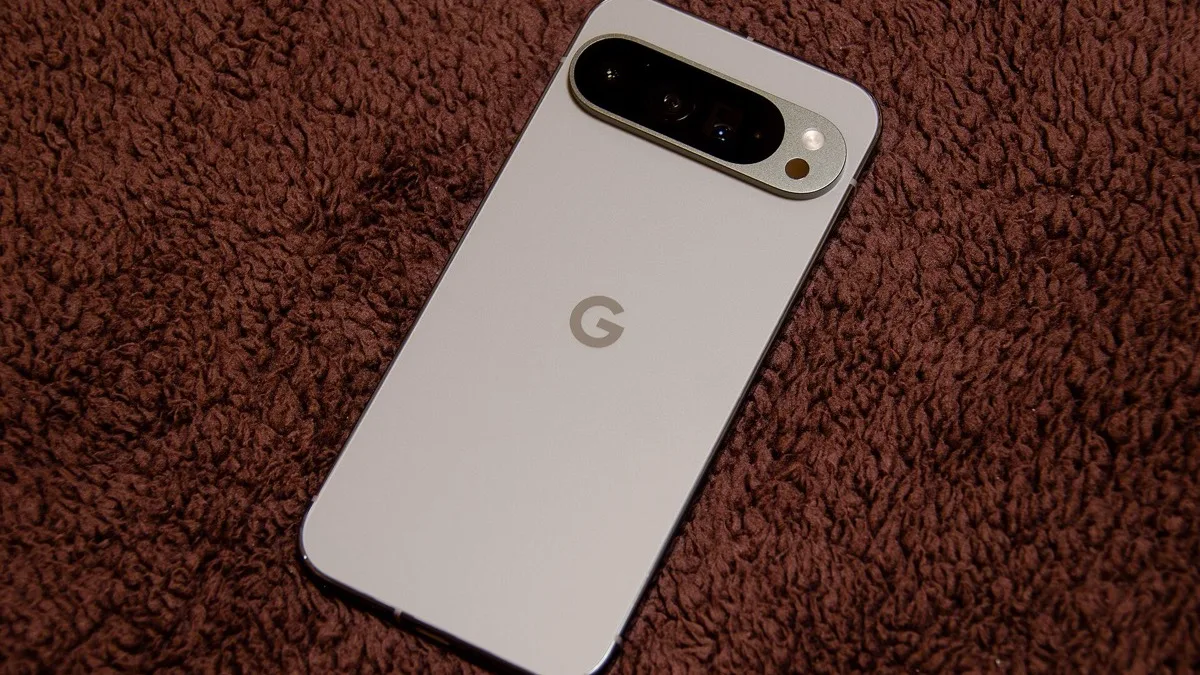
GrapheneOS says it cannot finish building its privacy-focused Android fork for the Pixel 11 series because Google removed a hardware security feature the project depends on. In a public post this week, the GrapheneOS team confirmed that after a week spent porting its software to the new phones, it hit a wall: the Pixel 11's chip no longer supports ARM's Memory Tagging Extension, or MTE.
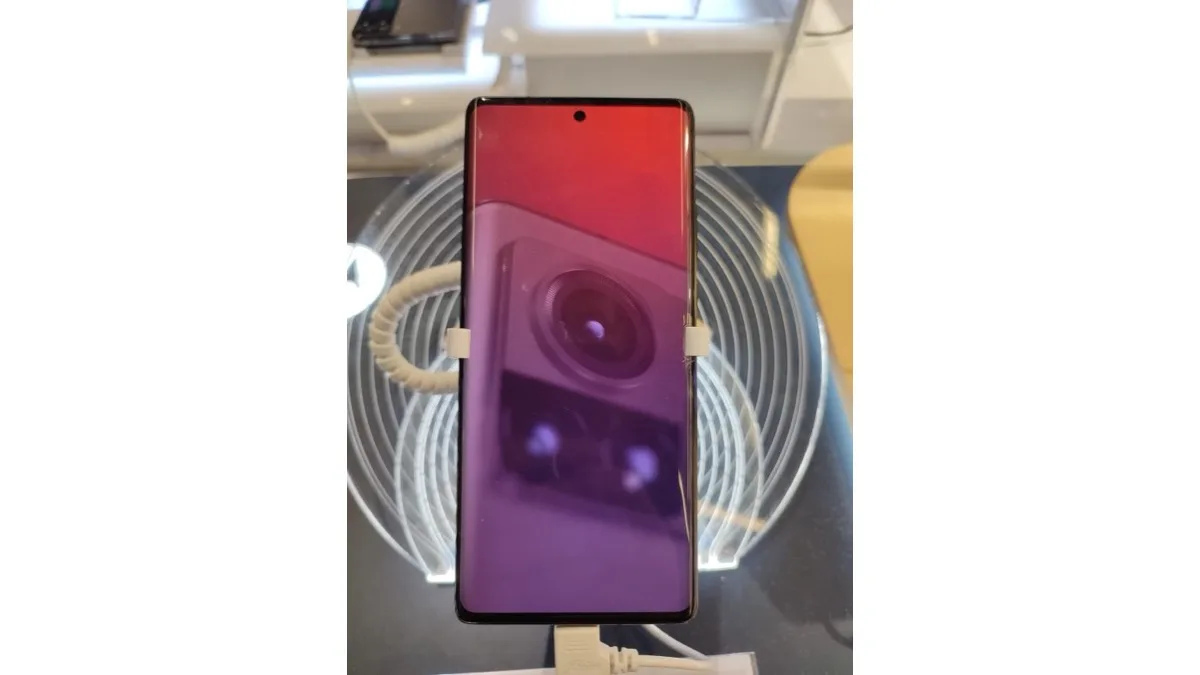
The team's advice to anyone weighing a Pixel 11 purchase is blunt. It is telling users it "strongly recommends against buying" the new lineup and may skip supporting the Pixel 11 series entirely, shifting its attention to upcoming Motorola hardware instead.
What MTE does, and why it mattered on Pixel
MTE is a chip-level feature that tags every piece of memory an app uses with a small marker, then checks that marker on every access. If software tries to read or write memory using the wrong tag, the chip blocks it instead of letting a bug quietly corrupt data. That class of bug, known as a memory-safety flaw, is the single biggest source of serious security holes in Android: Google's own data puts memory-safety issues behind well over half of the platform's high-severity vulnerabilities.
Google was the first phone maker to ship MTE in a consumer device, adding it to the Pixel 8 in 2023. Every Pixel since, through the Pixel 10 series, has carried it forward. GrapheneOS treats MTE as a baseline requirement, not an optional extra, because its hardened build of Android relies on it running across the entire operating system rather than in a handful of apps.
All four Pixel 11 models are affected
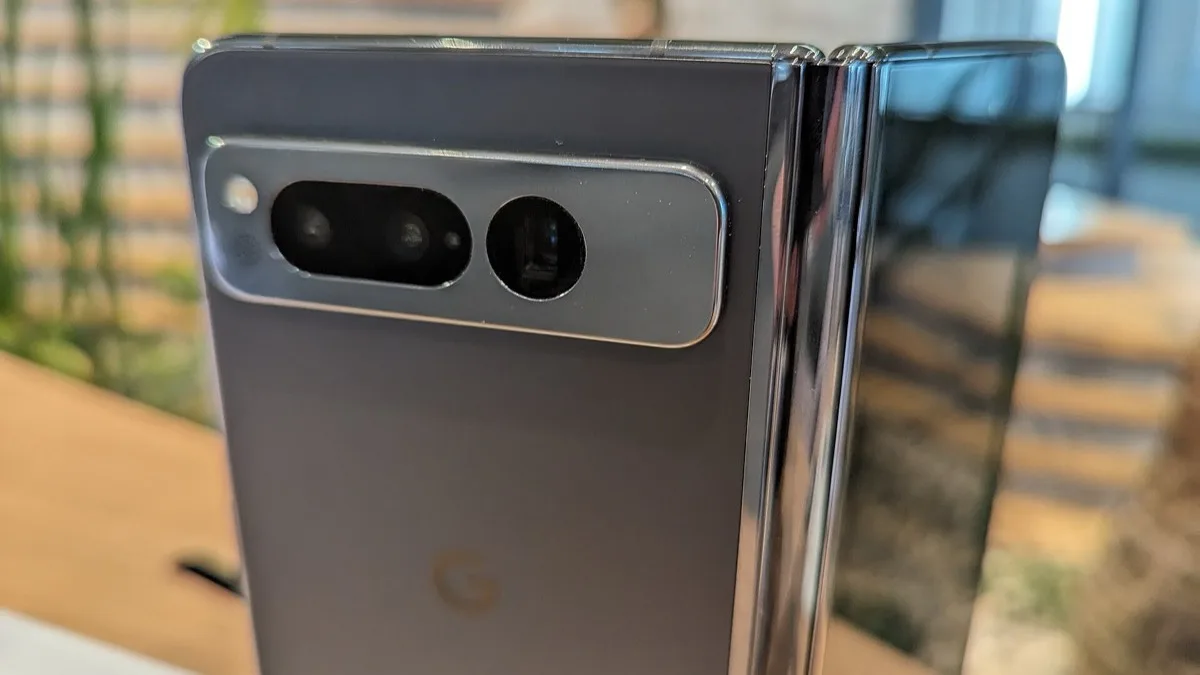
The gap covers the whole lineup Google launched this year: the standard Pixel 11, Pixel 11 Pro, Pixel 11 Pro XL, and the Pixel 11 Pro Fold. None of them carry working MTE support, according to GrapheneOS, which said the omission is almost certainly baked into the phones' hardware and firmware rather than something Google can patch back in with a software update.
GrapheneOS was pointed in its framing of why the feature disappeared, saying Google "cut an important security feature to save money." Google has not issued a public statement addressing the claim, and outlets that pressed the company for comment reported no response by the time of publication.
What still works, and what does not
The Pixel 11's Titan M3 security chip is reportedly improved over prior generations and should still help protect a locked, powered-off phone from attacks that don't rely on the passphrase being weak. But GrapheneOS says that gain does not offset what is lost: with MTE gone, the phone's resistance to memory-corruption exploits while it's unlocked and in active use is significantly weaker than on a Pixel 8, 9, or 10 running the same software.
- Pixel 8, 9, and 10 series — full MTE support, GrapheneOS's current recommendation for anyone prioritizing hardened security.
- Pixel 11 series (all four models) — no working MTE, partial GrapheneOS port only, official build uncertain.
- Stock Android on Pixel 11 — unaffected day to day, since Google's own software doesn't require MTE to function, but it loses a layer of exploit mitigation regardless of which OS is installed.
That last point matters even for people who have never heard of GrapheneOS: the missing hardware protection applies to every Pixel 11 owner, not just custom-ROM users, since it's a property of the chip rather than the software layered on top of it.
A reversal from where things stood weeks ago
This is a change in direction from GrapheneOS's own recent statements. As recently as late August, the project was still discussing continuing Pixel 11 Pro Fold support alongside its newly announced plans to bring hardened builds to Motorola's flagship phones starting in 2027. The MTE gap now puts that Pixel 11 support in doubt, and GrapheneOS says its post-Pixel future may lean on Motorola sooner and more heavily than originally planned.
What Pixel 11 buyers should do now
If hardware-level memory safety is a priority — for example, if you were specifically buying a Pixel to run GrapheneOS — the current advice is to buy a Pixel 8, 9, or 10 instead, all of which remain fully supported and keep MTE intact. If you already own a Pixel 11, there's no fix available: this is a chip-level omission, and no software update will restore hardware tag checking that isn't there. Google's standard Android security patches, Play Protect, and the Titan M3 chip continue to work normally regardless.
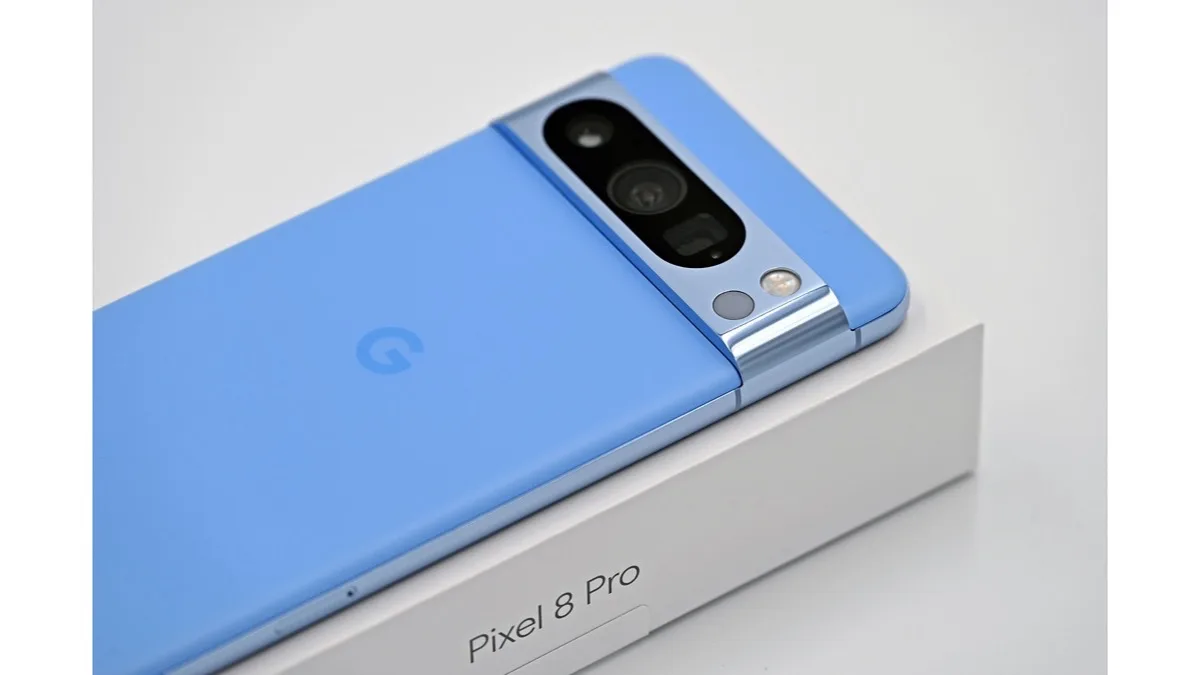
Whether GrapheneOS ultimately ships any build for the Pixel 11 series remains open. The team says it has not made a final call and is continuing to evaluate its options, including the possibility of Google reversing course on future Pixel hardware.
Frequently Asked Questions
Why won't GrapheneOS support the Pixel 11?
GrapheneOS says Google removed ARM's Memory Tagging Extension (MTE) from the Pixel 11's chip, a hardware security feature GrapheneOS requires across its entire operating system. After a week of porting work, the team could only produce a partial build and says it may skip the Pixel 11 series entirely.
What is MTE and why does it matter?
Memory Tagging Extension is a chip feature that tags memory locations and blocks software from accessing memory with the wrong tag, stopping a class of bugs called memory-safety vulnerabilities. Google's own data attributes the majority of Android's high-severity security flaws to this bug category, which is why hardware-level protection against it matters.
Which Pixel 11 models lack MTE support?
All four: the Pixel 11, Pixel 11 Pro, Pixel 11 Pro XL, and Pixel 11 Pro Fold. GrapheneOS says the missing support is tied to the hardware and firmware, not something a software update can restore.
Does this affect people running stock Android on a Pixel 11, not just GrapheneOS?
Yes. The missing MTE support is a property of the phone's chip, so every Pixel 11 owner loses that layer of exploit protection regardless of which operating system they run. Stock Android does not require MTE to function normally, but it does lose the extra hardening that Pixel 8, 9, and 10 owners have.
Which Pixel should I buy if I want GrapheneOS with full security support?
GrapheneOS currently recommends the Pixel 8, Pixel 9, or Pixel 10 series, all of which retain full MTE support. It says its focus may increasingly shift to Motorola's upcoming flagship and foldable phones starting in 2027.