Xbox Cloud Gaming Cap Exemption: Existing Game Pass Members Spared in Five Countries
Microsoft has started emailing Game Pass subscribers to tell them the Xbox Cloud Gaming cap exemption applies to their account — but only if they live in one of a handful of countries. Existing subscribers on auto-recurring plans in Australia, Brazil, France, Germany and Poland have reported being told the November hour limits will not touch their subscription. Players in the United States, Canada and the United Kingdom say they have received no such message.
The caps themselves are already confirmed. From November, Game Pass Ultimate gets 15 hours of cloud streaming a month, Premium gets 10 and Essential gets 5, with extra playtime sold separately through the Xbox Store. What was not confirmed until now is that the ceiling may never arrive for a slice of the existing subscriber base.
Which countries get the Xbox Cloud Gaming cap exemption
Microsoft has not published an eligibility list, and this is the important caveat: everything below comes from emails subscribers have posted, not from an Xbox announcement. Five markets have been reported so far.
- Australia — existing recurring subscribers reported exempt
- Brazil — existing recurring subscribers reported exempt
- France — existing recurring subscribers reported exempt
- Germany — existing recurring subscribers reported exempt
- Poland — existing recurring subscribers reported exempt
The common thread is consumer protection law. Several of these countries restrict how far a company can change the terms of a subscription somebody is already paying for, which would make applying a new usage ceiling mid-contract legally awkward rather than merely unpopular. Microsoft has not stated that as its reason. It is the explanation that fits the pattern, and it is worth labelling as inference until Xbox says otherwise.
What the email actually promises, and what breaks it
The wording subscribers have shared says the changes affect new purchases only, and will not affect current subscriptions for as long as the plan stays on auto-recurring billing. That last clause is the whole deal. Cancel, let it lapse, and buy Game Pass again later, and the new subscription picks up the standard monthly cloud allocation for its tier — 15, 10 or 5 hours.
So the exemption is not attached to a person or a country so much as to an unbroken billing relationship. Anyone in those five markets who was planning to drop Game Pass over the summer and re-subscribe when something good lands is now making a more expensive decision than they realise. Subscribers who keep the grandfathered status have also been told they would get at least 60 days' notice of any future change to it.
Nothing changes if you install your games
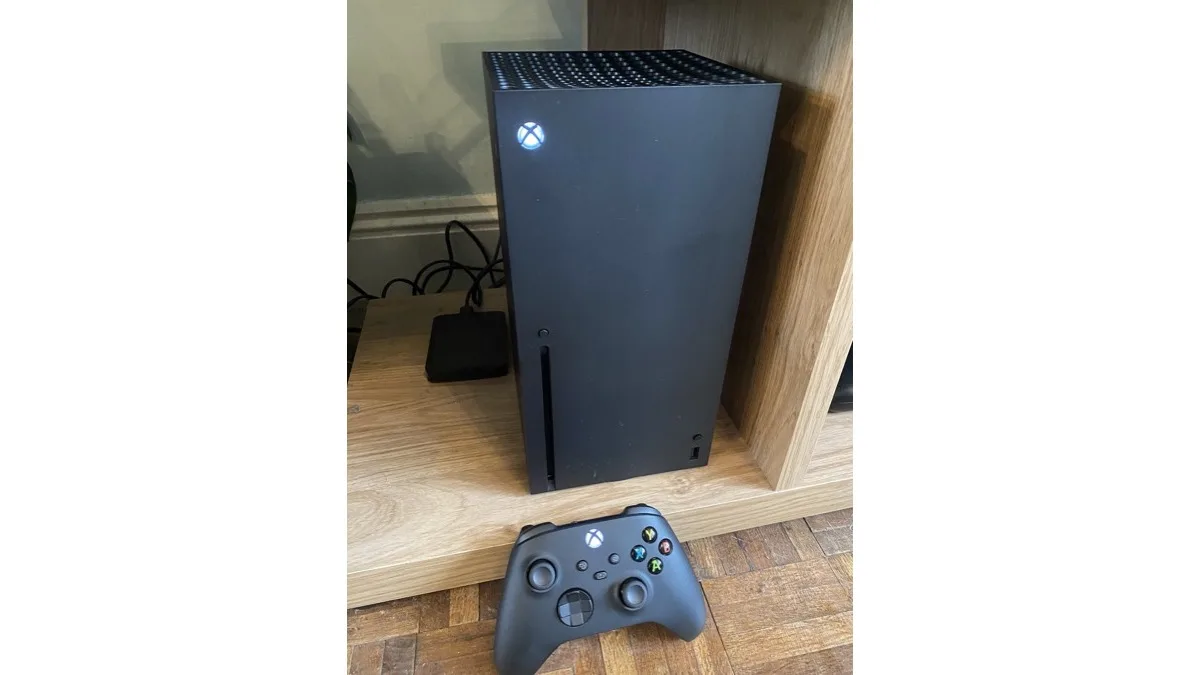
Worth repeating, because the cap story keeps getting read as a Game Pass cut in general: none of this touches games you download and run locally. A Series X, a Series S or a PC plays the catalogue exactly as before, with no clock running. The limit counts streamed minutes from Microsoft's servers and nothing else. Our earlier breakdown of the Xbox Cloud Gaming hour limits covers how the tiers and top-ups are structured.
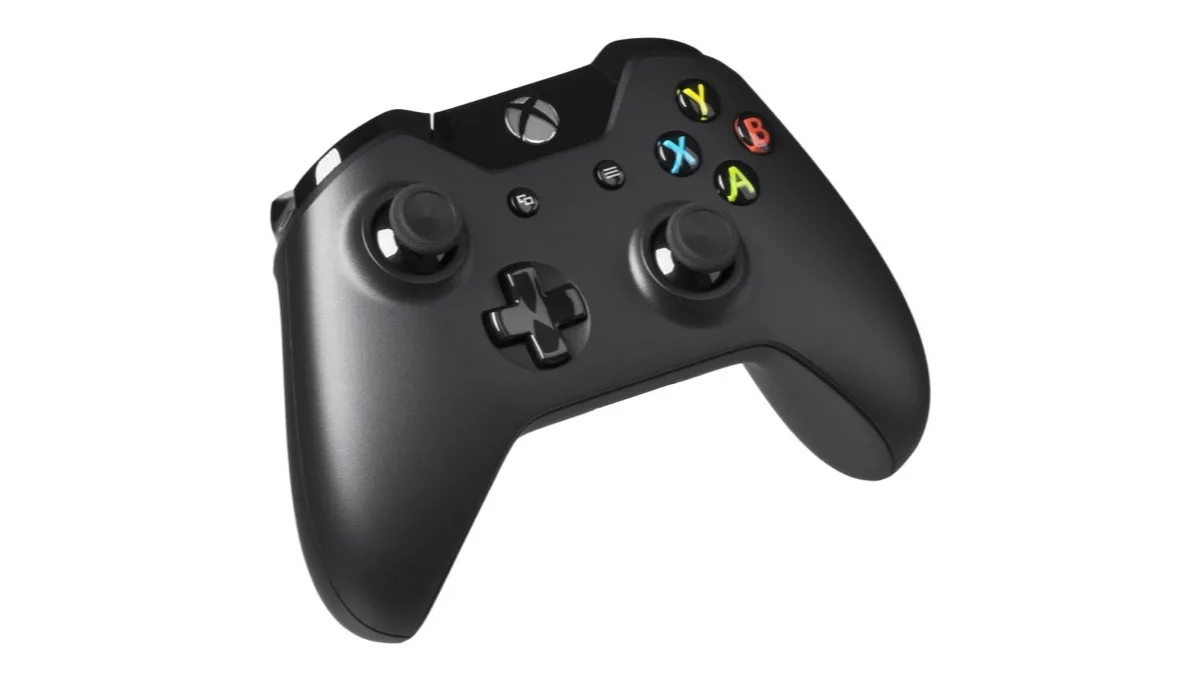
The people this lands hardest on are the ones who stream because they have no other option: Xbox One owners reaching Series X|S-only titles through the cloud, and anyone whose main screen is a phone or a tablet. Microsoft spent years pitching cloud streaming at exactly that audience. If you play that way, the pad matters, and our list of Android games with gamepad support covers what pairs cleanly with an Xbox controller.
What is still unanswered
Plenty. Microsoft has not said whether the five reported markets are the complete list or simply the ones that have surfaced, whether the exemption survives a tier upgrade or downgrade, or what a top-up hour will cost for everyone else. Nor has it explained how hours are metered — whether time sitting in a pause menu burns the allowance, and whether anything unused rolls into the next month.
There is also the part of the November change that is not a restriction at all: buying cloud hours without any Game Pass subscription, to stream games you already own. That is new, and it is the first time streaming has been sold separately from the subscription.
For what the service is offering right now, see our rundown of the September Game Pass additions and removals, and the competing month in our PS Plus September games post. The hardware side of Xbox's year is in our coverage of the Xbox Series X25 price leak.
Frequently Asked Questions
Which countries are exempt from the Xbox Cloud Gaming hour cap?
Subscribers in Australia, Brazil, France, Germany and Poland have reported receiving emails saying the November cloud hour limits will not apply to their existing subscription. Microsoft has not published an official eligibility list, so these five are the markets players have confirmed rather than a complete set. Players in the United States, Canada and the United Kingdom report receiving no such email.
Do I lose the exemption if I cancel Game Pass?
Yes. The email wording says the exemption holds only while the subscription stays on an auto-recurring plan. If an eligible subscriber cancels and buys Game Pass again later, the new subscription gets the standard monthly cloud allocation for its tier instead.
How many cloud gaming hours does each Game Pass tier get?
From November, Game Pass Ultimate includes 15 hours of cloud streaming a month, Premium includes 10 hours and Essential includes 5 hours. Once the allowance is used, Microsoft will sell additional cloud playtime through the Xbox Store, though pricing has not been announced.
Does the cap apply to games I install on my console?
No. The limit counts only time spent streaming from Microsoft's servers. Games downloaded and run locally on an Xbox Series X, Series S or a PC are unaffected, and there is no clock on how long you play them.
Why are only some countries exempt from the Game Pass cloud cap?
Microsoft has not given a reason. The countries reported so far have consumer protection rules that limit how much a company can change the terms of a subscription somebody is already paying for, which would make applying a new cap mid-contract difficult. That explanation fits the pattern but has not been confirmed by Xbox.