What Is Android Pulse? The Hidden Google App With 10M+ Downloads

A Google system app called Android Pulse surfaced in Play Store update lists on Saturday morning, catching phone owners off guard because it has quietly existed on their devices since March with no user interface and no explanation. The listing has already logged seven updates and more than 10 million installs, yet this was the first time Google let people trigger it manually through the Play Store rather than pushing it silently in the background.
The app's own description offers little comfort to the curious: it says Android Pulse handles "rule distribution for anomaly detection" in how much of the phone's critical system resources the operating system and installed apps are consuming. In plain terms, that points to background monitoring of things like battery, CPU, or memory use, though Google has not spelled out exactly what triggers an alert or what happens when one fires.
Why an app nobody asked for is on 10 million phones
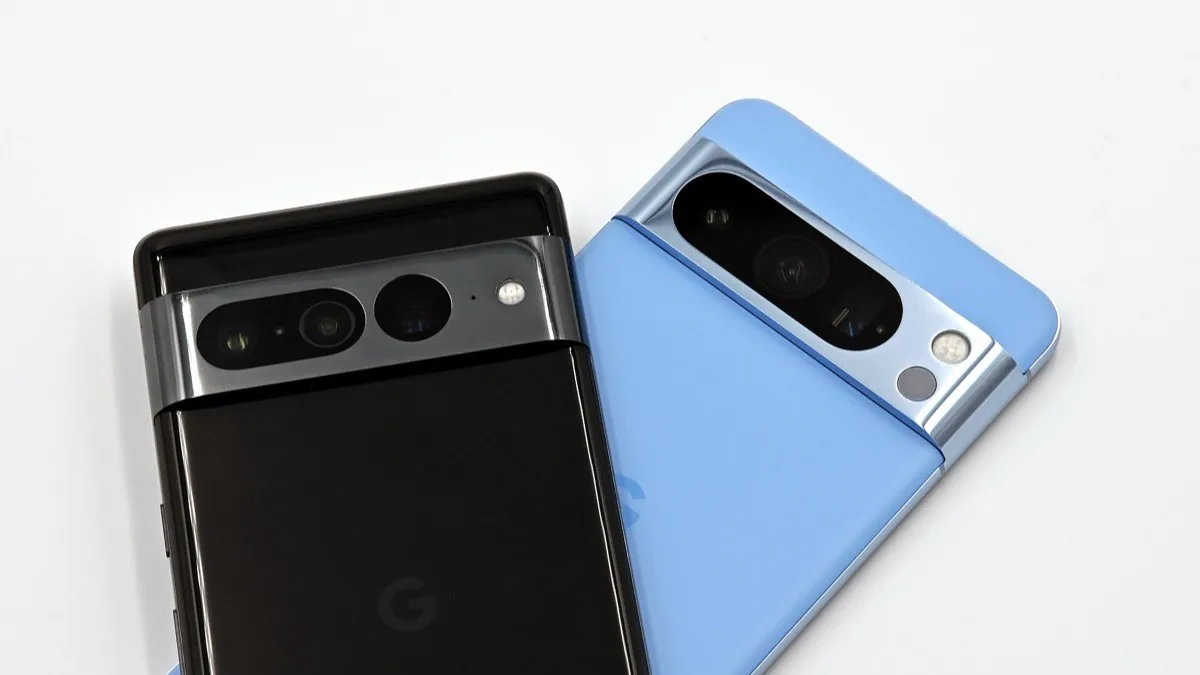
Android Pulse is packaged under the developer ID com.google.android.apps.pulse and was already preinstalled on Pixel phones before this update ever reached the Play Store as a visible entry. That confirms it as a genuine first-party Google component rather than a rogue app or malware masquerading as one, but it also means most owners never chose to install it and had no way to decline it.
Instead of an app icon, the Play listing initially showed a blank square, and in system Settings the app registers only as "Pulse" with a small green, heart-rate-styled icon. There is nothing to tap, no dashboard, and no toggle. It runs entirely in the background, which is standard for Google's internal diagnostic tools but unusual for something visible enough to show up as an update a user can manually install.
What changed this weekend
Google typically ships components like this through Play System Services, the invisible update channel that patches core Android functionality without ever appearing in a user's list of app updates. Android Pulse breaking from that pattern and showing up as a normal, installable Play Store update is the actual news here — not the app's existence, which predates this weekend by roughly five months.
- First spotted: Saturday, August 22, 2026, in Play Store update queues
- Existing since: March 2026, with seven prior builds already installed silently
- Install base: Over 10 million, per its Play Store listing
- Interface: None — it appears only as "Pulse" under system apps in Settings
Should you be worried about it?
There is no evidence Android Pulse collects or transmits anything beyond internal performance signals used to catch resource anomalies, and Google has not flagged it as tied to any specific security or privacy issue. It sits alongside a long list of background Google system apps — like Android System Intelligence or Device Diagnostics — that most owners never notice because they carry no interface and rarely surface outside of a Play Store update log.
What makes it worth knowing about is simply that it exists. If you spot "Android Pulse" or "Pulse" while scrolling through your installed apps or a fresh batch of Play Store updates, it is not a mistake, a duplicate, or something you accidentally downloaded. It is a Google-signed diagnostic component that has likely been running on your phone for months already.
How to check if it's on your phone
Open Settings, then Apps, then tap "See all apps" and turn on the option to show system apps if it is hidden by default. Search for "Pulse." If it is present, you will see the small green icon with no launch option — that is expected, since the app has no interface to open.
Uninstalling or disabling it is not recommended and, on most Pixel devices, is not even offered as an option since it is a protected system component. For most owners, the right move is simply to recognize the name and move on — this is Google's plumbing working as intended, just made briefly visible by an unusual update channel.
Related reading
Frequently Asked Questions
What is the Android Pulse app?
Android Pulse is a first-party Google system app that handles anomaly detection for critical system resource use, such as battery, CPU, or memory. It has no interface and runs entirely in the background.
Is Android Pulse safe or is it malware?
It is safe. Android Pulse is signed and distributed by Google under the package com.google.android.apps.pulse, and it was already preinstalled on Pixel devices before this update made it visible in the Play Store.
Why did Android Pulse suddenly appear in my Play Store updates?
The app has existed since March 2026 with seven prior builds, but Google always pushed it silently through the Play System Services channel. This is the first time it showed up as a manually installable update in the regular Play Store list.
Can I uninstall Android Pulse?
On most Pixel devices it is a protected system component and cannot be removed through normal means. It is not recommended to try, since it is a Google diagnostic tool rather than unwanted bloatware.
How many devices have Android Pulse installed?
Its Play Store listing shows more than 10 million installs, reflecting how broadly Google has already distributed it since March 2026 before this weekend's visibility change.