Apple Faces R$300 Million Brazilian Lawsuit Over Age Checks on App Store Casino Games
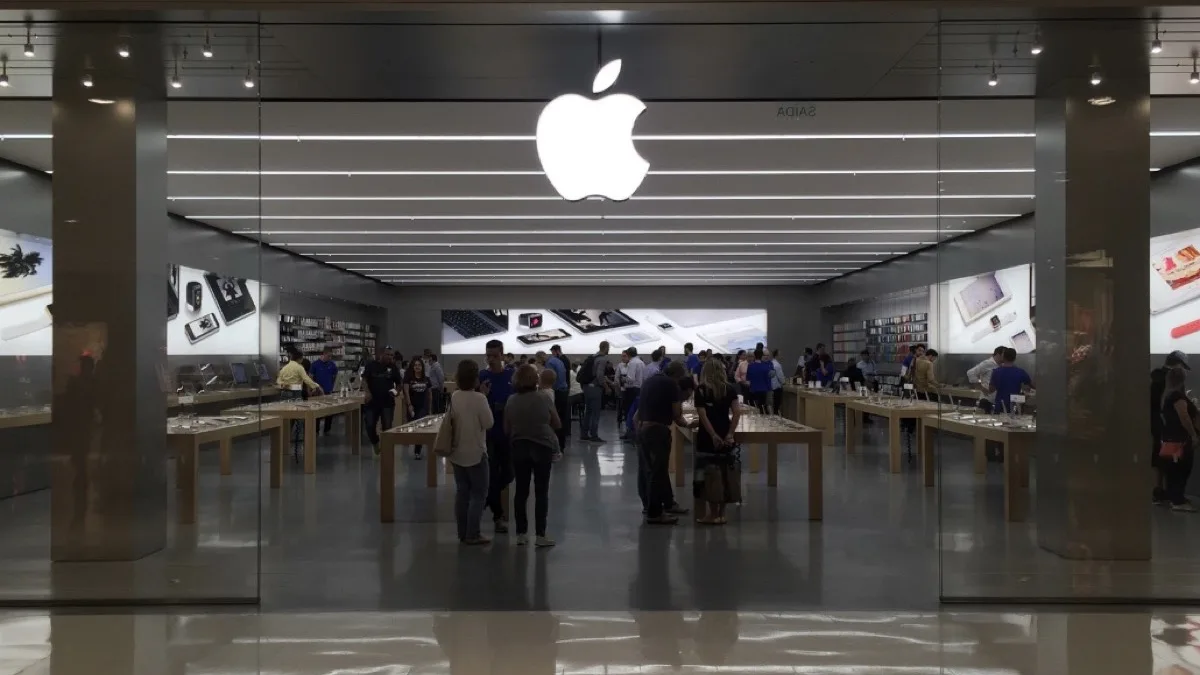
Apple is facing a civil lawsuit in Brazil that seeks R$300 million in moral damages over claims that children can download and play casino-style games from the Brazilian App Store without any meaningful age verification. The action was filed on 30 July 2026 by three civil-society organisations and became widely reported this week.
The plaintiffs are Anced, the National Association of Centers for the Defense of Children and Adolescents, alongside Educafro Brasil and the Santo Dias Center for Human Rights. Their complaint is not that gambling apps exist on the store, but that the 18+ label attached to them is, in practice, unenforced.
What the lawsuit alleges
The filing singles out a title called Casino Roulette: Roulettist, which carries an 18-and-over age rating on the Brazilian App Store. According to the complaint, a user was able to download and open it without being asked for proof of age at any stage — no document check, no facial recognition, nothing beyond the rating shown on the listing page.
That gap is the core of the case. An age rating tells a shopper what is inside an app; it does not, on its own, stop anyone from installing it.
What the groups are asking the court to order
The remedies sought go well beyond a payout. The organisations want the court to require Apple to:
- Introduce an effective age-verification system that runs before a user can access casino games;
- Block new casino apps from being published without that verification in place;
- Continuously monitor gambling titles already listed on the Brazilian store;
- File compliance reports with the court every six months.
The filing also asks for a daily penalty of R$500,000 if Apple fails to put the required measures in place within 10 days of a court order. None of this has been ruled on yet — these are the plaintiffs' demands, not an outcome.
Apple's position
Apple has pointed to the parental controls it already ships, particularly Family Sharing, which lets a parent approve or refuse a child's downloads. The company has also said it is currently testing an age-verification system specifically for users in Brazil, and that it intends to make it available to everyone in the country through a software update in the coming months.
That suggests Apple accepts ratings alone are not the end state in Brazil, whatever the court decides. No firm release date has been given, and the feature has not been tied to a named iOS version.
This has been building since April
The lawsuit is the sharpest step so far, but it follows months of pressure. Earlier in 2026, Brazilian consumer-protection and digital-rights authorities formally questioned both Apple and Google about betting apps reaching minors, and returned with further questions in July. The new case moves the dispute from regulatory correspondence into court. Brazil has become an unusually active market for App Store rules generally — it is also where the Epic Games Store launched on iPhone.
What parents can do right now
Nothing in this case changes anything on your device today, in Brazil or anywhere else. The existing controls are the only ones available, and they do work if they are switched on:
- Open Settings → Screen Time → Content & Privacy Restrictions on the child's iPhone or iPad and turn the toggle on.
- Under Content Restrictions → Apps, set an age limit such as 12+. Apps rated above that stop appearing in the App Store on that device entirely.
- Under iTunes & App Store Purchases, set Installing Apps and In-app Purchases to Don't Allow if you want approval over everything.
- With Family Sharing, enable Ask to Buy so every download request comes to the organiser for approval first.
- Set a Screen Time passcode that is different from the device unlock code, or the restrictions can simply be switched back off.
Setting the app age limit is the step most people skip, and it is the one that actually removes 18+ titles from search results rather than merely warning about them. If you are setting up a device for a younger child, our roundup of educational apps for kids is a reasonable next stop.
Does this affect users outside Brazil?
Directly, no. The case is filed in Brazil, seeks remedies for the Brazilian App Store, and the age-verification system Apple describes is being tested for Brazilian users. But age-assurance rules are being written into law in a growing number of countries, and a system built for one market rarely stays there. Apple says the Brazilian rollout arrives via a software update — the same channel that delivered the iOS 26.6 update.
Frequently Asked Questions
Who is suing Apple in Brazil over App Store casino games?
Three organisations filed the civil lawsuit on 30 July 2026: Anced, the National Association of Centers for the Defense of Children and Adolescents, together with Educafro Brasil and the Santo Dias Center for Human Rights. They are seeking R$300 million in moral damages.
What exactly does the lawsuit accuse Apple of?
It alleges that casino-style games rated 18 and over on the Brazilian App Store can be downloaded and played by minors because no age check is enforced. The filing cites a roulette title that required no document verification or facial recognition at any point before access.
Is Apple adding age verification in Brazil?
Apple has said it is testing an age-verification system for users in Brazil and plans to make it available to everyone in the country through a software update in the coming months. No specific date or iOS version has been announced, and the case has not been decided.
How do I stop my child downloading 18+ apps on an iPhone?
Go to Settings, then Screen Time, then Content and Privacy Restrictions, and turn it on. Under Content Restrictions choose Apps and set an age limit such as 12+, which removes higher-rated apps from the App Store on that device. Set a separate Screen Time passcode so the setting cannot be reversed.
Does this lawsuit change anything outside Brazil?
Not directly. The case concerns the Brazilian App Store and the age-verification system Apple describes is being tested for Brazilian users. Apple has said it would arrive through a software update, so any wider rollout would likely follow the same channel.