Dolby Vision 2 Starts Shipping on Hisense TVs, the First Sets Anywhere to Get It
Dolby Vision 2 has started arriving on real televisions for the first time, and Hisense is the brand delivering it. A firmware update rolling out from today enables the format on four 2026 Hisense TV families — the flagship UX, the UR9 and UR8 mini-LED sets, and the more affordable U7, sold as the U7 Pro in parts of Europe, the Middle East, Africa and South and Central America.
All four lines are getting Dolby Vision 2 Max, the higher of the format's two tiers, which makes them the first sets on sale anywhere to carry it. Dolby announced the format in 2025 and named partners at CES, but until now nothing on shop shelves actually supported it.
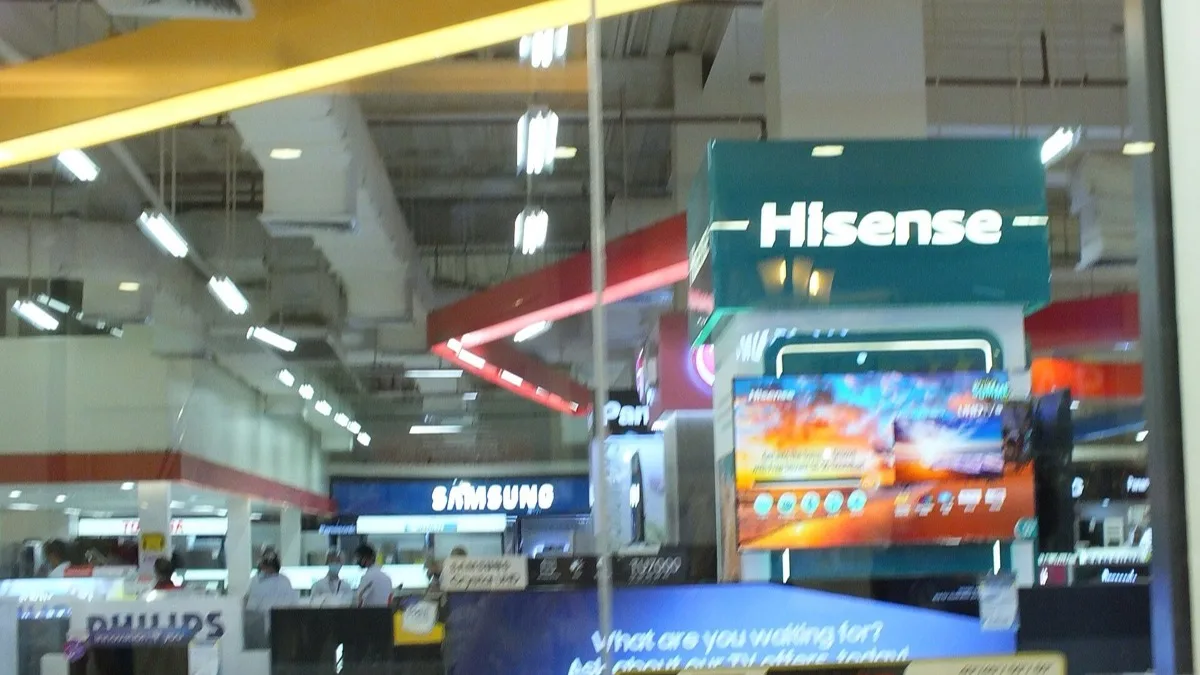
Which Hisense TVs are eligible
The update covers 2026 models only. Older sets, including 2025 flagships, are not part of this rollout, and Hisense has not said whether any will follow.
- Hisense UX — the top-end 2026 flagship.
- Hisense UR9 and UR8 — the premium mini-LED tiers.
- Hisense U7 — the mainstream model, and the cheapest way into Dolby Vision 2 this year. It is branded U7 Pro in EU, MEA and CSA markets.
Both software platforms Hisense ships are covered: sets running Google TV and sets running the company's own VIDAA operating system. Territory coverage spans North America, Europe and Asia-Pacific, but not all at once — the rollout is staged over the coming weeks, so two identical TVs in different countries may not see the update on the same day.
What Dolby Vision 2 Max adds over Dolby Vision
The headline addition is Content Intelligence, which reads metadata embedded in the stream to identify what you are watching and the conditions you are watching it in, then tunes the picture scene by scene rather than applying one profile to a whole title. The pitch is that dark cinematic scenes stay legible without lifting the whole image.
Three further features are exclusive to the Max tier, and all four Hisense lines qualify for them:
- Authentic Motion — judder control applied per scene, aimed at removing stutter in slow pans without the soap-opera smoothing that motion interpolation usually brings.
- Light Sense 2 — continuous adjustment to the room's ambient light, rather than a one-off setting.
- Pro settings, including an intensity slider that lets you dial back how aggressively the processing is applied.
That slider matters more than it sounds: every feature here is a processing decision made on your behalf, and a viewer who dislikes the result can dial it back instead of switching the format off.
The catch: almost nothing is mastered for it yet
Hardware support is only half of an HDR format. Content has to be encoded for Dolby Vision 2 before Content Intelligence has anything to read, and so far only three services have committed: Peacock, CANAL+ and iQIYI. That is a US streamer, a French one and a Chinese one — no Netflix, no Disney+, no Prime Video, and no Apple TV yet.
Existing Dolby Vision content still plays normally, so nobody loses anything, but the practical benefit is limited to a narrow slice of programming until the larger services follow. It is a familiar pattern — Samsung took the same route this week when it made Prime Video the first service with HDR10+ ADVANCED on its 2026 sets, with one partner at launch.
How to check whether your TV has it
Firmware is being pushed automatically, so the most likely outcome is that it simply appears. If you would rather not wait:
- Open your TV's settings and look for the system or support menu, then check for a software or firmware update manually.
- Confirm the set is connected to the internet — TVs left on a wired-only setup that was never plugged in will never receive it.
- After updating, look for Dolby Vision 2 branding in the picture mode list while playing supported content. Nothing will appear on a title that is not encoded for it.
If you are in a region that has not been reached yet, there is no way to force the update, and no setting inside the TV will bring it forward.
For anyone shopping now, the practical takeaway is narrow: a 2026 Hisense set is currently the only way to get Dolby Vision 2, and the reason to want one is future-proofing rather than anything you can watch this week. Buyers weighing a set against a streaming bundle may find Peacock's inclusion with YouTube Premium relevant, given it is one of the three launch partners.
Related reading
Frequently Asked Questions
Which Hisense TVs get Dolby Vision 2?
Four 2026 lines are covered: the flagship UX, the UR9 and UR8 mini-LED models, and the U7, which is sold as the U7 Pro in EU, MEA and CSA markets. Both the Google TV and VIDAA versions of those sets qualify. Older Hisense TVs are not included in this rollout.
What is the difference between Dolby Vision 2 and Dolby Vision 2 Max?
Both tiers include Content Intelligence, which tunes the picture scene by scene using embedded metadata. Max adds three more features: Authentic Motion for judder control, Light Sense 2 for continuous ambient light adjustment, and Pro settings including an intensity slider. All four eligible Hisense lines get the Max version.
What can I actually watch in Dolby Vision 2?
Very little so far. Only Peacock, CANAL+ and iQIYI have committed to the format, and each serves a different region. Netflix, Disney+, Prime Video and Apple TV have not announced support, so most of your library will still play in standard Dolby Vision.
Do I lose regular Dolby Vision content after the update?
No. Existing Dolby Vision titles continue to play as they always have. Dolby Vision 2 adds a new layer on top for content mastered for it, rather than replacing what your TV already handles.
When will my Hisense TV get the Dolby Vision 2 update?
The rollout is staged over several weeks across North America, Europe and Asia-Pacific, so the exact date depends on your model and country. Keep the TV connected to the internet and check the software update option in the settings menu. There is no way to force it early.