Retroid Raises Pocket Nova Prices by $10 and Points to Qualcomm Chip Costs
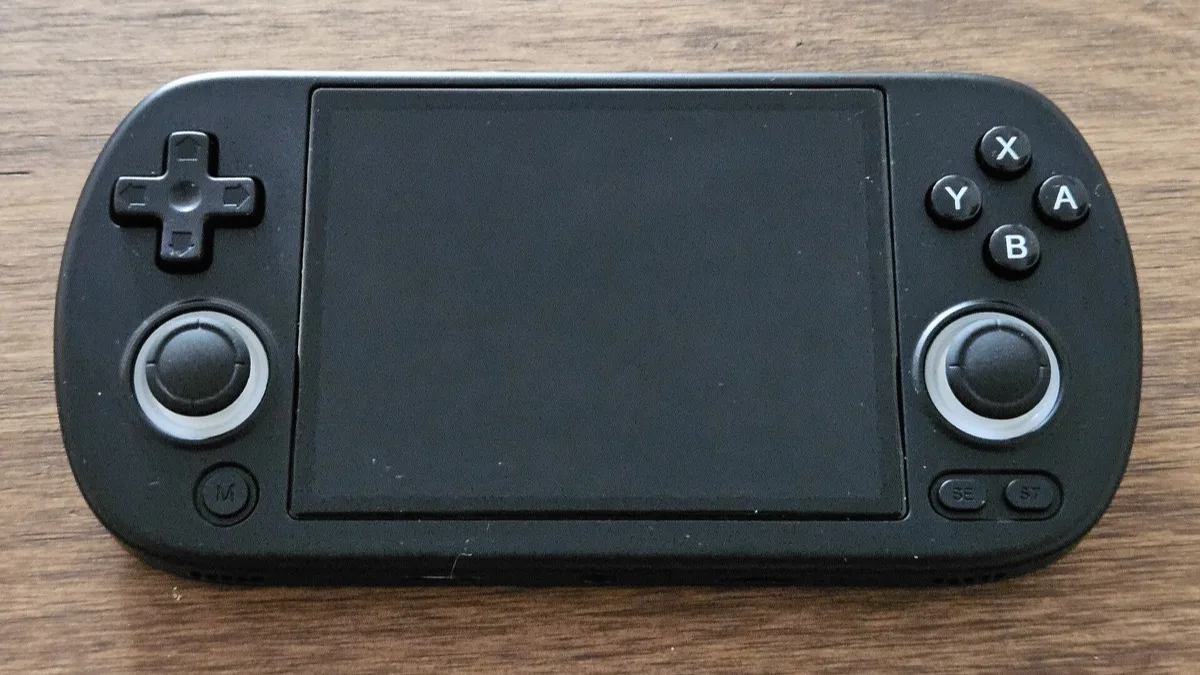
Retroid is putting up the price of the Pocket Nova, its newest Android gaming handheld, less than a fortnight after the device began shipping. The base 8GB/128GB model moves from $229 to $239 and the 12GB configuration goes from $269 to $279, with the new pricing taking effect on 6 August 2026. Retroid told its community the increase is driven by rising Qualcomm chipset and raw material costs.
It is a $10 change — roughly four percent — but it matters well beyond one handheld. This is the first consumer device to visibly reprice because of the chip increase Qualcomm signalled to its customers last month, and it lands almost four weeks before that increase is even due to take hold.
Exactly what is changing, and when
The increase applies to the Pocket Nova's storefront pricing in US dollars, which is how Retroid sells the device globally from its own site. According to reports published today, the changes are:
- 8GB / 128GB Pocket Nova — $229 rises to $239
- 12GB Pocket Nova — $269 rises to $279
- Transparent shell option — reported as carrying an additional $5
- Effective date — 6 August 2026, leaving a short window at the old prices
Retroid has not published a statement on how orders placed before that date but not yet shipped will be treated, and neither report addresses it. If you have an outstanding order, that is worth confirming with Retroid directly rather than assuming the old price is locked in.
Why a $10 handheld increase is a bigger story
The Pocket Nova runs on Qualcomm's QCS8550, a Dragonwing-branded part closely related to the Snapdragon 8 Gen 2 that powered flagship Android phones in 2023. That lineage is exactly why the handheld could offer flagship-class emulation performance at $229 in the first place — and exactly why it is exposed now.
Qualcomm has told device makers that its chip prices are going up by a double-digit percentage from 1 September, a shift we covered when the company first informed its customers. Retroid is not waiting for that date. The company had said publicly in late July, as the Nova started shipping, that it would try to keep pricing stable; that position has lasted about a week.
Small handheld makers have almost no room to absorb this. They buy silicon in modest volumes, run thin margins, and cannot spread a component increase across a portfolio the way a phone manufacturer can. Retroid has already raised the price of the Pocket 6 earlier this year for similar component reasons.
The same squeeze, across the whole industry
Chip and memory costs have become the defining consumer-tech story of 2026, and it is showing up in every price bracket. Google has confirmed a Pixel 11 price increase driven by RAM costs, Samsung's mobile division has posted an operating loss, and analysts expect Apple's next Pro iPhones to climb as well. A retro handheld is simply the smallest, fastest-moving example — the segment where a supplier's decision reaches the shelf in days rather than quarters.
The practical read for anyone shopping this category: expect other Snapdragon-based handhelds to follow, and expect the moves to be announced with very little notice.
What to do if you were planning to buy
If the Pocket Nova was already on your list, ordering before 6 August is the only way to secure the current price, and $10 on a $229 device is not a reason to rush a purchase you were unsure about. A few things worth weighing:
- Pick the configuration you actually need. The 12GB model carries the same $10 increase, so the gap between the two versions is unchanged.
- Check shipping estimates before ordering. The Nova only began shipping in late July, so lead times are still settling.
- Consider what you will emulate. If your library stops at 16-bit and early 3D consoles, far cheaper hardware handles it comfortably, and the free Sega emulators for Android will run on a phone you already own.
Retroid has not indicated whether this is a one-off adjustment or the first of several. Given that Qualcomm's own increase does not formally begin until September, a second revision later in the year is a realistic possibility rather than a certainty — and the company has given no commitment either way. For a fuller picture of where these costs originate, see our earlier report on Qualcomm's Snapdragon price increase.
Frequently Asked Questions
How much does the Retroid Pocket Nova cost now?
Until 6 August 2026 the 8GB/128GB model remains $229 and the 12GB model $269. From that date they rise to $239 and $279 respectively. Retroid sells the handheld in US dollars from its own storefront, so the same increase applies to buyers everywhere.
Why is Retroid raising the Pocket Nova price?
Retroid has attributed the increase to rising Qualcomm chipset and raw material costs. The Pocket Nova uses Qualcomm's QCS8550 processor, and Qualcomm has told device makers its prices go up by a double-digit percentage from 1 September 2026.
Will my existing Pocket Nova order be charged the new price?
Retroid has not published anything on how pre-existing orders are handled, and the reports covering the increase do not address it. If you have an order placed but not yet shipped, contact Retroid directly rather than assuming the old price is locked in.
Are other handhelds going to get more expensive too?
Retroid has not spoken for other companies, but the pressure is industry-wide rather than specific to one brand. Any handheld built on a Qualcomm chip faces the same component increase, and smaller makers have little margin to absorb it, so further changes across the category are likely.
What chip does the Retroid Pocket Nova use?
It runs Qualcomm's QCS8550, a Dragonwing-branded part closely related to the Snapdragon 8 Gen 2 used in 2023 flagship Android phones. That silicon is what allows the Nova to handle demanding emulation at its price, and it is also the source of the cost increase.