Samsung's New 200MP ISOCELL HPC Sensor Adds 16-Bit HDR and DeepPix Tech

Samsung has unveiled the ISOCELL HPC, a new 200-megapixel mobile image sensor built around a pixel technology the company calls DeepPix. It is Samsung's first sensor to use the design, and the company says it pushes single-frame HDR and in-sensor zoom further than any of its previous ISOCELL chips.
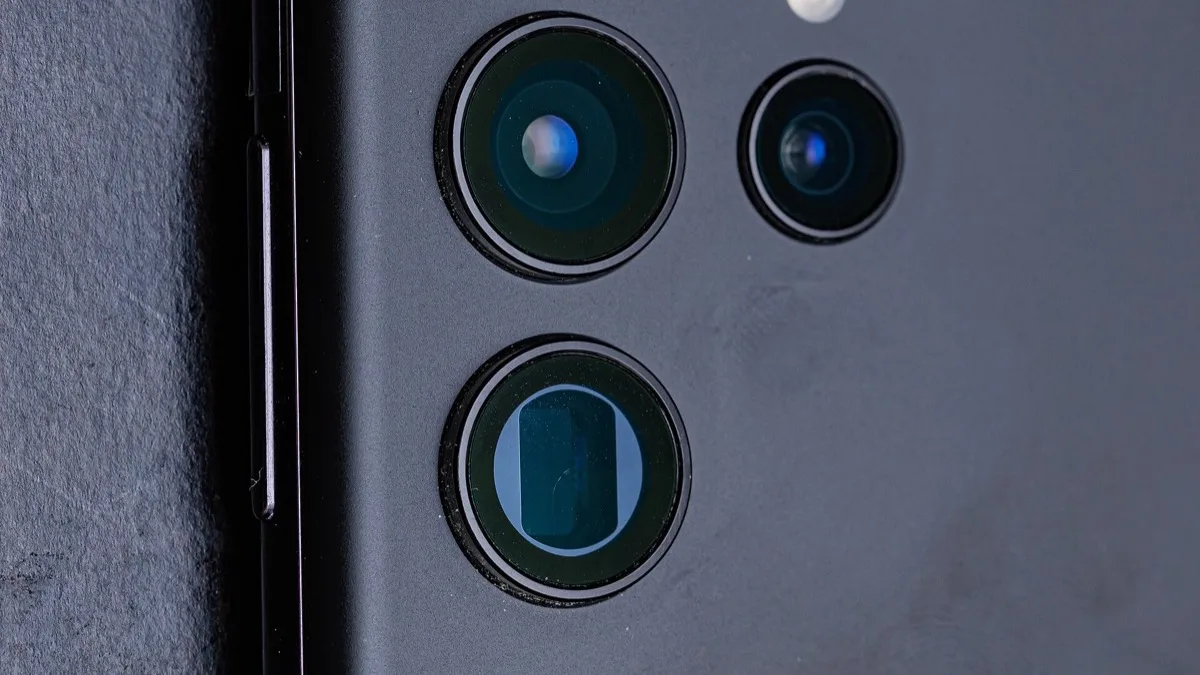
What DeepPix actually changes
DeepPix is a pixel architecture built on Front Deep Trench Isolation, a structure that expands each pixel's photodiode capacity and shares floating diffusion between neighboring pixels. In practical terms, Samsung says that lets each pixel hold significantly more light — the company claims a 60 percent increase in full well capacity over its previous generation — before it clips into overexposure.
More headroom before clipping means brighter highlights survive alongside more detail pulled out of shadows, which is the core of what makes an HDR photo look natural rather than flat or blown out. Samsung pairs the pixel design with a new High Precision Microlens and a high-transmittance anti-reflective layer, both aimed at getting more of the available light to actually reach the sensor instead of scattering or reflecting away.
The headline numbers
The ISOCELL HPC is a 200MP sensor built on a 1/1.3-inch optical format with 0.6-micron pixels, arranged in Samsung's Tetra²pixel Bayer pattern. Samsung's key claims for the sensor include:
- Single-frame 16-bit HDR — Samsung describes this as capturing up to four times richer color detail than sensors using conventional HDR processing.
- HDR across in-sensor zoom — full dynamic range is preserved at 1x, 1.5x, 2x, 3x, and 4x zoom, rather than only at native focal length.
- 4K video at up to 180fps, with 4K at 120fps available alongside all-pixel phase-detection autofocus, and 8K recording at 30fps.
Most flagship sensors today still rely on merging several exposures to produce an HDR shot, which can introduce ghosting on moving subjects and adds processing time. Doing 16-bit HDR in a single frame sidesteps both problems, at least on paper — how it performs will depend on the image processing pipeline in whatever phone ships with it.
Where it's likely to show up first
Samsung has not named a launch device. The company says the ISOCELL HPC is intended for flagship smartphones and describes it as ready for products “later this year,” without committing to a specific model or region.
Given the timing and the 200MP resolution, the sensor is a natural fit for Samsung's own upcoming flagship, which we've been tracking separately in our Galaxy S27 release date and leaks roundup. Samsung has historically debuted its newest ISOCELL sensors in its own Galaxy Ultra models before licensing them to other phone makers, including several Chinese brands that have used past ISOCELL HP-series chips as their main camera.
What to watch next
Specs on a sensor page are one thing; real-world image quality is another. Samsung's 60 percent full-well-capacity claim and its HDR-at-zoom feature are both testable once retail units ship, and past ISOCELL sensors have not always matched their spec-sheet promises once tuned by a phone maker's camera software. Until a device with the ISOCELL HPC reaches reviewers, treat the sensor's capabilities as Samsung's own claims rather than confirmed performance.
Related reading
Frequently Asked Questions
What is Samsung's ISOCELL HPC sensor?
The ISOCELL HPC is Samsung's newest flagship mobile image sensor, a 200-megapixel chip built around a new pixel design called DeepPix. It supports single-frame 16-bit HDR, HDR at multiple in-sensor zoom levels, and 4K video at up to 180fps.
What does DeepPix technology do?
DeepPix uses Front Deep Trench Isolation to expand each pixel's light-capturing capacity and share floating diffusion between neighboring pixels. Samsung says this increases full well capacity by 60 percent over its previous sensor generation, giving more headroom before highlights clip and improving shadow detail.
Which phone will use the ISOCELL HPC sensor first?
Samsung has not confirmed a launch device, only saying the sensor is intended for flagship smartphones shipping later in 2026. Given the timing, Samsung's own next Galaxy Ultra flagship is a likely candidate, since Samsung has typically debuted new ISOCELL HP-series sensors in its own phones first.
How is single-frame 16-bit HDR different from regular HDR?
Most phone cameras build an HDR photo by merging several exposures taken in quick succession, which can cause ghosting on moving subjects. Single-frame HDR captures the full dynamic range in one exposure, and Samsung says the ISOCELL HPC can do this with up to four times richer color detail than conventional multi-frame HDR.
Does the ISOCELL HPC keep HDR quality while zoomed in?
Samsung says yes. The sensor is built to maintain single-frame HDR performance across its in-sensor zoom range, at 1x, 1.5x, 2x, 3x, and 4x, rather than only when shooting at native focal length.