GoPro Sells for $285 Million at $1.14 a Share, Days After Markiplier's 8.5% Stake
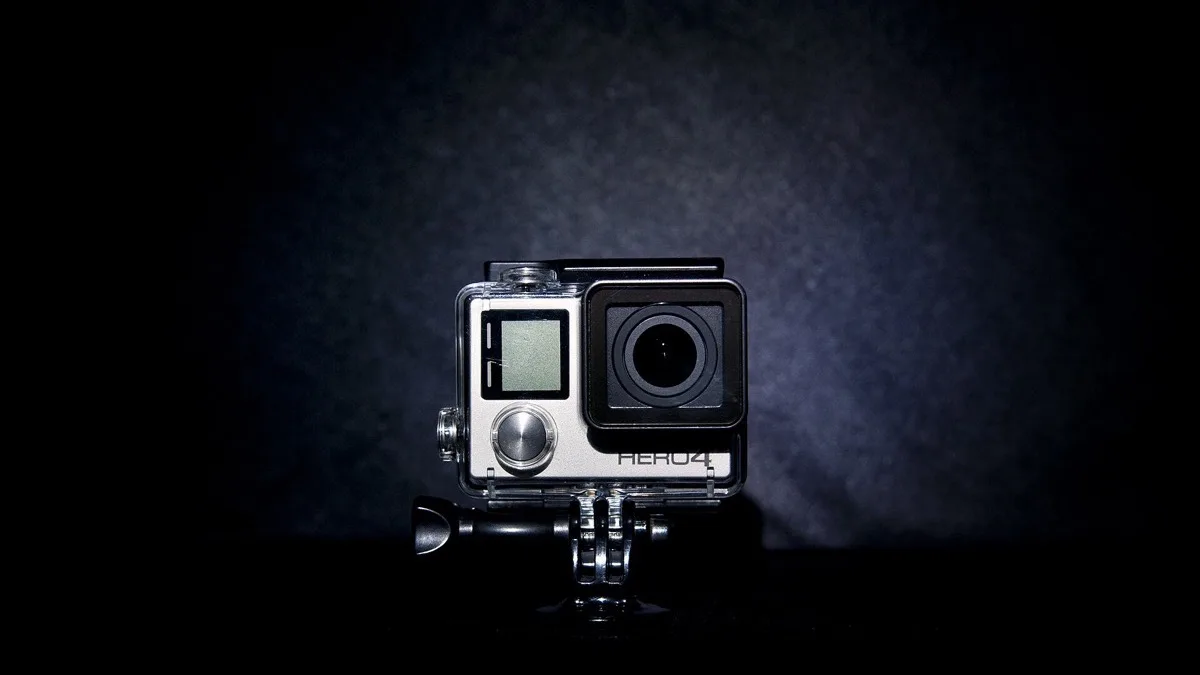
GoPro has signed a definitive agreement to merge with Starman Optical, and shareholders will be paid $1.14 a share in cash — $285 million in total — while keeping roughly 10 percent of the company. The deal was announced on 1 September and is expected to close by the end of 2026.
For anyone holding the stock, that is the entire story in one line: a fixed cash payment, a small retained stake, and a company that stays listed on Nasdaq under new ownership. It also lands less than two weeks after a YouTube creator became GoPro's largest individual shareholder.
What do GoPro shareholders actually get?
The terms are laid out in the companies' own announcement, and they are unusually specific for a deal this early:
- $1.14 a share in cash, $285 million in aggregate, subject to adjustment based on GoPro's net working capital at closing.
- Roughly 10 percent of the outstanding shares of the company, retained by existing holders.
- GoPro's outstanding debt of about $92 million repaid in full at closing.
- A continued Nasdaq listing after the merger.
- Closing expected by year-end 2026, subject to regulatory clearance and a stockholder vote.
That last line matters. Nothing is paid out until the vote and the approvals land, and the working-capital adjustment means the per-share figure is a target rather than a guarantee.
What does the GoPro merger mean for Markiplier's stake?
Mark Fischbach, who films as Markiplier, disclosed 13,500,000 GoPro Class A shares — 8.5 percent of the company — in a Schedule 13G signed on 20 August. That filing is the only documented record of the position, and we covered what the SEC filing says and does not say when it surfaced.
The useful comparison is the price. GoPro traded near $0.73 in the days after the filing became public. The merger sets the cash consideration at $1.14 a share, which is above that level. What the announcement does not do is break out any individual holder's outcome; it describes the cash payment and the retained stake for shareholders as a group. Neither GoPro nor Fischbach has said what he plans to do with the position, and no filing has been made that would answer it.
Why is a camera company talking about defense and AI data centers?
Starman Optical is a privately held optical-photonics business, and the stated point of the merger is to fold its US-manufactured optical transceiver line into GoPro. The combined company says it will pursue AI data center infrastructure, government, defense and aerospace work. Founder and chief executive Nick Woodman describes the result as an American imaging and optical solutions company working in areas tied to national security.
This is less abrupt than it reads. GoPro said in April that it would begin defense and aerospace consulting, and the company has spent years losing publicly traded value while carrying that $92 million debt load. The merger clears the debt and attaches a manufacturing business to a brand that still has optical engineering behind it.
Do GoPro cameras and subscriptions keep working?
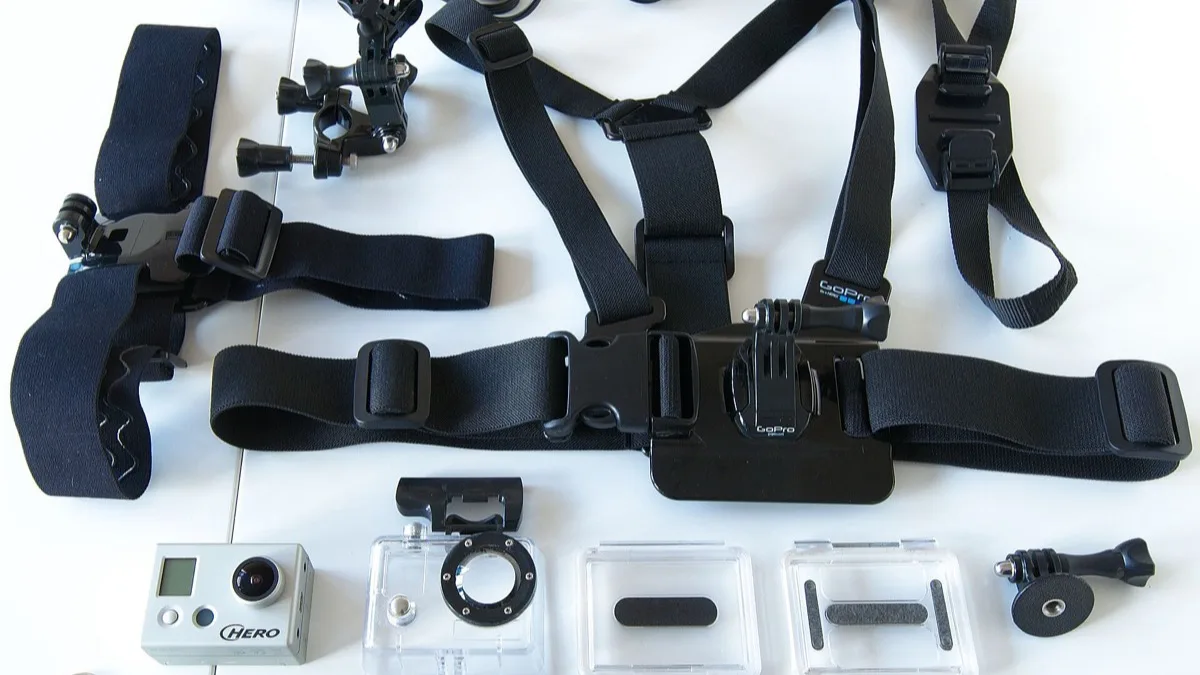
Yes. The announcement states that GoPro will continue to fully support its existing consumer products along with its subscription and cloud platform. No product line has been named for discontinuation and no subscription price change has been announced. If you shoot on a GoPro and cut the footage on your phone, nothing in this deal changes the app you use to do it.
Creators are turning into counterparties
A YouTuber holding 8.5 percent of a Nasdaq-listed camera maker would have read as a stunt a few years ago. It reads differently in a year when platforms have been paying creators to stay put and studios have been ordering episodes directly from creator-run production companies. The money moving through that side of the business is now large enough to show up on a shareholder register.
The next dated checkpoint is the stockholder vote, which has not been scheduled. Until then, the $1.14 figure and the year-end closing window are the only firm numbers on the table.
Frequently Asked Questions
How much are GoPro shareholders paid in the merger?
GoPro shareholders receive an aggregate cash payment of $285 million, or $1.14 a share, subject to adjustment based on GoPro's net working capital at closing. They also keep roughly 10 percent of the outstanding shares of the company rather than being cashed out entirely.
When does the GoPro and Starman Optical merger close?
Closing is expected by the end of 2026. It still depends on regulatory approvals, a GoPro stockholder vote and other customary conditions, and no date has been set for that vote.
Will GoPro stay listed on the Nasdaq?
Yes. The companies say GoPro will remain publicly listed on the Nasdaq after the merger completes, rather than being taken private. Existing holders keep about 10 percent of the shares.
Does GoPro keep making action cameras after the merger?
The announcement says GoPro will continue to fully support its existing consumer products and its subscription and cloud platform. No camera line has been named for discontinuation and no subscription price change has been announced.
How many GoPro shares does Markiplier own?
Mark Fischbach disclosed 13,500,000 GoPro Class A shares, or 8.5 percent of the company, in a Schedule 13G signed on 20 August 2026. Neither he nor GoPro has said what he intends to do with the stake now that the merger has been announced.