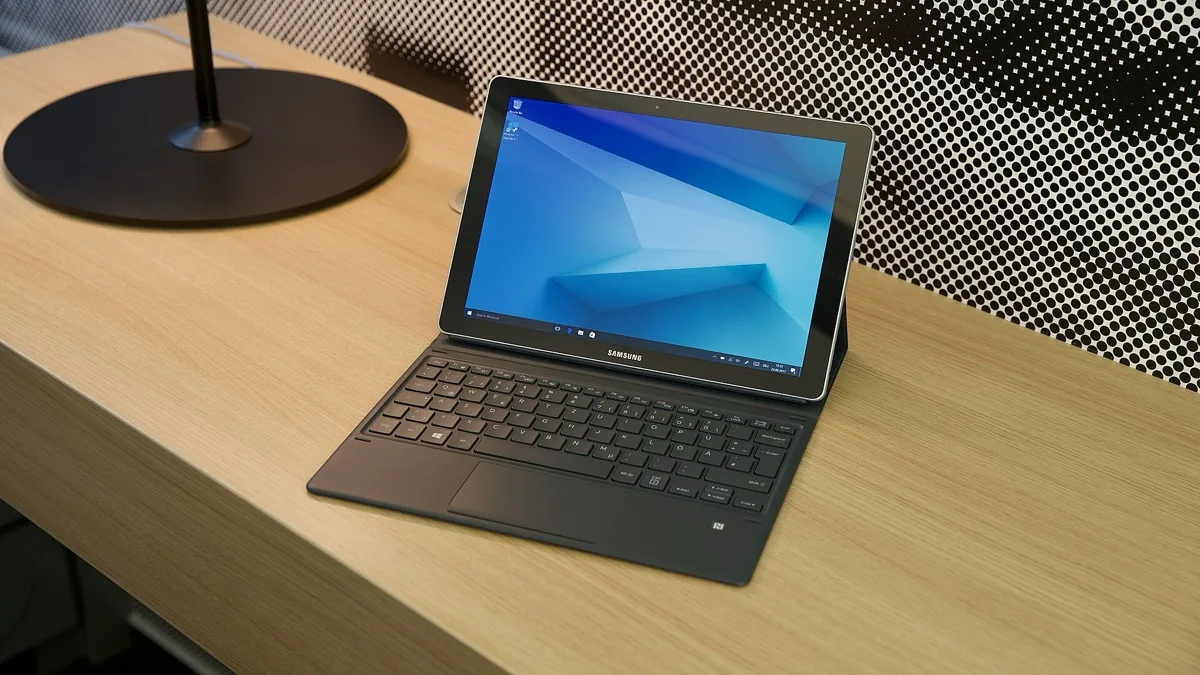
Intel CPU Prices Set to Rise Another 10% on October 5, Report Says
Intel is preparing to raise the price of its PC processors by roughly 10% on 5 October, according to supply-chain sources cited in a report published on Tuesday. It would be the third increase in under a year, and it lands on the desktop and laptop chips that go into ordinary consumer PCs.
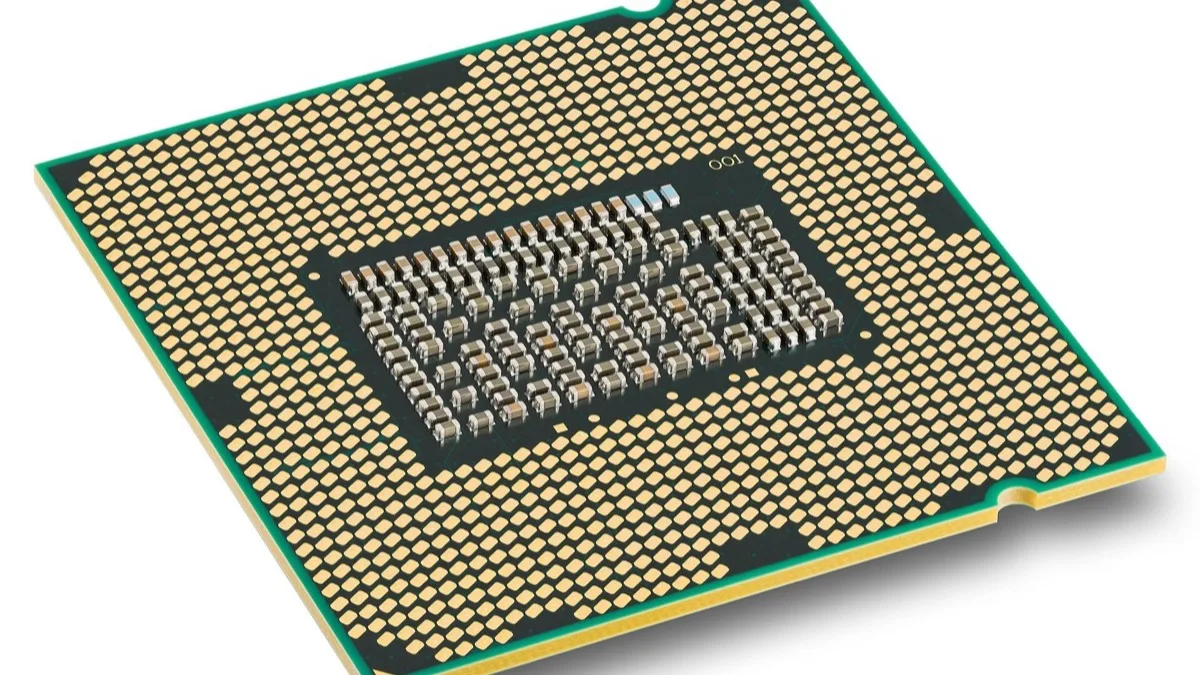
Intel has not announced the change and has not commented on it. What exists is a supply-chain report, sourced to people who buy processors in volume, so treat the date and the figure as a strong signal rather than a confirmed price list. That distinction matters if you are timing a purchase.
The third increase since late 2025
The October move would follow two earlier rounds. Prices went up by around 10% in the first quarter of 2026, and rose again in July across a mix of consumer and server parts, where the individual increases ranged from tens of dollars on cheaper chips to more than a thousand dollars on high-end server SKUs.
Stacked together, that is a meaningful shift in what an Intel chip costs compared with a year ago. Someone who bought a mid-range Core desktop CPU in late 2025 and is repeating the purchase now is not paying the same money.
Why Intel is doing it
The reasoning described in the report is a deliberate change of strategy under chief executive Lip-Bu Tan, who has been running a review of pricing, gross margins, product portfolios and manufacturing costs. The goal is margin rather than market share — the opposite of the long-standing approach of discounting to keep volume.
Rising component and manufacturing costs across the supply chain are the other half of the explanation. That is the same pressure showing up elsewhere in the PC market, where memory in particular has pushed prices up across finished devices. We covered how that squeeze is already reaching phones in our report on the Pixel 11 price increase driven by RAM costs.
The same report says Intel is prepared to discontinue product lines aimed at industrial PCs, IoT and embedded systems where the margins do not hold up. Qualcomm and MediaTek are described as moving into those gaps.
What is not clear yet
- Which segments. The report refers to PC CPU prices broadly. It does not separate desktop from mobile, and it does not name specific families or SKUs.
- Tray versus boxed. An increase quoted to system builders and distributors does not automatically become the same increase on a retail boxed processor, and the two often move on different schedules.
- Regional timing. No markets are singled out. Price adjustments of this kind normally reach distributors worldwide, but local retail prices follow at their own pace and in local currency.
What this means if you are buying
If an Intel build is already planned, the practical read is that the window before 5 October is likely to be the cheaper side of the line. Retail stock bought in before an adjustment usually sells through at the old price for a while, so shelf prices tend to drift up over weeks rather than change overnight.
A few things worth doing now:
- Note the current price of the exact CPU model you want, so you can tell a genuine increase from ordinary price movement later.
- Check prebuilt desktops and laptops as well as loose chips — those are where a processor increase is easiest to absorb quietly into a bundle price.
- Compare the AMD equivalent at today's prices. Nothing in this report says AMD is matching the move.
- Expect the effect to compound with what is happening elsewhere in a build. Graphics cards are under their own pressure, as set out in our coverage of rising budget graphics card prices and the Intel Arc Pro B70 price jump.
The wider backdrop is a PC market that is not growing into this. Shipment forecasts referenced alongside the pricing report point to a decline from about 260 million units to roughly 250 million across 2026 and 2027. Higher chip prices into a shrinking market is a choice about profitability, not demand.
Until Intel publishes a revised price list, 5 October and 10% remain a supply-chain expectation. It is a well-corroborated one, and it is the third such expectation in a row to point the same direction.
Frequently Asked Questions
How much are Intel CPU prices going up in October 2026?
Supply-chain sources say Intel plans to raise PC processor prices by approximately 10% on 5 October 2026. Intel has not officially announced or confirmed the increase. The figure covers PC CPUs broadly, without a published breakdown between desktop and laptop parts.
Has Intel confirmed the October price increase?
No. The 10% figure and the 5 October date come from supply-chain sources reported by industry press, not from Intel. Intel has made no public statement and has not issued a revised price list. Until it does, the increase should be treated as a credible report rather than a confirmed fact.
How many times has Intel raised CPU prices recently?
The October move would be the third round since the end of 2025. Prices rose by around 10% in the first quarter of 2026, and again in July across some consumer and server processors, where individual increases ranged from tens of dollars to more than a thousand dollars on high-end server parts.
Should I buy an Intel CPU before 5 October?
If you already planned an Intel build, buying before the date avoids the reported increase, since existing retail stock generally sells at old prices only for a limited period afterwards. It is worth comparing the equivalent AMD processor first, as nothing in the report suggests AMD is raising prices in step.
Why is Intel raising processor prices?
The report attributes it to a strategy shift under chief executive Lip-Bu Tan toward protecting gross margins instead of buying market share with lower prices. Rising supply-chain and manufacturing costs are cited as the second factor. Intel is also said to be willing to drop low-margin industrial, IoT and embedded product lines.