iPhone 18 Pro Could Cost Up to $300 More as Memory Prices Triple
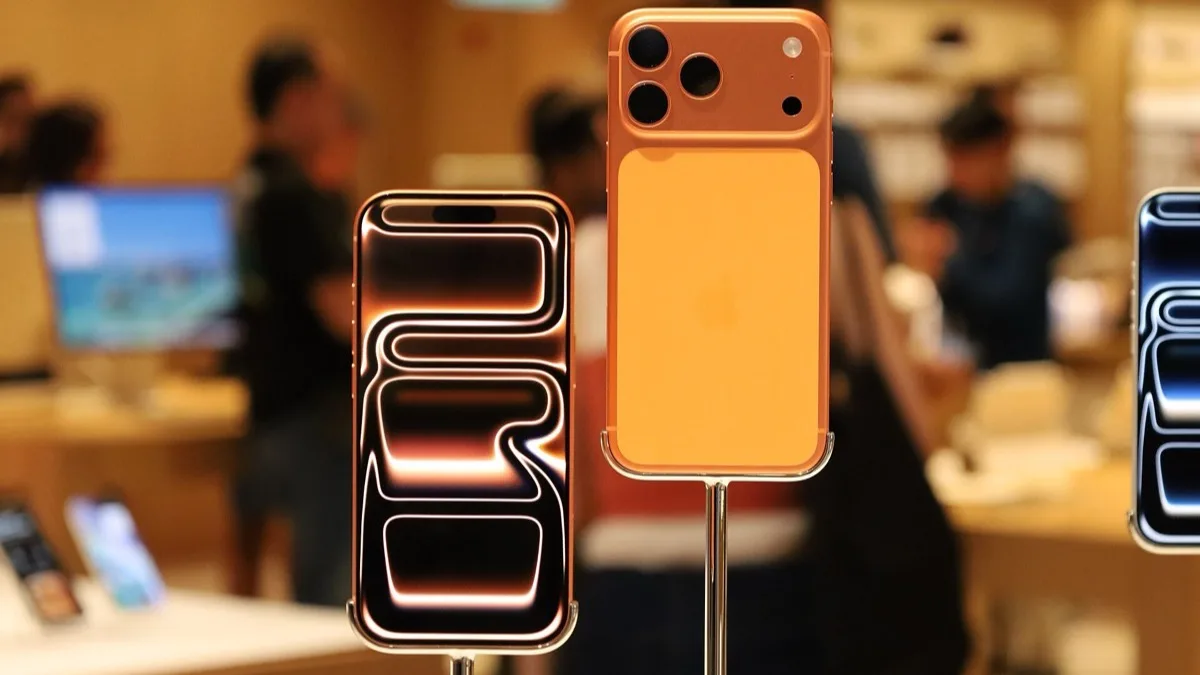
Apple's next flagship is being tipped to arrive with the steepest price rise in the iPhone Pro line's history. Analyst Jeff Pu of GF Securities expects the iPhone 18 Pro to start somewhere between $1,349 and $1,399, with the iPhone 18 Pro Max at $1,449 to $1,499 — an increase of roughly $250 to $300 over the current generation.
To be clear about what this is: a securities analyst's forecast ahead of a September launch, not an Apple announcement. Apple has said nothing about iPhone 18 pricing and historically does not until the keynote itself. But the forecast lines up with reporting from June that also landed on a $1,399 starting figure, and it fits a component-cost squeeze that is already visible in confirmed price rises elsewhere in the industry.
What the numbers actually mean
The comparison points matter, because the two published figures differ slightly and are easy to conflate. Against today's line-up:
- iPhone 17 Pro — currently $1,099, forecast to become $1,349–$1,399.
- iPhone 17 Pro Max — currently $1,199, forecast to become $1,449–$1,499.
The wider $1,399 figure quoted in June sits at the top of Pu's range rather than contradicting it, so the two are consistent. Nobody is claiming a precise number yet — the honest reading is a band of about $250 to $300, not a fixed price. Neither forecast specifies what base storage the increase buys, which is a meaningful gap: a higher entry capacity would soften the real-world jump considerably.
Why memory is driving this
The cause named in the forecast is not Apple's margins but its bill of materials. Memory and storage costs are running roughly three times what they were a year ago, driven by the enormous demand for DRAM and NAND from AI datacentre construction. Phone makers are competing for the same chips as server buyers with far deeper pockets, and they are losing.
Two other cost lines are cited alongside it: the A20 Pro chip built on a 2nm process, which carries a higher wafer price than the node it replaces, and LPDDR5X memory. Pu also moved his Apple rating from buy to hold, on the view that pricing at this level introduces real demand uncertainty — a notable signal, since it suggests the analyst forecasting the rise expects it to cost Apple sales.
This is an industry problem, not an Apple one
The reason this forecast is credible is that the same pressure has already produced confirmed price rises everywhere else, and those are facts rather than predictions.
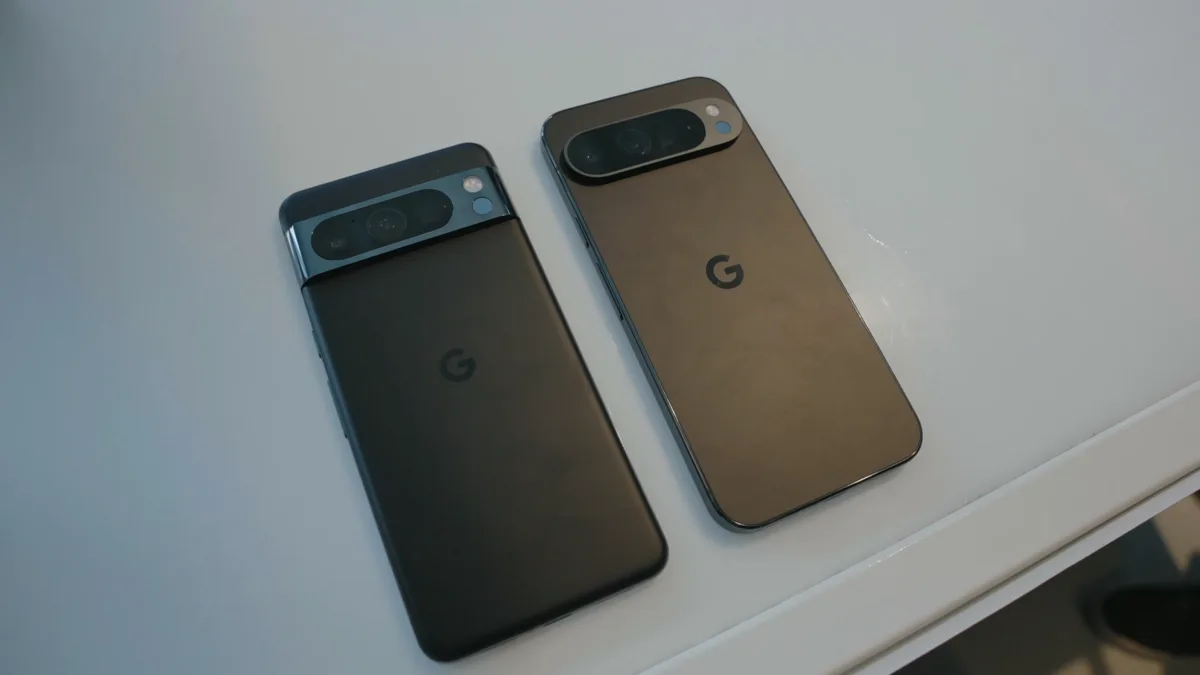
- Google has already confirmed a price increase on the Pixel 11, citing spiralling RAM costs — the details are in our report on the Pixel 11 price increase.
- Qualcomm has told phone makers that Snapdragon prices go up from September 1, as covered in our piece on the Snapdragon price rise.
- Samsung's phone division posted its first ever operating loss, squeezed by the memory costs its own chip arm is profiting from — see Samsung's mobile operating loss.
Read together, the picture is straightforward: 2026 flagships are getting more expensive across both platforms, for the same underlying reason. An iPhone 18 Pro increase would not be Apple acting alone — it would be Apple arriving late to a move Google has already confirmed and Qualcomm has already scheduled.
Confirmed versus forecast
Worth keeping straight before you plan a purchase:
- Confirmed — memory and storage prices have risen sharply; Google and Qualcomm have both announced increases; Samsung's handset business is running at a loss.
- Forecast only — every iPhone 18 Pro figure above. No Apple pricing has been announced, and analyst targets on unreleased hardware are revised often. Pu himself predicted aggressive pricing as recently as May before reversing.
What buyers can do now
If you are due an upgrade, the practical move is to decide before September rather than after. Current iPhone 17 Pro pricing is known and will not rise; if the forecast proves right, an outgoing model bought now — or a refurbished unit once the new line lands — becomes the value option rather than the compromise. Check your carrier's trade-in valuation early too, since trade-in credit is the one lever that meaningfully offsets a $300 swing.
If you can wait, wait for the keynote. Nothing here is settled until Apple puts a number on screen.
Frequently Asked Questions
How much will the iPhone 18 Pro cost?
No price has been announced. An analyst forecast from Jeff Pu of GF Securities puts the iPhone 18 Pro at $1,349 to $1,399 and the Pro Max at $1,449 to $1,499. That would be $250 to $300 above the current iPhone 17 Pro and Pro Max, which start at $1,099 and $1,199.
Why are iPhone prices going up?
The forecast blames component costs rather than Apple's margins. Memory and storage prices are running roughly three times higher than a year ago because AI datacentre construction is consuming DRAM and NAND supply. The 2nm A20 Pro chip is also more expensive to manufacture than its predecessor.
Is the iPhone 18 Pro price increase confirmed?
No. Apple has not announced any iPhone 18 pricing and typically does not until its September keynote. Every figure circulating now is an analyst estimate, and the same analyst reversed an earlier prediction of aggressive pricing made in May.
Are Android phones getting more expensive too?
Yes, and those increases are confirmed rather than forecast. Google has acknowledged a Pixel 11 price rise driven by RAM costs, and Qualcomm has told manufacturers that Snapdragon chip prices increase from September 1. Samsung's phone division has posted its first operating loss under the same pressure.
Should I buy an iPhone now or wait?
If you need a phone soon, current iPhone 17 Pro pricing is known and will not increase, which makes buying before September the lower-risk option. If you can wait, hold out for the keynote, since nothing is settled until Apple announces actual prices. Either way, check your trade-in value early because it offsets more of the gap than any other discount.