Samsung's Phone Business Posts Its First Operating Loss as Memory Costs Bite
Samsung's mobile division has reported an operating loss for the first time in its history. In the company's second-quarter results, the Mobile eXperience and Networks businesses booked revenue of 33.2 trillion won alongside an operating loss of 0.7 trillion won — roughly $480 million — even though phone sales themselves were healthy.
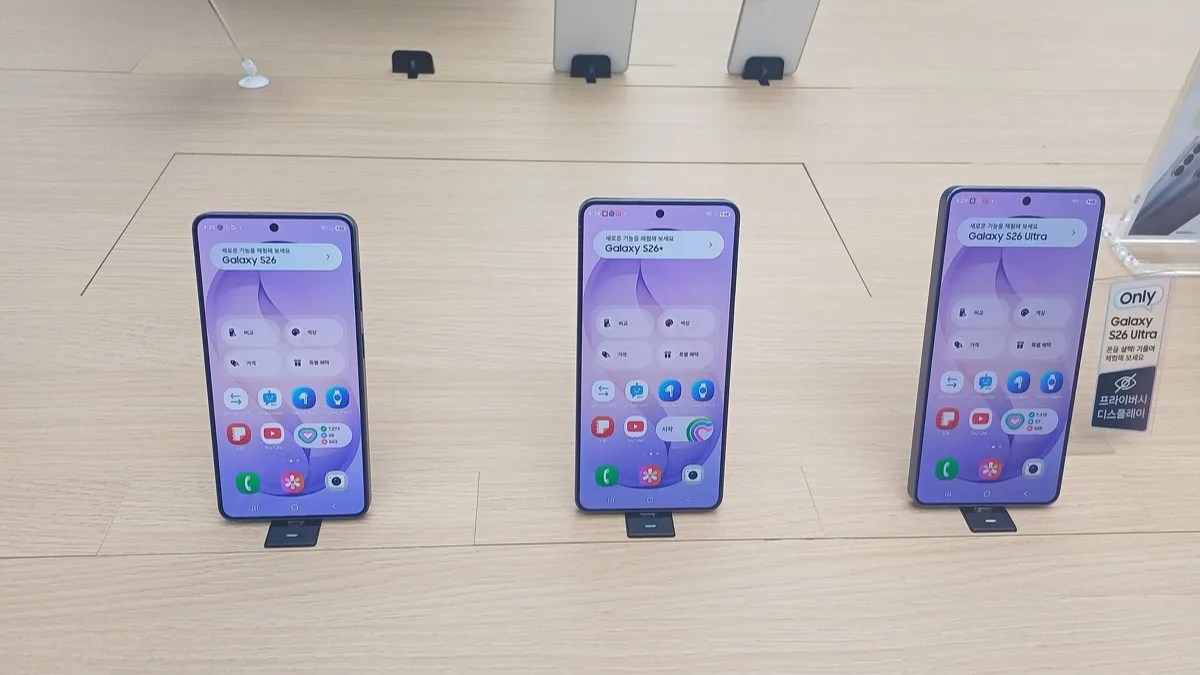
That combination is the story. Samsung did not sell fewer phones; it made less on each one. Revenue rose year on year on the back of the Galaxy S26 series and continued momentum for the cheaper Galaxy A line, and the division still slipped into the red because the parts inside those phones have become dramatically more expensive.
Memory is the culprit
Samsung pointed to elevated component cost pressure across the industry, which in practice means DRAM and NAND flash. The AI build-out has soaked up memory supply and sent contract prices climbing through 2026, and phone makers are competing for the same chips as data-centre buyers who can pay far more.
There is an awkward symmetry here: the memory boom that is pouring profit into Samsung's semiconductor business is the same force squeezing its handset business. Samsung is one of the very few companies that sits on both sides of that trade, and its own phone division is now being billed at crisis-era rates.
Why this matters more than a normal earnings miss
Until now, the memory squeeze has reached buyers as warnings and price notices rather than hard numbers. Google's devices chief has already confirmed that Pixel 11 pricing is going up because RAM costs spiked, and Qualcomm has told customers that Snapdragon prices rise on shipments from September 1.
Samsung's results are the first time the pressure has shown up as an actual loss on a major manufacturer's books. A company with the scale to make its own memory, displays and, in many regions, its own chipsets could not absorb it. Rivals who buy every one of those parts on the open market have less room, not more.
What Samsung plans to do about it
For the second half of the year, Samsung says it will lean on higher-value products — Ultra-class flagships and foldables — and pursue efficiency measures to offset rising costs. In plain terms, that points to a strategy of protecting margin on expensive devices rather than defending volume at the bottom of the range.
For buyers, the practical implications are worth spelling out:
- Cheap phones are the most exposed. A budget handset has little margin to give up, so memory costs land hardest there. Expect fewer aggressive spec bumps in the A series than in past years.
- Base configurations may get stingier. When RAM and storage are the expensive parts, holding a price often means holding a tier — the generous base storage of recent years is the easiest thing to quietly trim.
- Flagships absorb increases better. Samsung's stated focus on Ultra models and foldables suggests those lines keep their specifications, with the cost passed through in the sticker price.
- Existing models are not automatically safe. Google has already applied increases to devices that were already on sale, so a current-generation phone getting more expensive is a real possibility rather than a hypothetical.
What to watch next
The next real test is Samsung's 2027 flagship cycle, which is when the current memory contracts fully work through into a product designed under them. Anyone tracking what is expected of the Galaxy S27 should treat pricing rumours with more weight than usual this year — cost, not competition, is setting the agenda.
If you have been putting off an upgrade, the reasoning has shifted. For most of the last decade, waiting meant getting more for the same money. In this cycle, waiting has a genuine chance of meaning the same phone for more money, or the same money for less storage. That is not a reason to panic-buy, but it is a reason to stop assuming next year's deal will be better.
One quarter, not a verdict
A single loss-making quarter does not put Samsung's phone business in trouble. The division is enormous, the S26 line sold well, and the group as a whole is being carried by the same memory prices hurting the handset side. What the number does establish is that the component crunch has stopped being a supplier-side story and started showing up in the accounts of the companies that build the phones — and eventually, on the shelf.
Frequently Asked Questions
How much money did Samsung's mobile division lose?
Samsung's Mobile eXperience and Networks businesses reported an operating loss of 0.7 trillion won, or roughly $480 million, on revenue of 33.2 trillion won for the second quarter. It is the first operating loss the mobile division has ever posted.
Did Samsung lose money because phone sales fell?
No. Revenue actually grew year on year, helped by the Galaxy S26 series and strong Galaxy A series sales. The loss came from margin compression: the components inside each phone, particularly memory, cost far more than they did a year ago.
Why are RAM and storage chips so expensive in 2026?
Demand from AI data centres has absorbed a large share of DRAM and NAND supply, pushing contract prices sharply higher. Phone makers are bidding for the same memory as buyers who can justify paying much more per chip, so handset costs have risen across the industry.
Will Galaxy phones get more expensive?
Samsung has not announced specific price rises tied to these results, but it has said it will focus on higher-value products such as Ultra flagships and foldables and pursue efficiency measures to offset costs. Other manufacturers have already raised prices citing memory costs, so increases across the market are a reasonable expectation.
Should I buy a phone now or wait?
If you need a phone, the usual advantage of waiting is weaker this cycle. Component costs are rising rather than falling, so a later purchase may mean paying more or accepting a smaller base storage tier for the same money. If your current phone is fine, there is no urgency — just do not count on prices improving.