Xiaomi Raises Japan Prices Up to ¥20,000 as It Says RAM Costs Are Unbearable

Xiaomi is raising prices on 11 phones and tablets in Japan by as much as ¥20,000 (about $137), and it is blaming memory chips it says it can no longer afford to absorb. The increases hit Xiaomi 17T Pro, the entire Poco X8 Pro line, and four tablets, with the changes starting September 1.
The company announced the hikes through Xiaomi Japan's official X account, stating plainly that the recent cost increases have reached a level that is difficult for us to absorb through our own efforts alone.
It is the most direct admission yet from a major phone maker that the ongoing memory shortage is now showing up on price tags rather than just profit margins.
Which models are affected, and by how much
The Poco X8 Pro series takes the steepest hit. Every configuration of the Poco X8 Pro and X8 Pro Max rises by a flat ¥20,000, which is roughly 30 percent on the entry-level 8GB/256GB Poco X8 Pro that currently sells for ¥59,980. Those Poco increases take effect September 4, three days after the rest of the lineup.
- Xiaomi 17T Pro (12GB/256GB): ¥119,800 → ¥139,800
- Xiaomi 17T Pro (12GB/512GB): ¥139,800 → ¥159,800
- Poco X8 Pro (8GB/256GB): ¥59,980 → ¥79,980
- Poco X8 Pro (8GB/512GB): ¥69,980 → ¥89,980
- Poco X8 Pro (12GB/512GB): ¥74,980 → ¥94,980
- Poco X8 Pro Max (12GB/256GB): ¥79,980 → ¥99,980
- Poco X8 Pro Max (12GB/512GB): ¥89,980 → ¥109,980
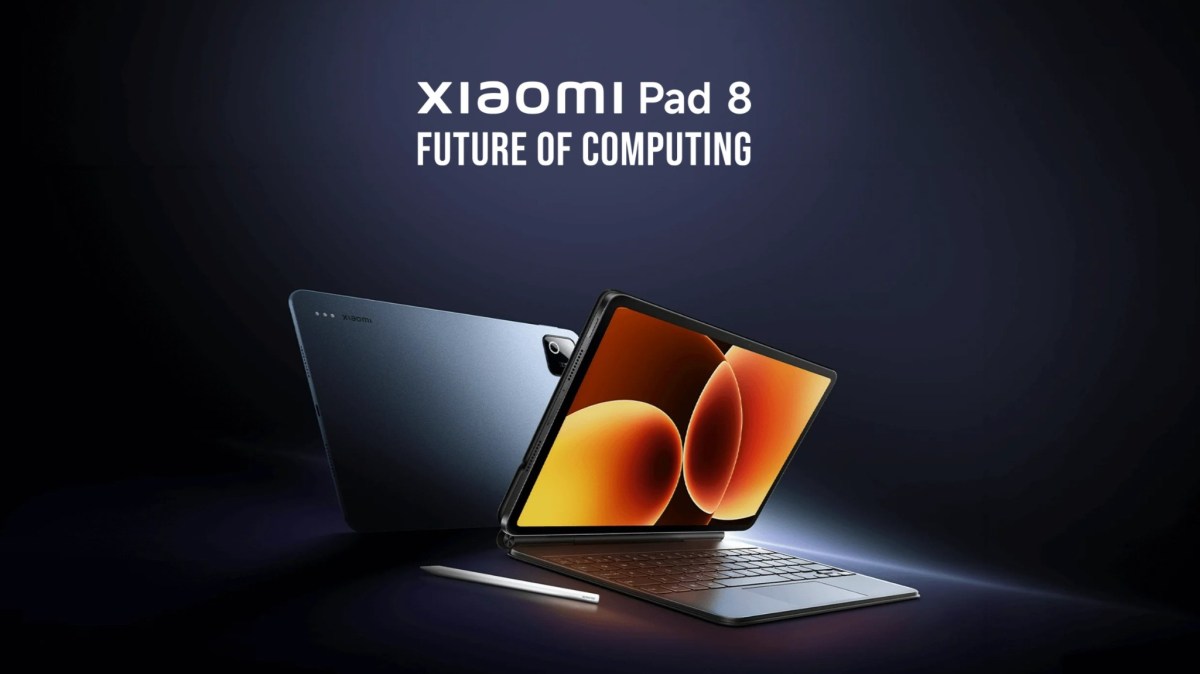
Four tablets are also going up on September 1: the Xiaomi Pad 8 Pro rises by ¥10,000 on the 12GB/512GB model and ¥5,000 on the 8GB/128GB model, while the Redmi Pad 2 Pro and Redmi Pad 2 add ¥2,000 and ¥3,000 respectively. All figures are Xiaomi Japan's own listed yen prices, not converted from another currency, so shoppers outside Japan should not assume the same percentage applies to their market.
Why memory is suddenly this expensive
The increases track a broader squeeze on DRAM and NAND flash that has been building through 2026 as AI data center demand pulls memory supply away from consumer devices. Contract prices for the 8GB-plus configurations common in mid-range phones have climbed sharply enough that memory's share of a phone's total component cost has roughly doubled from its typical range, eating directly into the thin margins budget and mid-range devices depend on.
Xiaomi is more exposed to that shift than most of its rivals. More than half of the phones it sells worldwide are priced under $200, a segment where a $20-plus jump in memory cost per unit is much harder to absorb than on a flagship with room to spare. The company's most recent quarterly results already showed the strain, with adjusted net profit down sharply year over year and smartphone shipments falling as well.
Should you buy before September 1?
If you are in Japan and were already planning to buy one of the affected Xiaomi or Redmi models, ordering before September 1 locks in the current price. Poco X8 Pro and X8 Pro Max buyers have a few extra days, since those increases do not land until September 4. Retailers that still have old-price stock on shelves may honor it past the official date, but Xiaomi's own store and site will switch over on schedule.
Xiaomi has not said whether these increases will extend to other markets, but the memory shortage driving them is global, not specific to Japan. Qualcomm told phone makers its chip prices are rising from September 1 as well, and Google already raised the Pixel 11's price over the same RAM cost spiral. Anyone shopping for a new Android phone this fall should expect more of these announcements before the shortage eases.
Related reading
Frequently Asked Questions
How much are Xiaomi prices going up in Japan?
Xiaomi is raising prices on 11 phones and tablets in Japan by up to ¥20,000 (about $137). The Poco X8 Pro line takes the steepest hike at a flat ¥20,000 across every configuration, while tablets rise by ¥2,000 to ¥10,000.
When do the Xiaomi price increases take effect?
Xiaomi 17T Pro and the four affected tablets go up on September 1, 2026. The Poco X8 Pro and X8 Pro Max increases start three days later, on September 4, 2026.
Why is Xiaomi raising prices now?
Xiaomi says the cost of memory chips has risen to a level it can no longer absorb without passing it on. Contract DRAM and NAND prices have climbed sharply through 2026 as AI data centers pull supply away from consumer devices, squeezing thin margins on budget and mid-range phones especially hard.
Will the price increase reach other countries besides Japan?
Xiaomi has only confirmed the hikes for Japan so far, announced through Xiaomi Japan's official account. The memory shortage driving the increase is global, and other phone makers including Qualcomm and Google have already raised prices for the same reason, so further country-specific announcements are possible.
Which Poco X8 Pro model is affected the most?
The entry-level Poco X8 Pro with 8GB of RAM and 256GB of storage sees the largest percentage increase, rising from ¥59,980 to ¥79,980 — close to a 30 percent jump — since every Poco X8 Pro configuration gets the same flat ¥20,000 increase regardless of price.