Framework Cuts Laptop 13 Pro RAM Prices and Refunds Buyers Through Batch 10
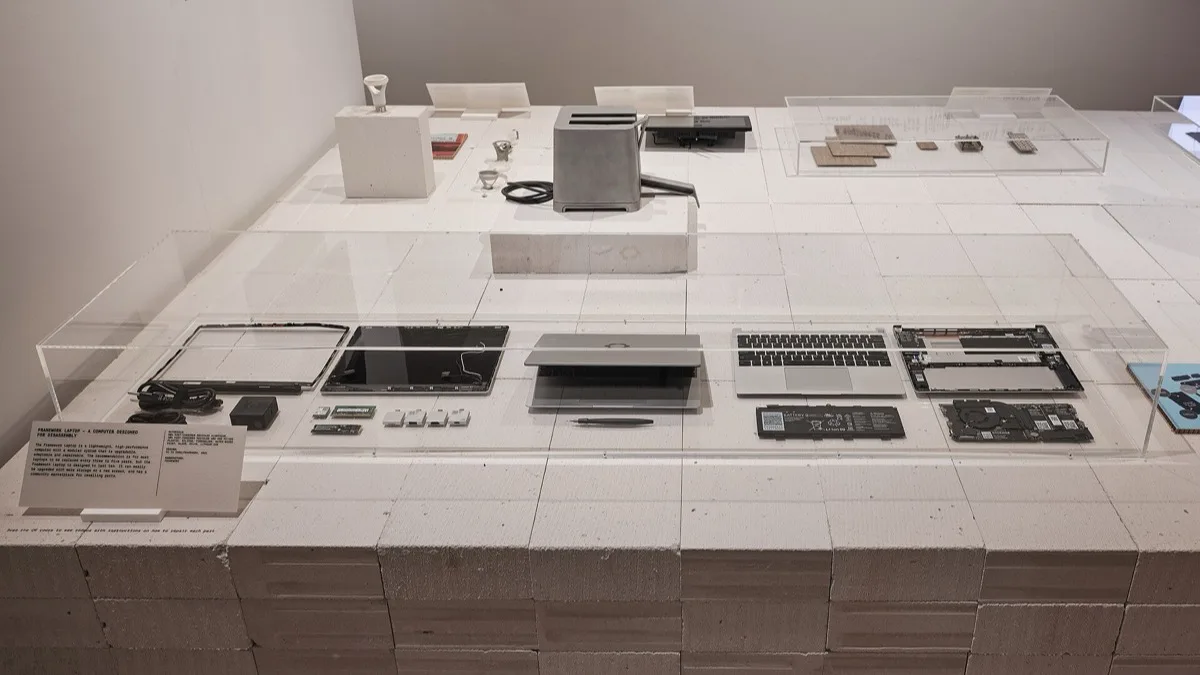
Framework has reversed part of the memory price increase it imposed on the Laptop 13 Pro in July, and it is refunding customers who already paid the higher figure. In a blog post published Wednesday, the company said its supply chain team secured a limited batch of Micron 32GB and 64GB LPCAMM2 modules at lower cost, and that the savings are being passed back to buyers in pre-order batches 1 through 10 — including people whose laptops have already shipped.
What you actually pay now
Framework has not published a flat new price list, because the reduction is applied per order rather than as a store-wide change. What the company did say is that the new costs sit above the original pre-order launch baseline but below the prices set in the July update.
Those July numbers are the reference point worth remembering. On 22 July, Framework raised the 32GB LPCAMM2 module from $439 to $800 and the 64GB module from $849 to $1,600, after its supplier quoted costs more than double what the company had paid for earlier inventory. The 16GB module held at $239. So the September adjustment claws back part of a near-doubling, not all of it.
One detail narrows who this affects more than the headlines suggest: LPCAMM2 is used only in the Intel Core Ultra Series 3 configuration of the Laptop 13 Pro. Machines built on AMD's Ryzen AI 300 chips use standard SO-DIMMs and are untouched by this change.
How the refund reaches you
Nothing here requires you to file a claim. Framework said the adjustments are automatic, and they split three ways depending on where your order sits:
- Already shipped: Framework issues a refund for the price difference on its own, with no action from you.
- Pending pre-order: the order price is reduced automatically. If you now want a different memory capacity at the new pricing, you can change it from the order summary page.
- DIY Edition already delivered: owners who want to swap up to a 32GB or 64GB LPCAMM2 module at the lower price can request an exchange through a contact form, with return shipping covered.
The catch is supply. Framework only bought a limited quantity of these cheaper modules, and it is allocating them first-come, first-served to customers through Batch 10. If the company sources more at the same cost, it said it will open the pricing to later batches and then to new pre-orders. Until then, someone ordering today does not get it.
The processor half of the announcement is less cheerful
The same post carried a second update that has drawn less attention: a new pre-order allocation of Intel Core Ultra X9 processor options is opening to existing pre-order customers through Batch 10, shipping in November 2026 — but at a higher price than before, because Framework's own acquisition cost for the chip went up.
That is the shape of the whole announcement. Memory got cheaper for one batch of inventory; silicon overall did not. Framework said memory and storage prices are still trending gradually upward, with sharp movement on individual parts and brands, and it repeated its stated policy of raising prices only to cover its own cost increases.
Why a laptop maker is talking about RAM at all
Memory pricing has become a consumer story this year in a way it has not been for a decade. Datacenter demand for AI hardware has pulled supply away from the PC and phone market, and the knock-on effects have been visible everywhere: Xiaomi raised Japanese phone prices by as much as ¥20,000 and blamed memory costs directly, while DDR5 kits have been targeted by scalper bots in the retail channel. Chip pricing is moving too, with Intel reportedly set to raise CPU prices again in October.
Against that backdrop, a maker voluntarily handing money back on orders it had already collected on is unusual. It is also narrow: one component, one processor family, one batch of stock, and a cutoff at Batch 10.
Frequently Asked Questions
Do I need to request the Framework memory refund?
No. Framework said the refunds are issued automatically for orders that already shipped at the higher LPCAMM2 price, and pending pre-orders have their price adjusted without customer action. The one exception is DIY Edition owners who want to physically swap to a larger module, who need to submit a contact form.
Which Framework Laptop 13 Pro configurations use LPCAMM2 memory?
Only the Intel Core Ultra Series 3 version of the Laptop 13 Pro uses LPCAMM2 modules. Configurations built on AMD Ryzen AI 300 processors use conventional SO-DIMM memory instead, so they are not affected by this pricing change.
How much did Framework raise LPCAMM2 prices in July?
On 22 July 2026 Framework moved the 32GB LPCAMM2 module from $439 to $800 and the 64GB module from $849 to $1,600. The 16GB module stayed at $239. The company said its supplier had quoted costs more than double what it paid for previous inventory.
Can I get the lower Framework memory price on a new order?
Not yet. The cheaper modules are being allocated first-come, first-served to existing customers in pre-order batches 1 through 10. Framework said that if it can source more stock at the same cost it will extend the pricing to later batches and then to new pre-orders.
Is the Core Ultra X9 option getting cheaper too?
No, the opposite. Framework is opening a new Core Ultra X9 pre-order allocation to existing customers through Batch 10, shipping in November 2026, but at a higher price because the company's own cost for the processor increased.