Qualcomm Tells Phone Makers Snapdragon Prices Rise From September 1

Qualcomm has written to its customers to say that Snapdragon chip prices are going up, and the new pricing applies to everything shipped after September 1, 2026. The company told device makers it has run out of room to absorb what its own suppliers are charging, which means the increase is being handed straight down the chain to the companies that build Android phones.
That matters to buyers because Qualcomm supplies the processor in most premium Android hardware. A cost increase at the chip level does not stay at the chip level for long.
How big is the increase, actually
This is where published accounts diverge, and it is worth being precise rather than picking the scariest number. The customer letter was described in reports as raising prices by "double digits" — so at least 10 percent. A separate account put the range lower, at roughly 5 to 10 percent, and said the figure varies by chip and by how much volume a customer buys.
Both can be true at once. Large buyers negotiating in bulk sit at the softer end; smaller brands with less leverage sit at the harder end. Qualcomm itself has not published a percentage, so treat any single number as an estimate rather than a confirmed rate.
For scale, the previous flagship generation was reported to have already climbed around 30 percent over the part before it. This is not a one-off correction — it is the latest step in a run of increases.
Why it is happening
The stated reason is supplier cost. Qualcomm designs its chips but does not manufacture them, and the foundry and memory markets have both tightened sharply as AI data centre construction soaks up capacity. Reports indicate Qualcomm looked at sourcing components elsewhere and could not make the alternatives work.
This is the same squeeze from a different angle to the one Google described when it confirmed Pixel prices are rising because of memory costs. That story was about RAM and one manufacturer's own lineup. This one is about the processor supplier raising prices across the whole Android industry at once — the two stack on top of each other in the same bill of materials.
Which devices are affected
Snapdragon parts go well beyond phones, so the reach is wider than most component stories:
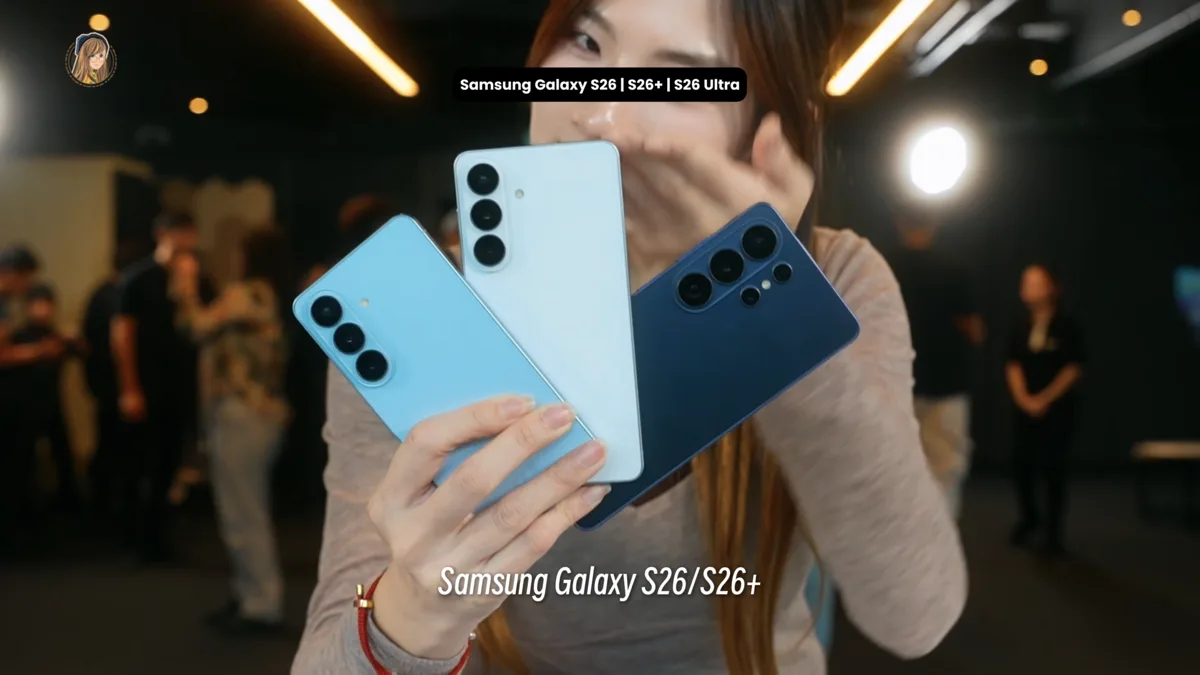
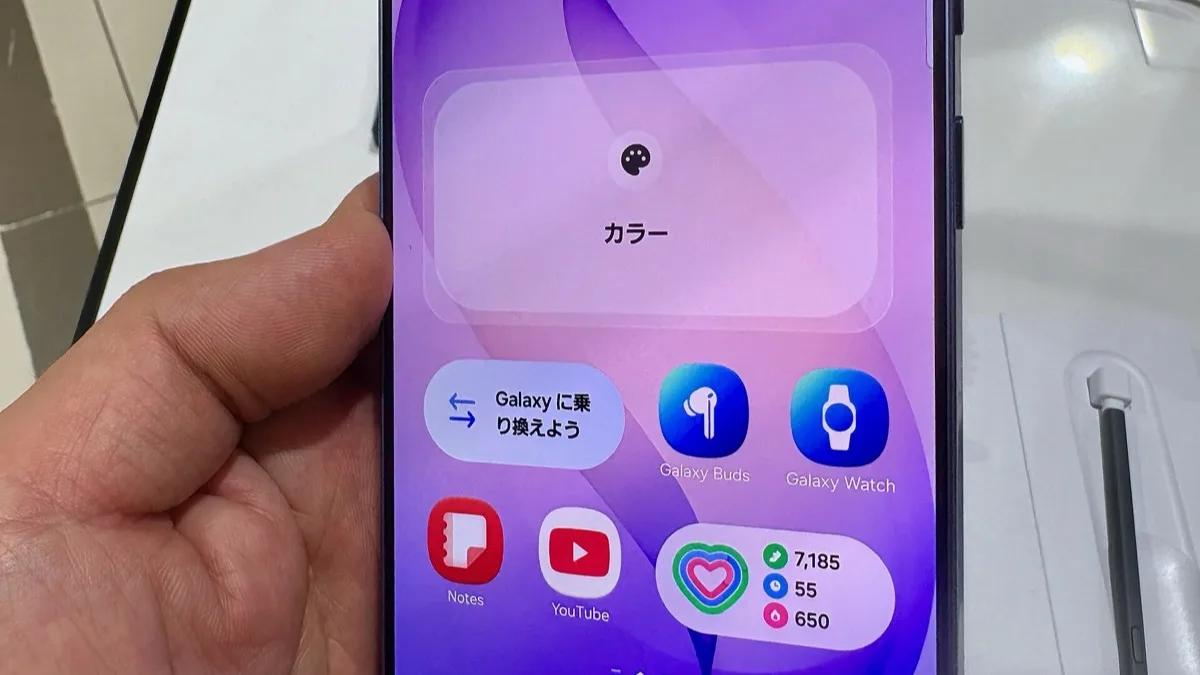
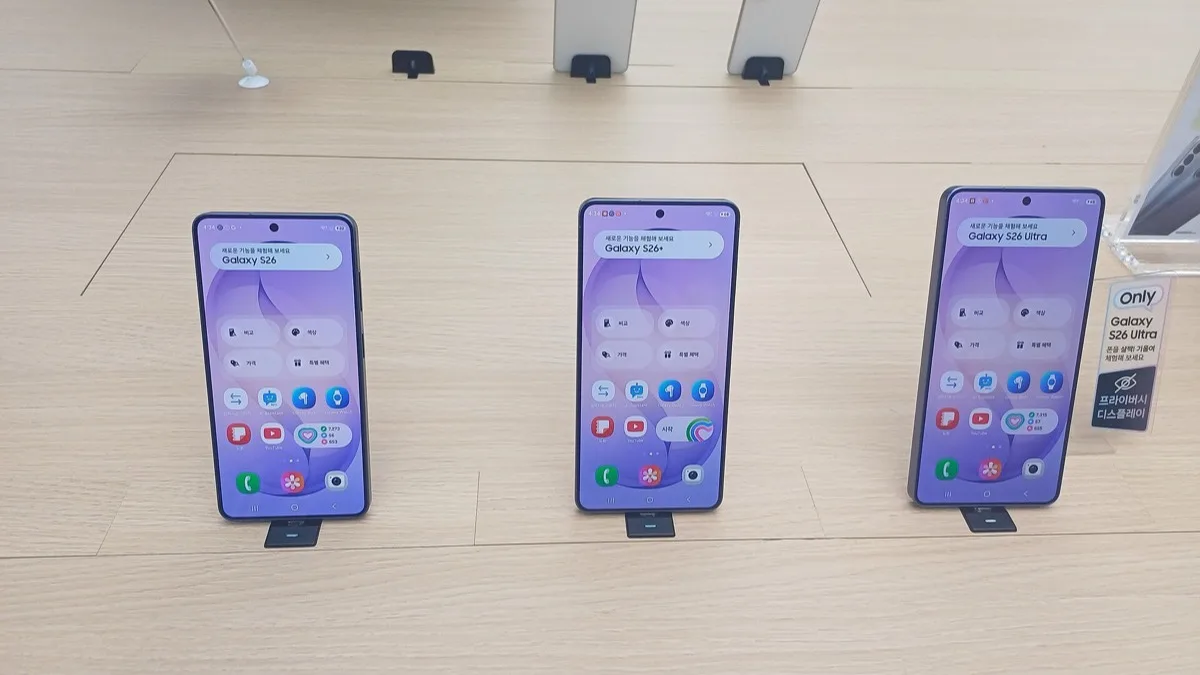
- Flagship Android phones — the Samsung, Xiaomi and OnePlus tier that leans on Snapdragon silicon.
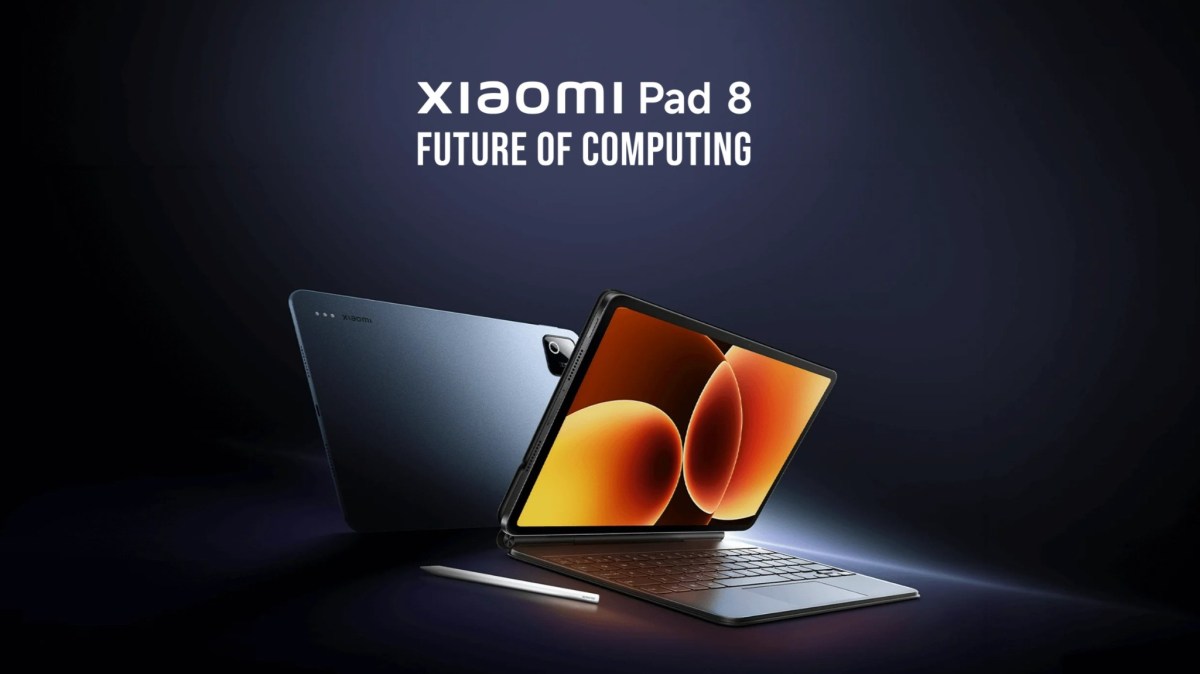
- Foldables and premium tablets using the same flagship chips.
- Windows laptops built on Snapdragon processors.
- Wearables and smart glasses, including Snapdragon-powered watches and headsets.
- Wireless earbuds using Qualcomm audio silicon.
One clarification worth making: the September 1 date is when Qualcomm's new pricing takes effect on shipments, not the date phone prices change. Manufacturers buy chips months before a handset reaches shops, so devices already in the pipeline for late 2026 were largely priced under the old terms.
When you would actually feel it
The practical answer is 2027. Phones announced this autumn were designed and costed well before this letter went out. It is the generation after — flagships whose component contracts get signed after September — where the increase has the clearest path into a retail price.
Analysts quoted in coverage of the letter expect the underlying supply constraints to persist into 2027, so this is unlikely to be a single bump that unwinds quickly.
What this means if you are buying a phone
Nothing here requires panic, but the timing does change the calculation slightly:
- If you were already planning an upgrade this year, current-generation stock is priced under the old terms. Waiting a year is more likely to cost more than to save money.
- If your phone is fine, none of this is a reason to replace it. Component pricing does not affect the device you already own.
- Look one tier down. Mid-range Snapdragon phones have narrowed the real-world gap to flagships considerably — our roundup of value Snapdragon flagships still worth buying is a reasonable starting point.
- Expect quieter cuts, not just higher stickers. Manufacturers often protect a headline price by trimming elsewhere — charger in the box, base storage, or how long a promotional discount lasts.
The competition problem underneath it
The reason device makers have limited room to push back is that there is no easy substitute at this tier. Rival silicon has not yet demonstrated it can supply advanced parts at the scale and consistency the largest phone brands need. Until that changes, Qualcomm sets the price and the industry absorbs it — or passes it on.
Samsung's next flagship cycle will be the first real test of how much of this reaches shoppers, and early Galaxy S27 leaks are worth reading with that in mind rather than as settled pricing.
Frequently Asked Questions
How much is Qualcomm raising Snapdragon prices?
Qualcomm has not published a figure. Reports describing the customer letter put the increase in double digits, meaning at least 10 percent, while another account gave a narrower 5 to 10 percent range that varies by chip and by customer volume. Large buyers with more negotiating power are expected to land at the lower end.
When does the Snapdragon price increase take effect?
The new pricing applies to chips shipped after September 1, 2026. That is the date Qualcomm bills its customers differently, not the date phones get more expensive. Handsets already in production were costed under the previous terms.
Will my next Android phone cost more because of this?
Probably, but not immediately. Phones launching in late 2026 were largely priced before this change. Devices arriving through 2027 are the ones whose component contracts fall after the September deadline, so that is where the increase has the clearest route to a retail price.
Why is Qualcomm raising prices now?
Qualcomm says it has exhausted its ability to absorb higher costs from its own suppliers. Foundry capacity and memory supply have both tightened as AI data centre construction consumes semiconductor output, and reports indicate Qualcomm could not source acceptable alternatives elsewhere.
Does this affect anything besides phones?
Yes. Snapdragon silicon also powers Windows laptops, premium tablets and foldables, some smartwatches and smart glasses, and wireless earbuds using Qualcomm audio chips. All of those categories draw on the same parts and are exposed to the same increase.