Prime Video Turns On AI Lip-Sync for Maxton Hall Seasons 1 and 2 Today
Prime Video switched on a new Prime Video lip-sync feature today, and the first show to get it is Maxton Hall. Seasons 1 and 2 now stream worldwide with the German cast's mouth movements digitally reshaped to match the English dub, so the lips stop moving when the English dialogue stops.
The audio itself is still recorded by human voice actors. What Amazon has added is a visual layer: AI and VFX tools redraw the on-screen lip movements to line up with that recorded dub. The company calls it visual dubbing, and it says the same treatment will arrive with Maxton Hall Season 3 when the final season premieres on 9 December.
What actually changes when you press play?
Nothing, if you watch in German. The change only shows up on the English dub, which is the version most viewers outside German-speaking markets get by default. Pick English audio on Season 1 or Season 2 and the actors' mouths now track the words you are hearing rather than the words they originally said on set.
There is no setting to hunt for and no separate audio track to select. Amazon has applied the effect to the existing English dub, so the change is already baked into what plays. Subtitles, original German audio and every other language option are untouched.
- Live now: Maxton Hall Seasons 1 and 2, English dub, globally
- Coming 9 December: Season 3, the show's final run, with the feature included from day one
- Audio: still performed by human dub actors, not synthesised
- Cost: nothing extra — it is part of the standard Prime Video catalogue
Why did Amazon start with this show?
Maxton Hall is Prime Video's most-watched international original series ever, according to the company. It is a German young-adult drama adapted from Mona Kasten's novels, and it found a very large audience outside Germany — exactly the profile of a title where dubbing quality decides whether people finish it.
That is the commercial logic here. Non-English shows have become a real growth channel for every streamer, and the visible mismatch between mouth and voice has always been the friction point for viewers who will not read subtitles. Fixing the picture rather than the sound is a cheaper way at that problem than reshooting anything.
Is this replacing voice actors?
Not on the evidence available. Amazon's own description is explicit that the audio is human-dubbed and that the AI and VFX work sits on top of the video. Raf Soltanovich, vice president of technology at Prime Video and Amazon MGM Studios, said the process runs "under creative oversight to ensure the integrity of their artistic vision is preserved," without spelling out who signs off on a given title.
What has not been said is just as worth noting. Amazon has not published which titles come next, has not named the languages beyond English, and has not said whether creators can opt out. Those are open questions rather than confirmed limits.
Where does this sit against the rest of the streaming AI push?
Amazon has been testing AI in the dubbing pipeline for a while — last year it trialled AI-generated dubs into English and Latin American Spanish on a limited slate. Lip-sync is the visual half of the same effort, and it is the half viewers will actually notice.
It also lands in a week when the platform race is being fought on features rather than catalogue size. Rivals have leaned on pricing and packaging — see the recent Netflix UK price increase and the arrival of bundled services such as Vodafone TV in the UK. Amazon is instead pitching picture quality and presentation, the same argument behind its HDR10+ Advanced rollout on Samsung TVs.
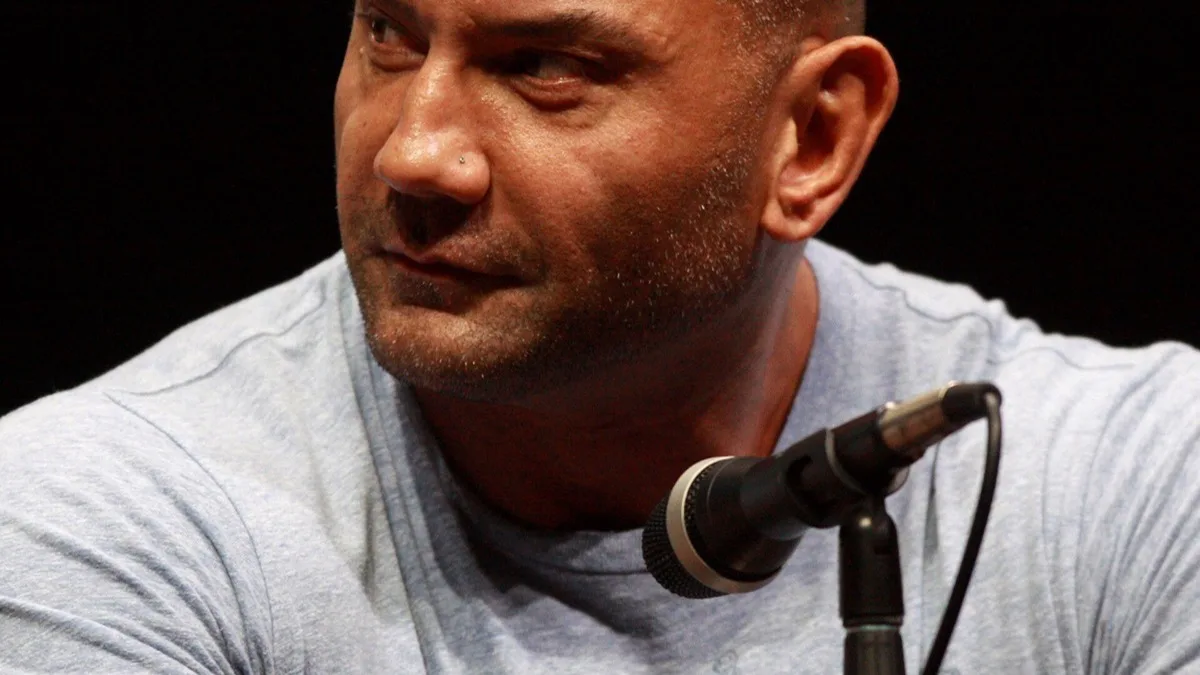
For Prime Video specifically, the next big swing is scripted rather than technical: the platform's God of War series with Dave Bautista is still in production. If lip-sync works quietly on Maxton Hall, expect it to turn up on a much bigger title without an announcement.
If you want to judge it yourself, the fastest test is to play a dialogue-heavy scene from Season 1 in English, then switch the audio to German mid-scene. The mouths will visibly change. Whether that reads as an improvement or as slightly uncanny is going to be a personal call, and it is one a lot of viewers are about to make for the first time. Anyone building out a streaming setup can compare it against the rest of the field in our roundup of the best Android apps of 2026.
Frequently Asked Questions
Does Prime Video's lip-sync feature use AI voices?
No. The dubbed audio is still performed by human voice actors. The AI and VFX work only alters the actors' lip movements in the video so they match the dubbed dialogue. Amazon describes the process as visual dubbing.
Which shows have Prime Video lip-sync right now?
Only Maxton Hall. Seasons 1 and 2 have it from 9 September 2026 in English, worldwide, and Season 3 will include it when the final season premieres on 9 December. Amazon says more titles will follow but has not named them.
Can I turn Prime Video's lip-sync off?
There is no toggle for it. The effect is applied to the English dub itself, so the only way to see the original performances is to switch the audio track to German and use subtitles. Every other language track is unchanged.
Does the lip-sync feature cost extra on Prime Video?
No. It is part of the standard Prime Video catalogue at no additional charge, and it works on the same devices and plans you already use. No separate tier or add-on is involved.
When does Maxton Hall Season 3 come out?
Season 3 premieres exclusively on Prime Video on 9 December 2026. It is the final season, based on Mona Kasten's 2018 novel Save Me, and it will ship with the lip-sync feature from launch.