Best VoIP Apps for iPhone in 2026: 9 Picks Tested (Free & Paid)
The best VoIP app for iPhone in 2026 is Google Voice for most people. It gives you a free second US phone number with unlimited calls and texts to the US and Canada, voicemail transcription, and no ads — and if you outgrow the free tier, business plans start at just $10 per user a month. Want a free number with zero Google account strings attached? TextNow hands you one in about two minutes (with ads). Running a business from your iPhone? Quo (the app formerly known as OpenPhone) is the modern business-phone pick, from $15 per user a month.
One thing this guide will not recommend: Skype. Microsoft shut Skype down on May 5, 2025, and a lot of older "best VoIP" lists still push it. We cut it, along with every other dead or stagnant app, and re-verified the pricing on every pick below in August 2026.
In a hurry? Jump to: Google Voice (best overall) · TextNow (best free number) · Quo / OpenPhone (best for business) · what replaced Skype · pricing comparison table
What a VoIP App Actually Does on an iPhone
A VoIP (voice over IP) app routes your calls over the internet — Wi-Fi or cellular data — instead of your carrier's voice network. On an iPhone that unlocks three practical things:
- A second number for work, selling online, or dating apps, without a second SIM or phone.
- Cheap or free international calls, since the internet does not care about country borders the way carriers do.
- Calls where you have no bars — any Wi-Fi connection works, which is why VoIP apps shine in basements, on planes, and abroad.
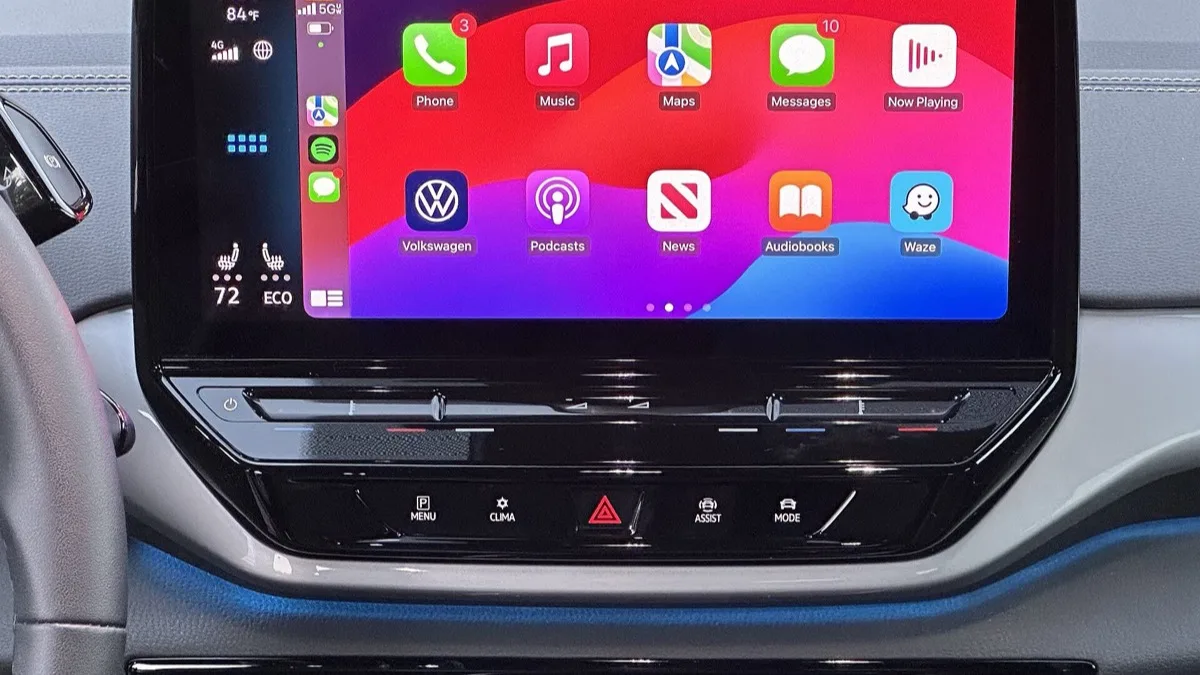
Thanks to Apple's CallKit, good VoIP apps ring like normal calls on the lock screen and show up in your recent-calls list, so day to day they feel native.
The 9 Best VoIP Apps for iPhone in 2026
1. Google Voice — Best overall (free US number, no ads)
Google Voice remains the pick for most people because the free personal tier is genuinely complete: a real US phone number, unlimited calls and texts to the US and Canada, voicemail with surprisingly good transcription, call screening, and spam filtering — with no ads anywhere. Calls ring on your iPhone, your iPad, and in a browser tab at the same time.
The catches: the personal tier is US-only (you need a US number to sign up), and texting support to short codes is spotty, so some banks' verification texts will not arrive. For business use, Google Voice for Workspace starts at $10 per user a month (Starter), which is the cheapest credible business VoIP tier on this list.
Best for: anyone in the US who wants a free, ad-free second number that just works.
2. TextNow — Best truly free number (ad-supported)
TextNow gives you a free US number with unlimited calling and texting in about two minutes, no payment method required. The trade-off is ads inside the app; removing them costs $9.99 a month (Ad Free+). TextNow also doubles as a free phone carrier — it sells a SIM/eSIM with free basic nationwide service, which no other app here offers.
Know the fine print: free numbers are reclaimed if you go inactive (a paid Number Lock add-on prevents this), and like Google Voice, some short-code verification texts will not come through.
Best for: a free throwaway or secondary number without touching your Google account.
3. Quo (formerly OpenPhone) — Best business phone app
OpenPhone rebranded to Quo, and it is the business pick here for the same reasons OpenPhone was: a clean iPhone app, shared numbers and inboxes so a small team can answer one line together, call recording, AI call summaries, and properly registered business texting (10DLC), which keeps your texts from being carrier-filtered as spam. Plans start at $15 per user a month on annual billing.
Best for: startups and small teams who live on their iPhones and need a real business line.
4. Zoiper — Best SIP softphone (bring your own provider)
Zoiper is different from everything else here: it is a SIP client, meaning it is just the phone — you plug in credentials from any SIP/VoIP provider (a cheap wholesale carrier, your office PBX, a home Asterisk box) and Zoiper makes the calls. The iPhone app is free, with paid unlocks sold as in-app purchases from about $1.49 to $12.99 for things like better codecs; the desktop Pro version is a $49.95 one-time license.
This is the power-user route: pair Zoiper with a pay-per-minute SIP provider and international calls can cost a fraction of a cent per minute. But there is setup involved, and it is only as good as the provider behind it.
Best for: tinkerers and anyone with an existing SIP/PBX account.
5. Grasshopper — Best for solo entrepreneurs
Grasshopper layers a professional front — business number, extensions, custom greetings, virtual receptionist, business texting — on top of your existing iPhone. Pricing is flat rather than per-user, starting at around $14 a month (True Solo, annual billing) for one number and one user, with plans that scale up to unlimited users on one bill.
It is not trying to be a full unified-communications suite — no video meetings, light integrations — and that simplicity is the appeal.
Best for: one-person businesses that want to sound bigger than they are.
6. WhatsApp — Best for free international calls
If the person you are calling also has WhatsApp — and outside the US, they almost certainly do — calls and video are free, end-to-end encrypted, and work on any connection. It uses your existing phone number, so there is nothing to configure.
The limits: both sides need the app, and you cannot call regular phone numbers at all. It replaces international calling, not your phone line.
Best for: staying in touch with family and friends abroad for free.
7. FaceTime — Best if everyone you call has an iPhone
FaceTime is already on your iPhone, free, end-to-end encrypted, and delivers the best audio and video quality on this list when both ends are on Apple hardware. FaceTime Audio over Wi-Fi is an underrated substitute for a phone call when you have no signal. Android and Windows users can join via a web link, but they cannot start calls, and FaceTime cannot dial real phone numbers.
Best for: Apple-to-Apple households.
8. Signal — Best for privacy
Signal is the privacy pick: free, open source, run by a nonprofit, with end-to-end encrypted calls and video and near-zero metadata retention. You can now connect with a username instead of revealing your phone number. Like WhatsApp, it only calls other Signal users — no real-number dialing.
Best for: anyone who treats call privacy as the top requirement.
9. RingCentral — Best full phone system for larger teams
When a business outgrows Quo or Grasshopper — think call queues, IVR menus, analytics dashboards, hundreds of integrations, and admin controls — RingCentral is the established heavyweight, starting at around $20 per user a month on annual billing with video meetings included. The iPhone app is polished, but the platform's depth is aimed at IT-managed teams, not solo users.
Best for: companies of 10+ that need a real cloud phone system.
Also Read: Best AI Apps for iPhone
Skype Is Dead: What to Use Instead
Microsoft retired Skype on May 5, 2025, after more than two decades, pushing users toward Microsoft Teams Free. The problem: free Teams keeps your chats and contacts but does not offer paid calling plans, so the thing many people actually used Skype for — cheap calls to real phone numbers worldwide — has no direct Teams replacement.
Depending on what you used Skype for, here is the 2026 substitute:
- Cheap international calls to landlines/mobiles: Zoiper plus a pay-per-minute SIP provider, or Google Voice's per-minute international rates.
- Free app-to-app calls with family abroad: WhatsApp or Signal.
- A phone number people could call you on: Google Voice (free, US) or TextNow.
- Business calls and meetings: Quo, RingCentral, or Zoom Phone.
VoIP App Pricing Comparison (August 2026)
| App | Best For | Free Tier | Paid Pricing | Calls Real Numbers? |
|---|---|---|---|---|
| Google Voice | Best overall (US) | Yes, full-featured, no ads | Business from $10/user/mo | Yes |
| TextNow | Free number, fastest setup | Yes, ad-supported | Ad Free+ $9.99/mo | Yes |
| Quo (OpenPhone) | Small-business line | Trial only | From $15/user/mo (annual) | Yes |
| Zoiper | SIP power users | Yes (free app) | IAPs $1.49–$12.99; provider rates extra | Yes (via your provider) |
| Grasshopper | Solo entrepreneurs | Trial only | From ~$14/mo flat (annual) | Yes |
| Free international calls | Yes | Free | No (app-to-app) | |
| FaceTime | Apple-to-Apple calls | Yes (built in) | Free | No (app-to-app) |
| Signal | Privacy | Yes | Free (donations) | No (app-to-app) |
| RingCentral | Larger teams | Trial only | From ~$20/user/mo (annual) | Yes |
The split that matters most: WhatsApp, FaceTime, and Signal only call other users of the same app. If you need to dial actual phone numbers, you want Google Voice, TextNow, Quo, Zoiper, Grasshopper, or RingCentral.
How to Pick the Right One
- Just want a free second number in the US? Google Voice (no ads) or TextNow (faster signup, has ads).
- Run a small business from your iPhone? Quo, or Grasshopper if you are solo and want flat pricing.
- Call family overseas? WhatsApp for app-to-app; Zoiper + a cheap SIP provider to reach landlines.
- Privacy first? Signal.
- Everyone you call owns an iPhone? FaceTime is already there.
- Managing a team of 10+? RingCentral.
How We Picked
We installed each app on an iPhone, placed real calls over both Wi-Fi and 5G, and judged call quality, lock-screen (CallKit) integration, and how quickly you can go from App Store install to a working number. We then verified pricing and availability against each vendor's own site and App Store listing in August 2026 — which is how Skype (shut down May 2025) and several stagnant SIP dialers got cut from the old version of this list. Where a service rebranded (OpenPhone to Quo), we confirmed current plan names and prices under the new brand.
Bottom line: start with Google Voice if you are in the US and want a free, ad-free number today; grab TextNow if you want a number with no Google account attached; and pick Quo or Grasshopper the moment the number is for a business. For everything international and personal, WhatsApp and Signal cover it for free. Setting up a new iPhone workflow while you are at it? See our picks for the best AI apps for iPhone and learn how to set any song as a ringtone on your iPhone.
Related reading
Frequently Asked Questions
What is the best VoIP app for iPhone in 2026?
For most people, Google Voice is the best VoIP app for iPhone in 2026: the free personal tier includes a real US number, unlimited US and Canada calling, voicemail transcription, and no ads. TextNow is the fastest way to get a free number without a Google account, Quo (formerly OpenPhone, from $15 per user a month) is the best business pick, and WhatsApp or Signal cover free encrypted app-to-app calling.
Is there a completely free VoIP app for iPhone?
Yes, several. Google Voice gives US users a free number with unlimited US/Canada calls and no ads. TextNow gives anyone a free US number with unlimited calling and texting, supported by ads ($9.99 a month removes them). WhatsApp, FaceTime, and Signal are free too, but they only call other users of the same app, not regular phone numbers.
Can I still use Skype for VoIP calls on iPhone?
No. Microsoft shut Skype down on May 5, 2025, and moved users to Microsoft Teams Free, which does not offer paid calling plans to real phone numbers. For cheap international calls to landlines and mobiles, use Zoiper with a pay-per-minute SIP provider or Google Voice's international rates; for free app-to-app calls, use WhatsApp or Signal.
Do VoIP apps give you a real phone number?
Some do. Google Voice, TextNow, Quo, Grasshopper, and RingCentral all issue you a real number that anyone can call or text from a normal phone. WhatsApp and Signal use your existing number but only connect calls between app users, and FaceTime works from your Apple ID. Zoiper is a SIP client, so your number comes from whichever VoIP provider you connect to it.
Do VoIP calls work on iPhone without cellular service?
Yes — that is one of the main reasons to use one. VoIP calls travel over any internet connection, so every app in this guide works on Wi-Fi with zero cellular bars, including abroad. Call quality tracks your internet connection rather than carrier coverage, so a strong Wi-Fi network usually sounds as good as or better than a regular call.
How much does a business VoIP app for iPhone cost in 2026?
Verified against vendor pricing in August 2026: Google Voice for Workspace starts at $10 per user a month, Grasshopper starts at about $14 a month flat (True Solo, annual billing), Quo (formerly OpenPhone) starts at $15 per user a month on annual billing, and RingCentral starts at roughly $20 per user a month. Solo owners usually do best with Grasshopper's flat pricing; teams that share one inbox do better with Quo.
Will VoIP apps receive verification codes and short-code texts?
Often not, and this is the most common surprise. Banks and many services block texts to VoIP numbers or fail to deliver short-code verification codes to them, and this affects Google Voice and TextNow numbers in particular. Keep your real carrier number for two-factor authentication and use the VoIP number for calls, business, and signups that accept it.
Does VoIP calling use a lot of mobile data?
Voice calls are light — roughly 0.5 to 1MB per minute, so even an hour-long call costs well under 100MB. Video calls are the data hog, easily 10 times more. On a capped plan, the practical rule is to let voice calls run on cellular freely and keep long video calls on Wi-Fi.