Top 3 AI Smartphones to Buy in 2026 (Tested Picks)

The best AI smartphone you can buy in the US right now is the Samsung Galaxy S26 Ultra ($1,299.99), with the Apple iPhone 17 Pro Max ($1,199) the top pick for iOS users and the Google Pixel 10 Pro XL ($1,199, often discounted well below that) the smartest camera and the best value of the three. All three run their AI on a dedicated NPU, so most features happen on-device for faster responses and tighter privacy, and all three are heavily subsidized right now by Verizon, AT&T, and T-Mobile.
AI stopped being a marketing sticker and became the operating system. In 2026, a flagship is judged less by megapixels and more by how well its assistant understands you, edits your photos, summarizes your day, and translates a conversation in real time. Below are the three phones we'd actually spend money on in the US, what each does best, where to buy it, and which one fits you.
In a hurry? Jump to: Galaxy S26 Ultra · iPhone 17 Pro Max · Pixel 10 Pro XL · Specs table · AI face-off · On-device vs cloud · Cheaper picks · US carrier deals · How we picked · FAQ
Best AI smartphones to buy in the US (2026)
These are flagship phones, so none of them are cheap at full retail. What separates them is the AI ecosystem behind each one: Samsung's Galaxy AI (with Google Gemini baked in), Apple Intelligence on iOS, and Google's Gemini-first approach on Pixel. All three AI platforms are fully available on US models with no feature gaps — in fact, several features (like Apple Intelligence at launch and Samsung's Perplexity assistant option) rolled out to US English first. Here's how the three stack up.
1. Samsung Galaxy S26 Ultra - The overall best AI phone
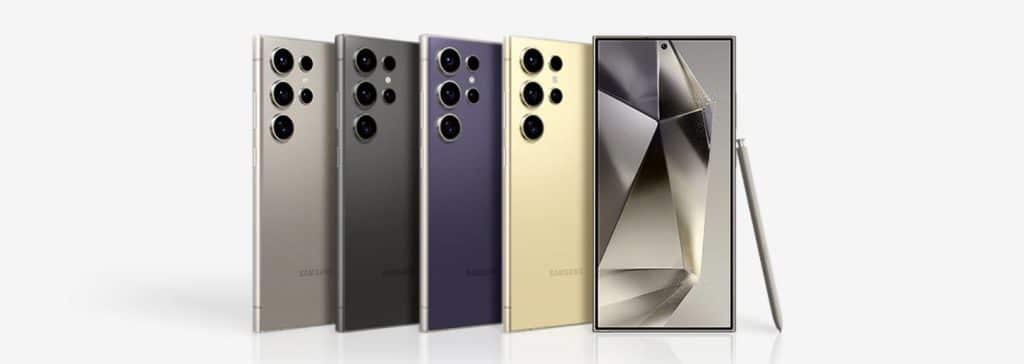
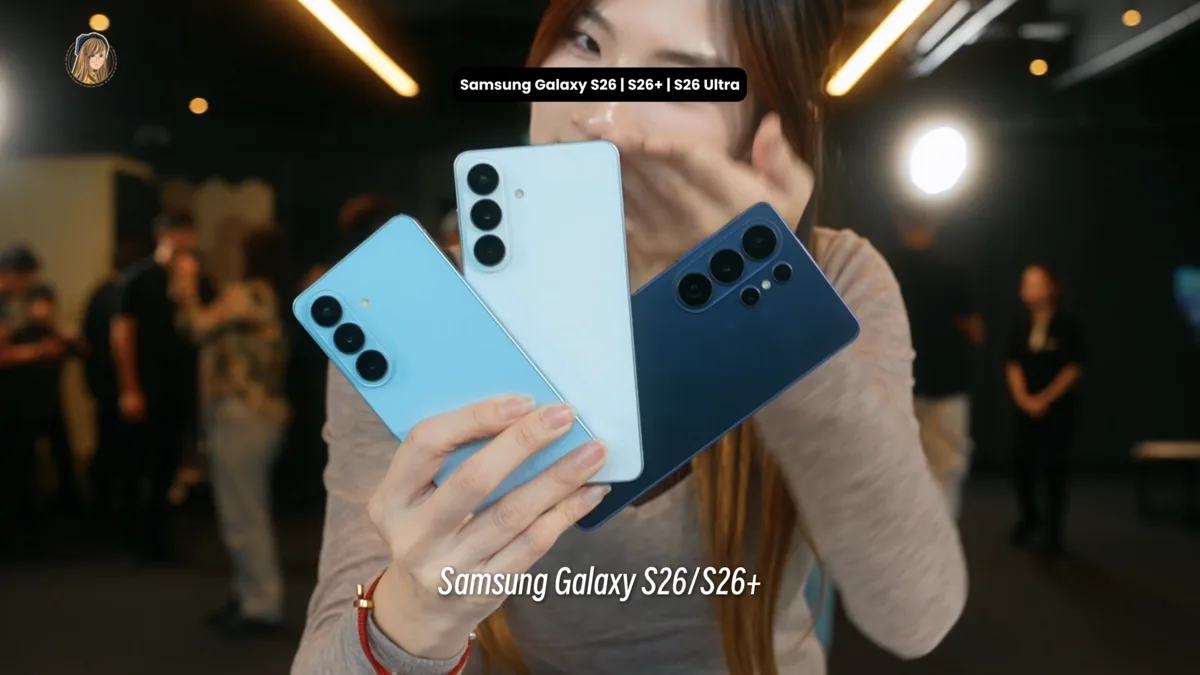
If you want the most complete AI phone on the market right now, the Galaxy S26 Ultra is it. Announced at Unpacked on February 25, 2026 and on US shelves since March 11, it pairs the most powerful hardware Samsung has ever shipped with the deepest, most flexible AI toolkit of any phone here. Crucially, Samsung now lets you choose your assistant: Google Gemini, Perplexity, or an upgraded Bixby that finally does real-time web search and natural language.
US price: $1,299.99 for 256GB, with 512GB and 1TB tiers above it. Sold unlocked at Samsung.com, Best Buy, and Amazon, and through all three major carriers. US units use the Snapdragon 8 Elite Gen 5 for Galaxy, and carrier models sold through Verizon support mmWave 5G.
Best for: power users who want everything (S Pen, the best zoom system, and the widest set of AI features) and don't mind a big, heavy phone.
Key specs and features:
- Display: 6.9-inch QHD+ Dynamic AMOLED 2X, 120Hz adaptive refresh
- Chip: Snapdragon 8 Elite Gen 5 for Galaxy (built for on-device AI, with a roughly 39% NPU uplift over the previous generation)
- Cameras: 200MP main, 50MP ultra-wide, 50MP 5x periscope telephoto, 10MP 3x telephoto
- Memory: up to 16GB RAM, 256GB / 512GB / 1TB storage
- Battery: 5,000mAh with 60W wired and fast wireless charging
- Software: One UI on Android, with Galaxy AI and 7 years of OS and security updates
The Snapdragon 8 Elite Gen 5 for Galaxy is the headline. The bigger neural engine means tasks like Generative Edit, which used to phone home to the cloud, now run more often on-device, which is faster and more private.
The Galaxy AI features that matter
Samsung's current One UI builds carry the most genuinely useful AI suite we've used on a phone:
- Now Brief: a daily AI summary that surfaces your schedule, reservations, reminders, and health data each morning, and pulls reservation and travel details automatically.
- Advanced Audio Eraser: strips background noise from video in real time, even inside apps like Instagram, YouTube, and Netflix, with the strength adjustable from the Quick Panel.
- Creative Studio: the renamed and rebuilt Drawing Assist, now a standalone app that turns a sketch, photo, or text prompt into stickers, wallpapers, and cards.
- Circle to Search and Generative Edit: circle anything to search it, and remove, move, or reimagine objects in your photos.
- Live Translate and Interpreter: real-time call and conversation translation, including through Galaxy Buds.
Samsung is already previewing what's next for the software layer: see what's coming in the One UI 9 beta on the Galaxy S26 Ultra.
Check the Galaxy S26 Ultra on Samsung →
Also Read: Galaxy S26 Ultra vs Pixel 10 Pro XL: Which AI Flagship Wins?
2. Apple iPhone 17 Pro Max - Best AI phone for iOS users
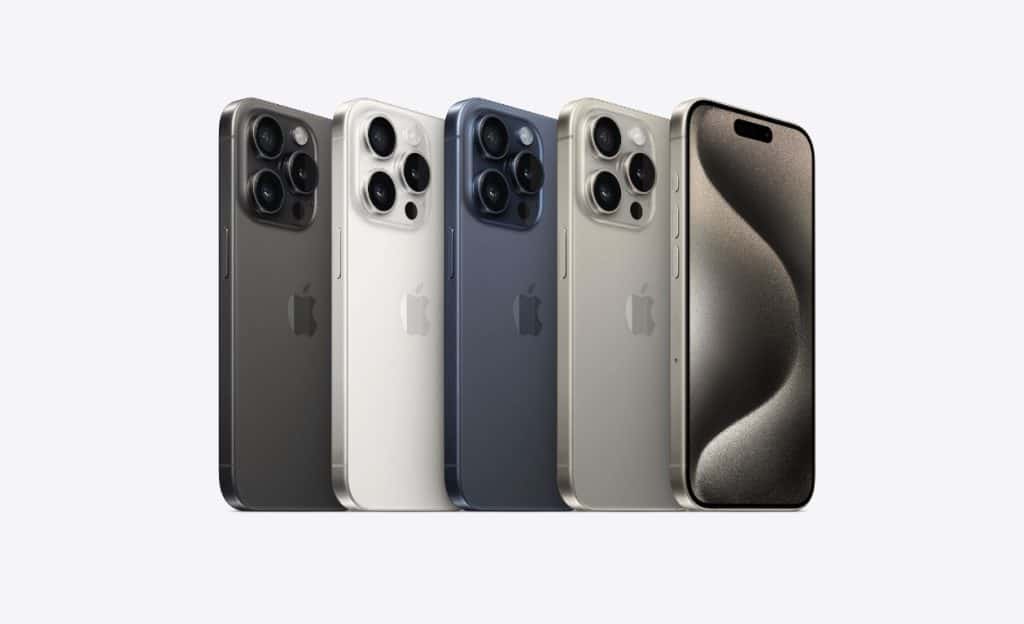
If you live in the Apple ecosystem, the iPhone 17 Pro Max is the obvious choice. Launched in September 2025, it leans on Apple Intelligence, which prioritizes privacy by running as much as possible on-device and routing the rest through Apple's Private Cloud Compute. Apple Intelligence has been fully available in US English since day one, so American buyers get the complete feature set. Its AI photo editing is not as aggressive as what you get on the Galaxy or Pixel, but its everyday assistant, translation, and writing tools are tightly integrated and dependable.
US price: $1,199 for 256GB, climbing to $1,999 for the 2TB version. Sold at Apple.com, Apple Stores, Best Buy, Amazon, and all major carriers. Note that US-model iPhones are eSIM-only — there's no physical SIM tray — so plan a few extra minutes to transfer your line, and US models sold through Verizon support mmWave 5G.
Best for: people already invested in iPhone, Mac, AirPods, and Apple Watch who value privacy and a polished, no-fuss AI experience.
Key specs and features:
- Display: 6.9-inch Super Retina XDR OLED
- Chip: A19 Pro with a 16-core Neural Engine and per-core Neural Accelerators, vapor-chamber cooled
- Cameras: three 48MP sensors (main, ultra-wide, and a telephoto with 4x and 8x optical-quality zoom), plus a Center Stage front camera
- Memory: 12GB RAM, up to 2TB storage (a first for iPhone)
- Battery: Apple's best-ever iPhone battery life, up to around 39 hours of video playback
- Software: iOS with Apple Intelligence; Apple makes no formal promise, but recent iPhones have received 6-7 years of iOS updates
On-device AI tasks like image generation and text translation run noticeably faster than on the standard iPhone 17.
The Apple Intelligence features that matter
- Live Translation: automatic translation in Messages, live captions in FaceTime, and spoken translation in the Phone app (and through compatible AirPods).
- Visual Intelligence: point the camera or hold the Action button to identify objects, translate menus, or create a calendar event from a poster.
- Writing Tools: summarize, proofread, and rewrite text system-wide, including in third-party apps.
- Genmoji and Image Playground: generate custom emoji and AI images from a prompt.
- A more natural Siri: more conversational and better at understanding context, with ChatGPT available for tougher requests.
Check the iPhone 17 Pro Max on Apple →
3. Google Pixel 10 Pro XL - Best value and smartest camera
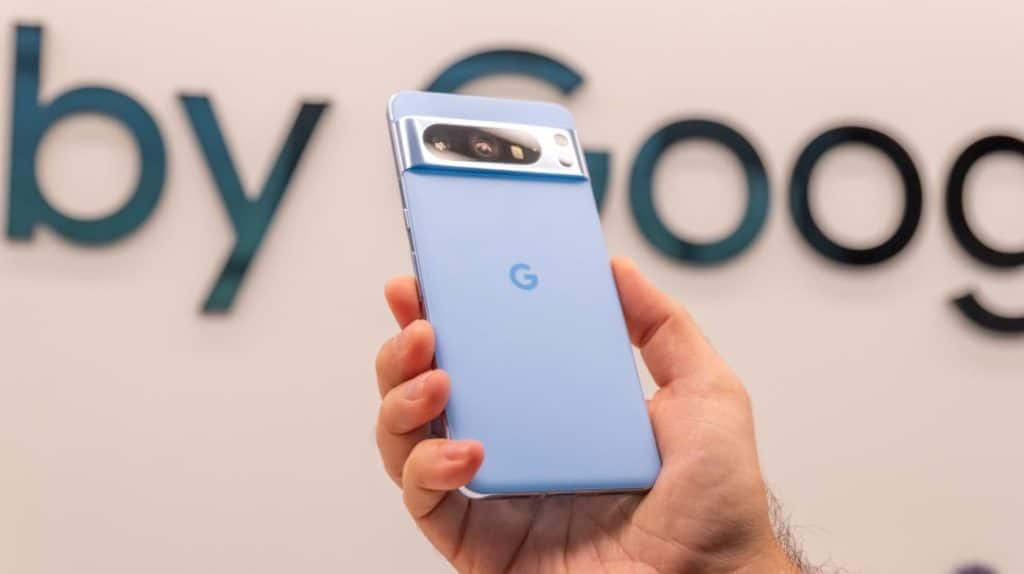
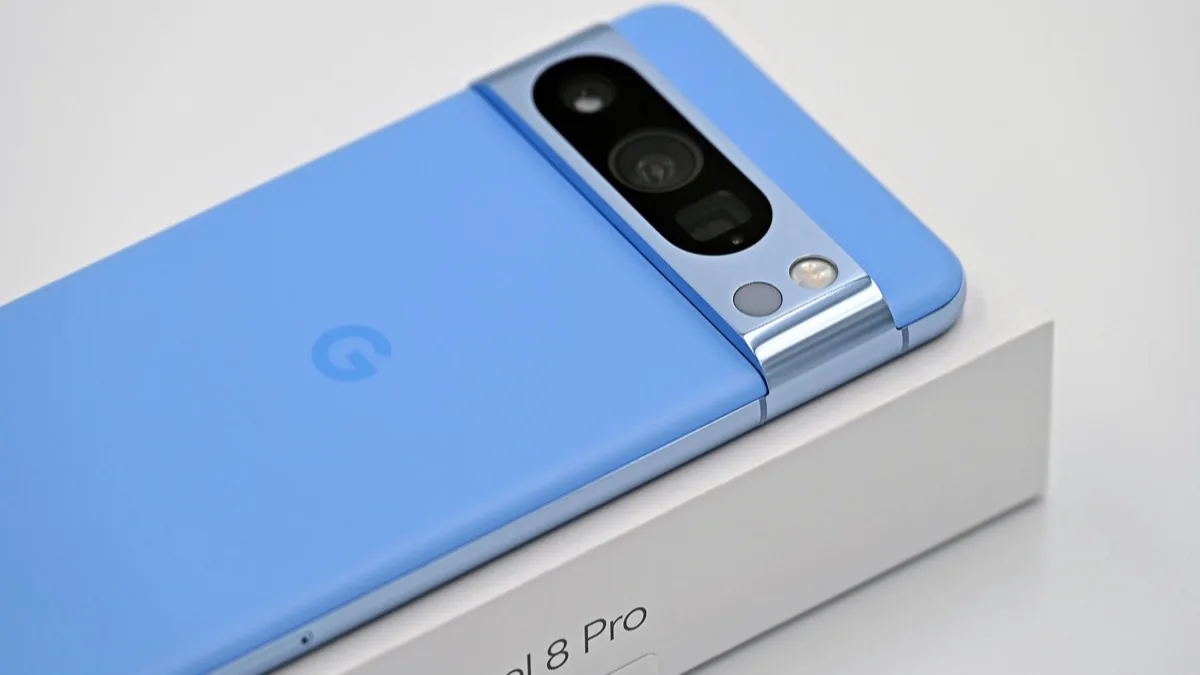
The Pixel 10 Pro XL is the AI phone for people who care most about photography and want Google's AI at its purest. Released August 28, 2025, it runs on the Tensor G5 chip, which Google built specifically to push more of Gemini's smarts on-device. It lists at the same price as the iPhone, but a year into its cycle it's the most heavily discounted phone here: with the Pixel 11 around the corner, Amazon and Best Buy have repeatedly cut the unlocked 256GB model to around $899-$949, and Best Buy open-box units have dipped several hundred dollars below that.
US price: $1,199 list for 256GB, but frequently $250-$300 off unlocked at Amazon and Best Buy in recent months. Also sold through the Google Store and all three major carriers.
Best for: photographers, Google-service users, and anyone who wants top-tier AI without paying the most.
Key specs and features:
- Display: 6.8-inch OLED, 120Hz
- Chip: Google Tensor G5 with a TPU up to 60% more powerful than the previous generation
- Cameras: 50MP main, 48MP ultra-wide, 48MP 5x telephoto with up to 100x Pro Res Zoom
- Memory: 16GB RAM, 256GB / 512GB storage
- Battery: 5,200mAh, with 45W wired and Qi2.2 wireless charging
- Software: Android with Gemini built in, plus 7 years of OS, security, and Pixel Drop updates
The Pixel AI features that matter
- Magic Cue: proactively surfaces the right info at the right moment, like pulling your flight details from Gmail when you call the airline, all processed locally on the Tensor G5.
- Camera Coach: Gemini helps you frame, light, and compose a shot before you take it.
- Gemini with Veo: describe an idea and generate a short video, plus on-device editing and summarization across apps.
- Best of the Magic Editor tools: Magic Eraser, Best Take, Add Me, and Super Res Zoom remain class-leading.
- Call and message assist: Call Notes summaries, Hold for Me, and Call Screen — several of these, like Hold for Me and Call Screen's full automation, are US-first or US-only features.
Curious how Pixel's hardware and software have evolved? Read our take on the Pixel 10 Pro battery and display improvements and the new Gemini AI features in Google Maps.
Check the Pixel 10 Pro XL on Google Store →
AI smartphone specs compared (US, 2026)
| Spec | Galaxy S26 Ultra | iPhone 17 Pro Max | Pixel 10 Pro XL |
|---|---|---|---|
| US price (256GB) | $1,299.99 | $1,199 | $1,199 (often $899-$949 on sale) |
| Chip / NPU | Snapdragon 8 Elite Gen 5 for Galaxy | A19 Pro, 16-core Neural Engine | Google Tensor G5 |
| Display | 6.9" QHD+ AMOLED, 1-120Hz | 6.9" Super Retina XDR OLED, 120Hz | 6.8" OLED, 120Hz |
| RAM | Up to 16GB | 12GB | 16GB |
| Battery / charging | 5,000mAh, 60W wired | Up to ~39 hrs video playback | 5,200mAh, 45W wired, Qi2.2 wireless |
| Update support | 7 years | No formal promise (~6-7 years historically) | 7 years |
| AI highlights | Galaxy AI + choice of Gemini, Perplexity, or Bixby; Now Brief; Generative Edit | Apple Intelligence; Live Translation; Visual Intelligence; Private Cloud Compute | Gemini; Magic Cue; Camera Coach; 100x Pro Res Zoom |
| Best for | Overall best, power users | iOS users, privacy | Camera, value |
Prices are US MSRPs for the base 256GB tier at Samsung.com, Apple.com, and the Google Store as of August 2026. Street prices at Amazon and Best Buy are often lower, especially on the Pixel.
AI features head-to-head
Spec sheets don't capture how differently these three handle the AI jobs you'll actually use every day. Here's how they compare on the five that matter most:
| AI job | Galaxy S26 Ultra | iPhone 17 Pro Max | Pixel 10 Pro XL |
|---|---|---|---|
| Assistant | Your choice: Gemini, Perplexity, or Bixby | Siri + ChatGPT handoff | Gemini, deepest system integration |
| Call screening | Call Assist text-based answering | Call Screening answers unknown callers, plus Hold Assist | Best in class: fully automated Call Screen, Hold for Me, Call Notes |
| AI photo editing | Generative Edit, Sketch to Image | Clean Up (lighter touch, most natural) | Magic Editor, Add Me, Best Take, Ask Photos edits |
| Live translation | Calls, chats, and Interpreter mode, incl. Galaxy Buds | Messages, FaceTime captions, Phone app, AirPods | Live Translate in calls, chat, and camera |
| Proactive help | Now Brief daily briefing | Priority Notifications, smart summaries | Magic Cue surfaces context mid-call and mid-chat |
The short version: Pixel still owns phone-call AI (and several of those features are US-only), Samsung gives you the most tools and the most choice, and Apple does fewer things but does them with the least friction.
On-device vs cloud AI: why it matters
All three companies advertise "on-device AI," but the split is real and worth understanding before you buy. On-device features run on the phone's NPU: they work in airplane mode, respond instantly, and your data never leaves the phone. Cloud features are more powerful but need a connection and send your request to a server.
- Apple is the strictest: most Apple Intelligence tasks run on-device, and anything heavier goes through Private Cloud Compute, which Apple says is cryptographically prevented from retaining your data.
- Google built the Tensor G5 around its on-device Gemini Nano model — Magic Cue, Call Notes, and summaries all process locally — while big generative jobs like Veo video go to the cloud.
- Samsung is the most configurable: a "Process data only on device" toggle in Galaxy AI settings forces everything local, disabling cloud features entirely if you want maximum privacy.
Practical takeaway: if privacy is your top concern, the iPhone or a locked-down Galaxy is the safest bet. If you want the most capable proactive AI that still runs locally, the Pixel's Tensor G5 was designed for exactly that.
Cheaper AI picks: the same brains for less
You don't need a $1,200+ flagship to get real AI. Each maker's cheaper flagship runs the same AI platform with only modest hardware trade-offs:
- Google Pixel 10 ($799): the best cheap AI phone, period. Same Tensor G5 chip as the Pro XL, so Magic Cue, Call Screen, and Gemini Nano all run identically. You mainly give up RAM, zoom hardware, and screen size, and it gets the same 7 years of updates.
- Apple iPhone 17 ($799): the A19 chip runs the full Apple Intelligence suite. You lose the telephoto camera and some battery, not any AI.
- Samsung Galaxy S26 ($899.99): the complete Galaxy AI toolkit, including Now Brief and Generative Edit, in a smaller, lighter body with the same 7-year update promise.
Avoid true budget phones ($200-$400) if AI is why you're buying: they typically lack the NPU muscle, so features either run in the cloud, run slowly, or don't ship at all.
US carrier deals and trade-ins
Almost nobody in the US should pay full sticker price for these phones. All three carriers are running aggressive promotions:
- Verizon: up to $1,100 off the Galaxy S26 Ultra with a qualifying trade-in on Unlimited Ultimate or Unlimited Plus, and it has periodically run no-trade-in free-phone promos on new lines. iPhone 17 Pro Max trade-in credits have run up to about $1,000.
- AT&T: up to $1,100 off the iPhone 17 Pro Max with an eligible trade-in, plus switcher credits that help pay off your old phone. AT&T's trade-in terms are typically the most forgiving about device condition.
- T-Mobile: $1,100 off the Galaxy S26 Ultra when you add a line on an Experience More or Experience Beyond plan, and up to $1,100 off the iPhone 17 Pro Max with trade or switch.
Two caveats: carrier credits are paid out as monthly bill credits over 24-36 months, so leaving early forfeits the remainder, and the best offers usually require premium unlimited plans. If you want flexibility, buy unlocked from Best Buy or Amazon — the Pixel 10 Pro XL in particular has been $250-$300 off unlocked with no strings attached.
How we picked
We focused on phones that are actually shipping in the US in mid-2026, not rumored or discontinued models, and we judged each one on the AI experience first and the rest of the hardware second. We compared the assistant quality, on-device versus cloud processing, the photo-editing tools, and the day-to-day usefulness of features like daily briefings, live translation, and proactive suggestions.
We cross-checked every spec and US price against the manufacturers' own store pages and current carrier and retailer promotions as of August 2026, and we deliberately weighed how much of each phone's AI runs on-device, since that drives both speed and privacy. We also weighed software longevity — a phone promised 7 years of updates will keep gaining AI features long after purchase — and ecosystem fit: the smartest phone for you is usually the one that talks to the laptop, watch, and earbuds you already own.
Related reading
Bottom line
Buy the Samsung Galaxy S26 Ultra ($1,299.99) if you want the most capable, most flexible AI phone overall, the best zoom, and the freedom to choose your assistant — and let a Verizon or T-Mobile trade-in deal absorb most of the cost. Choose the iPhone 17 Pro Max ($1,199) if you're already on iOS and want privacy-first AI that just works across your Apple devices. Get the Google Pixel 10 Pro XL if you want the smartest camera and the most genuinely helpful Gemini features for the least money — especially at its frequent sub-$950 unlocked sale price. And if $1,200 is too steep, the Pixel 10, iPhone 17, and Galaxy S26 run the exact same AI platforms from $799.
Quick verdicts by user type:
- Power user / productivity: Galaxy S26 Ultra (S Pen, Now Brief, assistant choice)
- Privacy-first: iPhone 17 Pro Max, or a Galaxy with on-device-only mode enabled
- Photographer: Pixel 10 Pro XL for AI editing and consistency; S26 Ultra for zoom versatility
- Hates spam calls: Pixel 10 Pro XL — its call-screening AI is untouchable
- On a budget: Pixel 10 at $799, or the discounted Pixel 10 Pro XL
- Keeping the phone 5+ years: any of the three, but Samsung and Google put 7 years in writing
There's no wrong answer here; pick the ecosystem you already live in, and the AI will follow.
Frequently Asked Questions
What is the best AI smartphone to buy in the US in 2026?
The Samsung Galaxy S26 Ultra ($1,299.99) is the best overall AI smartphone in the US in 2026, thanks to its Snapdragon 8 Elite Gen 5 chip, the deep Galaxy AI toolkit, and the freedom to use Gemini, Perplexity, or Bixby as your assistant. The iPhone 17 Pro Max ($1,199) is the best pick for iOS users, and the Pixel 10 Pro XL offers the smartest camera AI for the least money, especially with its frequent unlocked discounts.
How much do the best AI phones cost in the US?
US MSRPs for the base 256GB models are $1,299.99 for the Samsung Galaxy S26 Ultra and $1,199 for both the iPhone 17 Pro Max and the Google Pixel 10 Pro XL. The iPhone 17 Pro Max tops out around $1,999 for 2TB. Street prices are often lower: the unlocked Pixel 10 Pro XL has repeatedly dropped to around $899-$949 at Amazon and Best Buy as the Pixel 11 launch approaches.
Which US carrier has the best deal on these AI phones?
All three major carriers run aggressive promotions. T-Mobile has offered $1,100 off the Galaxy S26 Ultra when you add a line on an Experience More or Experience Beyond plan, Verizon has offered up to $1,100 in trade-in credit on premium unlimited plans, and AT&T has offered up to $1,100 off the iPhone 17 Pro Max with an eligible trade-in. Credits are paid as monthly bill credits over 24-36 months, so plan to stay with the carrier for the full term.
Which AI phone has the best camera in 2026?
The Google Pixel 10 Pro XL has the smartest camera AI, with Camera Coach, on-device generative editing, and up to 100x Pro Res Zoom on its 48MP telephoto. The Galaxy S26 Ultra counters with the highest resolution, a 200MP main sensor plus a four-lens zoom system, so it wins on raw versatility. Both beat the iPhone 17 Pro Max for AI photo editing, though the iPhone's triple 48MP system shoots excellent, natural-looking photos.
How many years of updates do the best AI phones get?
Samsung and Google both promise 7 years of OS and security updates for the Galaxy S26 Ultra and Pixel 10 Pro XL, which means new AI features keep arriving via One UI updates and Pixel Drops into the 2030s. Apple makes no formal commitment, but recent iPhones have historically received roughly 6-7 years of iOS updates. Long support matters more on AI phones than ever, because many headline features ship in software updates rather than with the hardware.
Are Apple Intelligence, Galaxy AI, and Gemini fully available in the US?
Yes, the US gets the most complete versions of all three platforms. Apple Intelligence launched in US English first and remains fully available on the iPhone 17 Pro Max. Galaxy AI's full suite, including the Perplexity assistant option, is live on US Galaxy S26 models. Pixel features like Hold for Me and fully automated Call Screen are US-first or US-only, so American Pixel buyers actually get extra features.
Do AI smartphones process data on the device or in the cloud?
Modern flagships use a dedicated Neural Processing Unit (NPU) to run many AI tasks directly on the device, which means faster responses and better privacy because your data isn't uploaded. Heavier tasks may still use the cloud: Apple routes them through Private Cloud Compute, while Samsung and Google increasingly keep features like Generative Edit and Magic Cue local thanks to more powerful chips like the Snapdragon 8 Elite Gen 5 and Tensor G5.
Should I wait for the next AI phone or buy now?
The Galaxy S26 Ultra launched in March 2026, so it will stay current well into 2027. Apple typically announces new iPhones in September and Google new Pixels in late summer, so the iPhone 17 Pro Max and Pixel 10 Pro XL are near the end of their cycles. That cuts both ways: successors are close, but the Pixel 10 Pro XL is seeing its deepest US discounts right now, which makes it an excellent buy if you'd rather save $250-$300 than own the newest model.