Microsoft Links Windows 11 KB5121003 Game Crashes to RGB Lighting Drivers

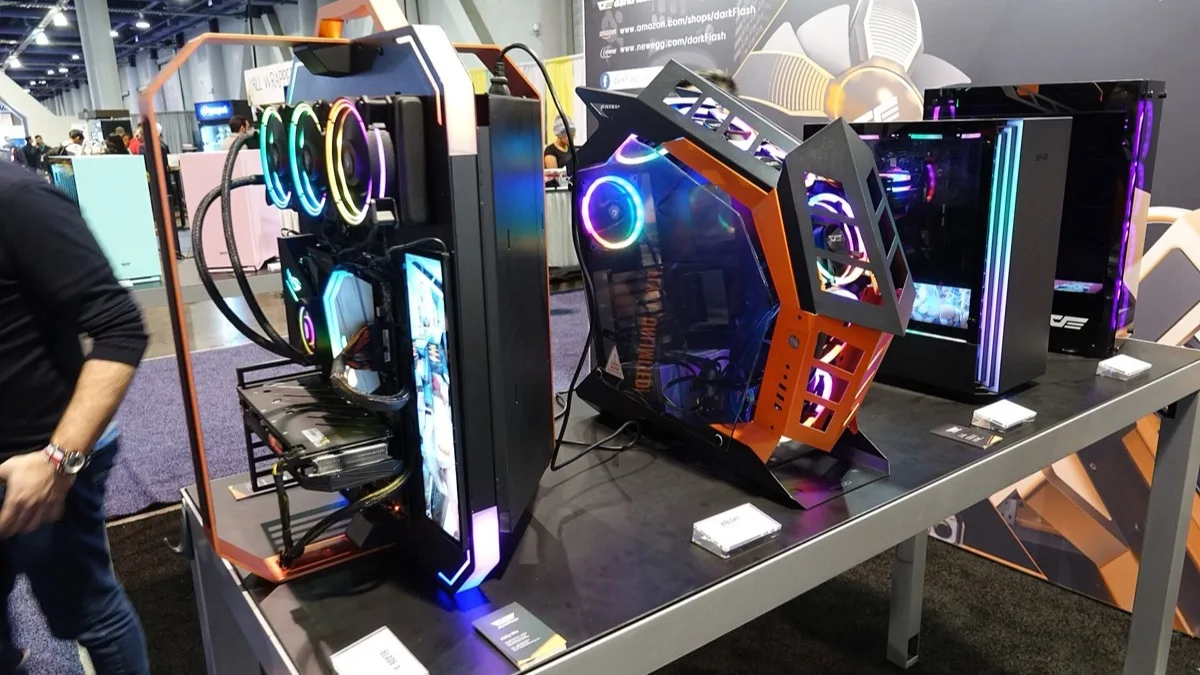
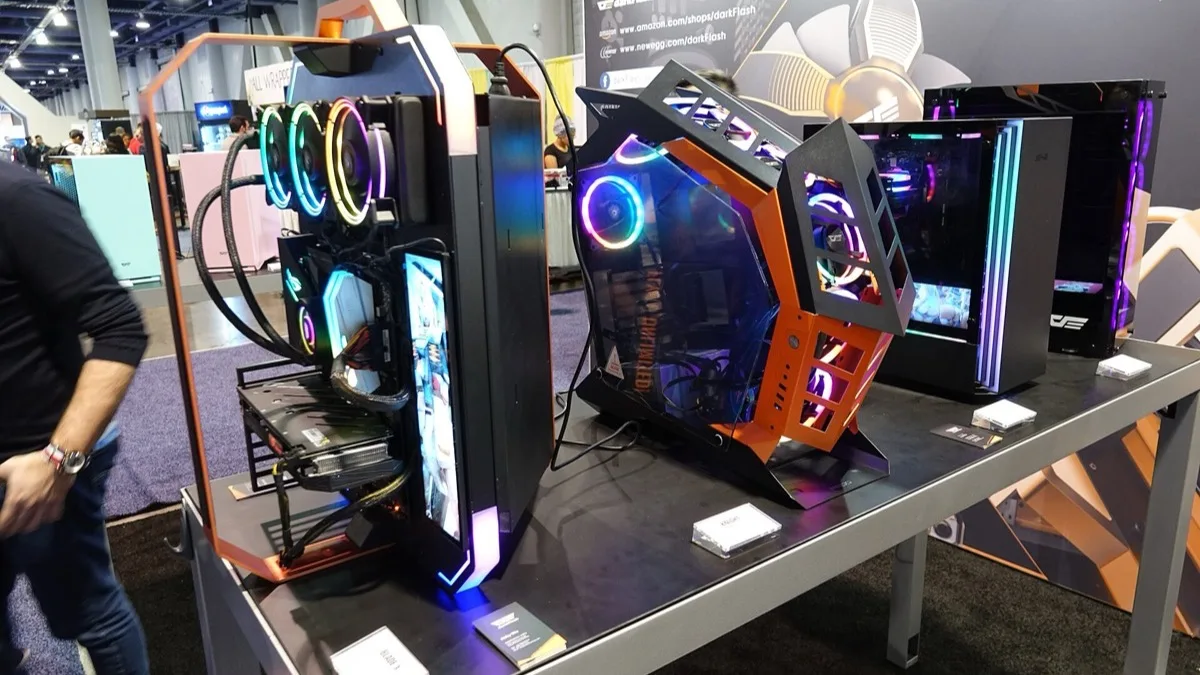
Microsoft has narrowed the cause of the KB5121003 game crashes hitting Windows 11 PCs, and the answer is RGB lighting. In an update to its release health dashboard, the company said the crashes affect machines with peripherals or internal components that have RGB lighting features, because those devices install a kernel driver that the August update no longer gets along with.
What Microsoft says is causing the KB5121003 game crashes
The originating update is KB5121003, OS Build 26100.9168, which went out on 11 August 2026. Microsoft opened the known issue on 19 August and revised it on 20 August with the RGB finding.
According to the advisory, affected RGB devices install drivers or code components with file names similar to inpoutx64. On systems where that driver is present, launching certain games triggers the fault. The driver is a third-party component, not a Microsoft one, which is why the company is still working out where the responsibility sits. Its status on the dashboard remains "Investigating".
Which games and which versions of Windows
Microsoft names three games in the reports it has received:
- ARC Raiders
- MARVEL Tōkon: Fighting Souls
- THE FINALS
That is the list of titles players have reported, not a closed set. Any game could in principle hit the same driver conflict.
The affected platforms are Windows 11 version 24H2 and Windows 11 version 25H2. Microsoft lists no affected Server builds. This is a PC-only problem: the PlayStation 5, Xbox Series X|S and Steam Deck versions of these games are not touched by it, and neither is Windows 10. If your game is crashing on a console, the cause is something else — ARC Raiders has had its own separate Series S stability trouble, which we covered in our breakdown of ARC Raiders update 1.42.0 and its unfixed Xbox Series S crashes.
The symptoms to check against
Microsoft lists four. The game becomes unresponsive. The game closes without notice. An EXCEPTION_ACCESS_VIOLATION error appears. Or the whole device restarts without warning.
That last one matters for telling this apart from an ordinary game crash. A game that shuts itself down could be any number of things, but a PC that reboots on its own while launching a game points at something running in kernel space — which is exactly where the driver in question sits.
Is there a fix
Not from Microsoft, not yet. The advisory says the company is working to understand the relationship between the RGB components and the games that trigger the fault, and will update when it knows more. There is no patch, and no safeguard hold blocking the update on affected machines.
Embark Studios, which makes both ARC Raiders and THE FINALS, has published a temporary workaround for players. It involves stopping and deleting the inpoutx64 service and removing the driver file from the Windows drivers folder. Two cautions before anyone reaches for it: deleting a kernel driver will break whatever RGB or fan-control software installed it, and it is a manual change to a system folder that Microsoft has not endorsed. Waiting for the official fix is the lower-risk option if the game in question is not one you play daily.
In published reports, some affected players traced the driver to hardware vendor utilities installed alongside their peripherals. Which specific utilities put it there has not been confirmed by Microsoft or by the vendors, so treat any single named product as unconfirmed.
Microsoft is asking anyone hitting the fault to file a report through the Feedback Hub app, which it says is feeding the investigation.
What to do in the meantime
If your PC has RGB lighting and one of these games started crashing after 11 August, the update is the likely culprit rather than the game. Rolling back a cumulative update is possible but removes that month's security fixes, which is a real trade-off rather than a free one.
It is worth ruling out the ordinary causes first, because a crash that started the same week as a Windows update is not automatically caused by it. Overheating, an unstable overclock and failing memory produce similar symptoms — our guide to choosing RAM for a PC build covers how to test for the last of those. Driver-level game crashes also behave differently from the frame-rate problems people usually chase with settings tweaks and GPU-friendly shader packs.
Microsoft's broader promise to tighten up Windows 11 performance and stability, which we looked at in our report on the company's Windows 11 quality update pledge, is going to be judged on cases like this one. For a look at how a studio handles crash fixes on its own schedule, our rundown of the Helldivers 2 patch 7.0.1 crash fixes is a useful contrast.
Related reading
Frequently Asked Questions
Does KB5121003 crash games on every Windows 11 PC?
No. Microsoft says the fault only appears on machines that have peripherals or internal parts with RGB lighting, because those devices install a driver with a file name similar to inpoutx64. PCs without that driver present are not affected, even though they received the same August 11 update.
Which Windows versions are affected by the KB5121003 game crashes?
Windows 11 version 24H2 and Windows 11 version 25H2, on OS Build 26100.9168 and later. Microsoft lists no affected Windows Server builds, and Windows 10 is not part of the advisory.
Which games are crashing after the August Windows 11 update?
Microsoft names ARC Raiders, MARVEL Tokon: Fighting Souls and THE FINALS as the titles appearing in reports. That is a list of what players have reported rather than a complete one, so other games could hit the same driver conflict.
Has Microsoft released a fix for KB5121003?
Not as of August 21, 2026. The known issue is still marked Investigating on Microsoft's release health dashboard. Embark Studios has published a temporary workaround that removes the inpoutx64 driver, but that will disable whatever RGB or fan-control software installed it.
Are console versions of ARC Raiders and THE FINALS affected?
No. This is a Windows driver conflict, so it only affects PC players. The PlayStation 5 and Xbox Series X|S versions of these games are not covered by Microsoft's advisory.