Nothing Phone (3)
Specs, US price, release date, and Android Hire verdict
Nothing's first self-declared true flagship pairs the playful Glyph Matrix dot display, a four-camera 50MP system, and a big silicon-carbon battery with a Snapdragon 8s Gen 4 that doesn't quite match its $799 price tag.
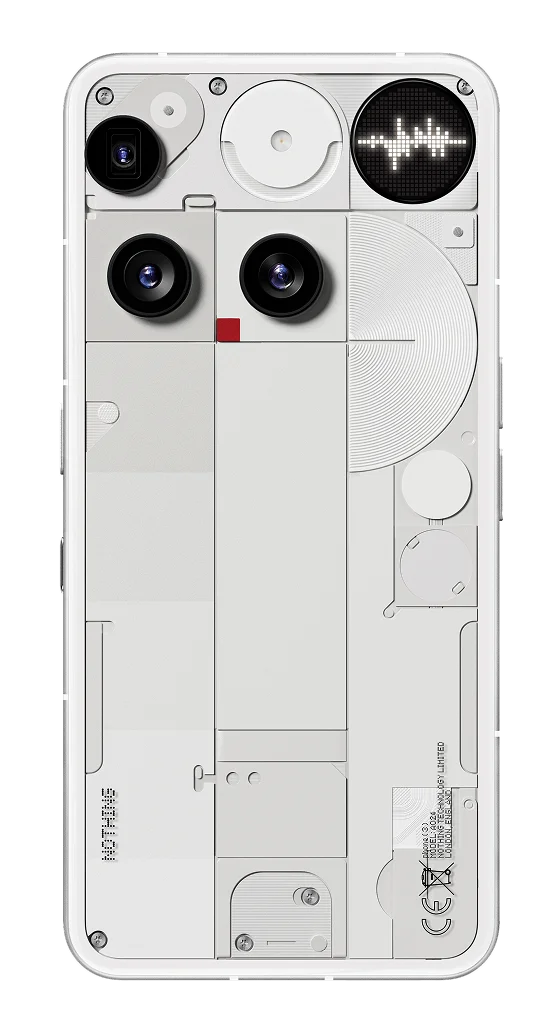
- Glyph Matrix — a 489-LED rear dot display — is genuinely useful for caller ID, timers, and notifications, and nothing else on the market looks like it
- Strong software commitment: 5 years of Android OS upgrades and 7 years of security patches
- Bright 6.67-inch 120Hz AMOLED with 4,500-nit peak HDR brightness and slim, even bezels
- 5,150mAh silicon-carbon battery with 65W wired, 15W wireless, and reverse charging delivers comfortably all-day endurance
- All-50MP camera system including a 3x periscope telephoto and a 50MP selfie camera
- IP68 rating plus Gorilla Glass Victus back — both firsts for Nothing
- Snapdragon 8s Gen 4 sits a clear tier below the Snapdragon 8 Elite that rivals offer at the same $799 price
- Camera processing can be erratic, with inconsistent HDR and shot-to-shot color shifts across the four lenses
- Divisive asymmetric camera layout, and Glyph purists may miss the old light strips
- No official Verizon support in the US — it's best on AT&T and T-Mobile
- USB-C 2.0 data speeds feel dated on a flagship-priced phone
Android Hire Verdict — Standout design, semi-flagship chip
The Phone (3) is Nothing's most complete phone yet: a genuinely distinctive design, the clever Glyph Matrix, flagship-grade battery and display, and a class-leading five-year OS promise. But its Snapdragon 8s Gen 4 and inconsistent camera tuning sit a step below the Galaxy S25-class rivals it launched against at $799/£799, which is why reviewers split on the 'true flagship' claim. Buy it for the character and software support — ideally at the $699/£699 it now sells for — rather than outright performance.
Nothing Phone (3) benchmarks
AnTuTu and multi-core figures are GSMArena's tested results from a Phone (3) review unit; the single-core figure reflects typical published Snapdragon 8s Gen 4 results (~2,050-2,150). Chipset-level trackers place the 8s Gen 4 around 2.1M in AnTuTu — roughly Snapdragon 8 Gen 3-class CPU performance, below the 8 Elite in same-priced rivals.
Nothing Phone (3) vs the competition
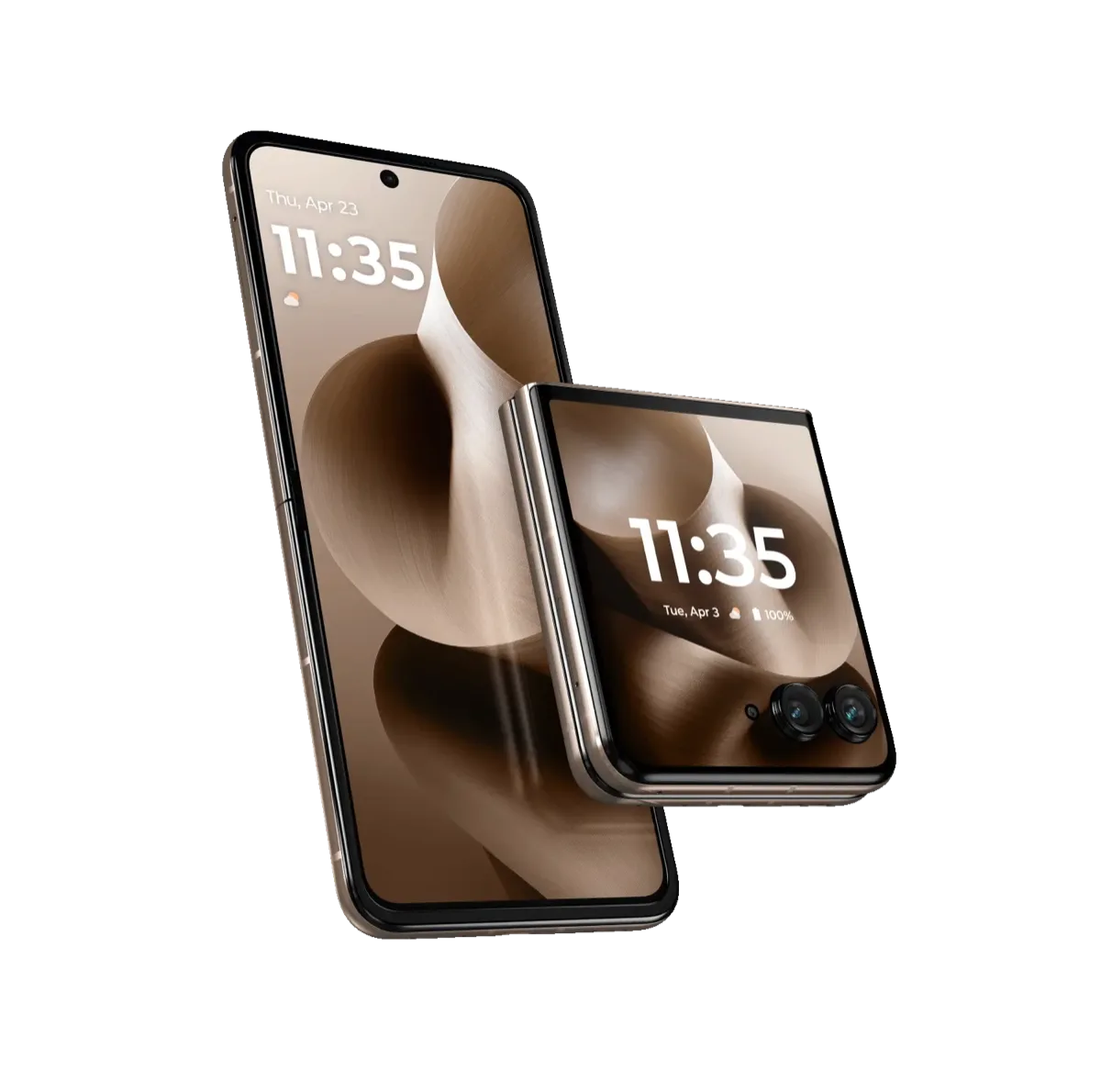
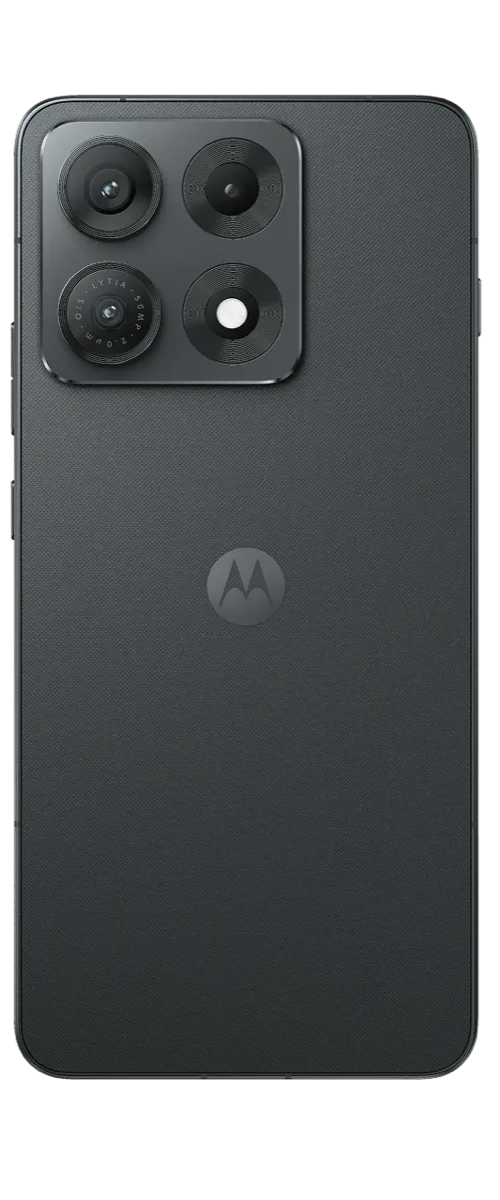
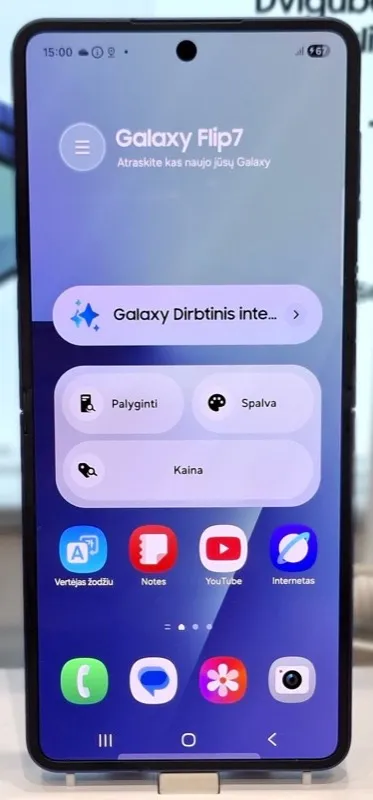
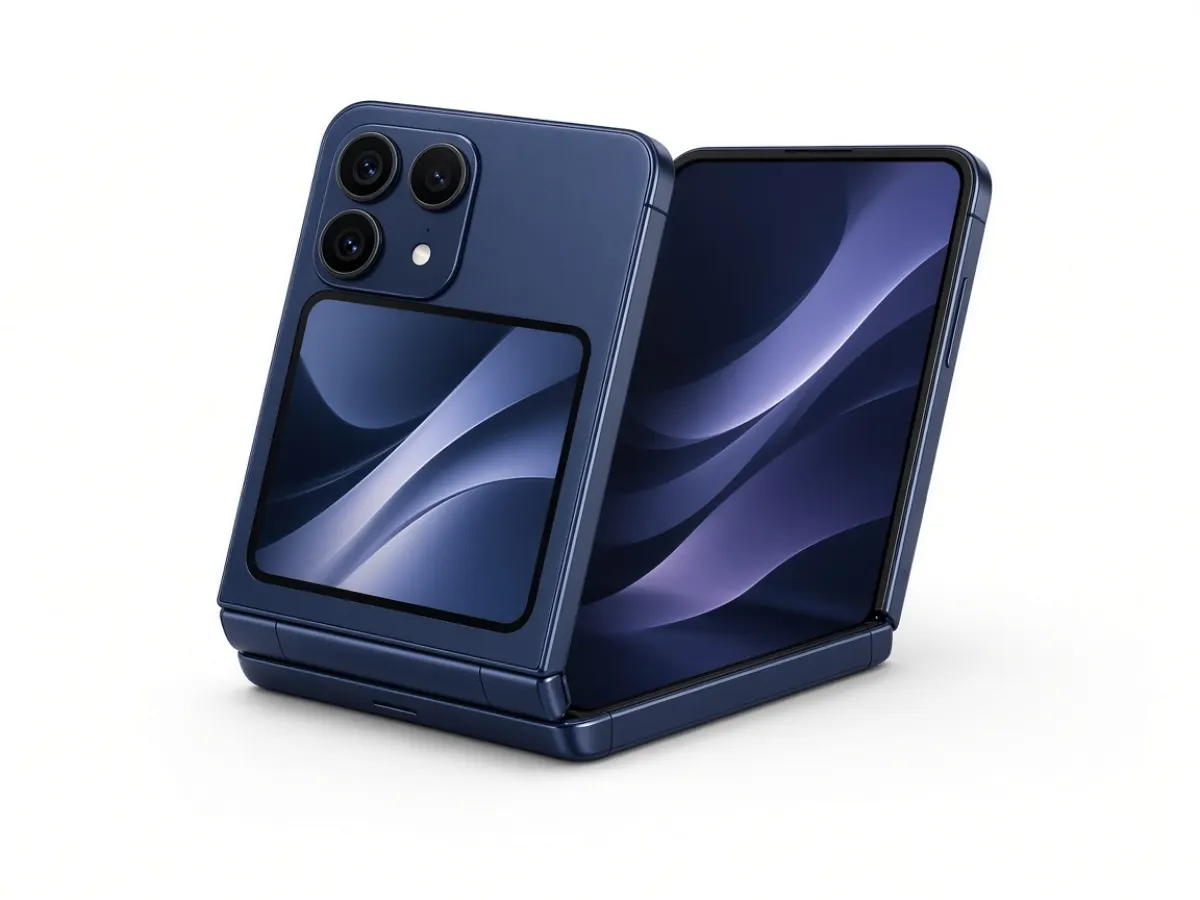
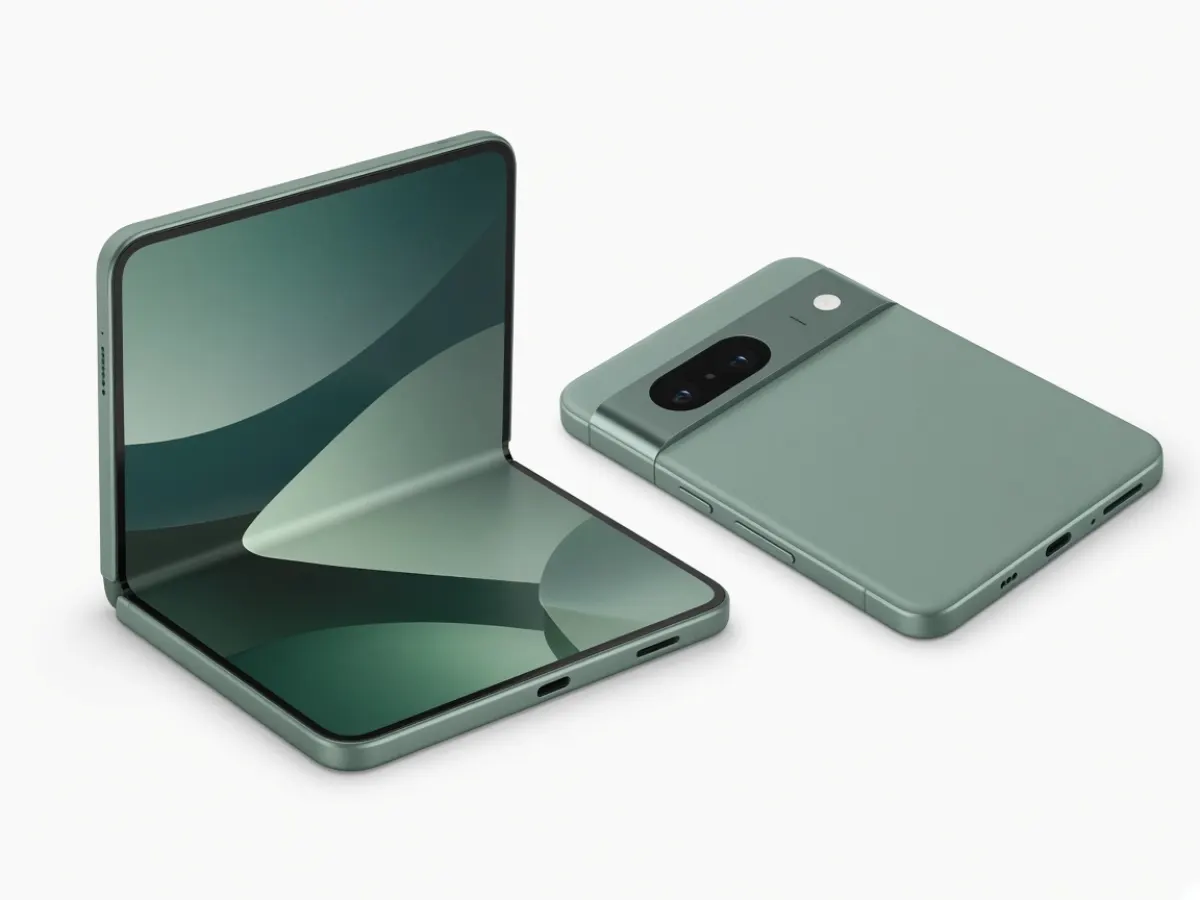
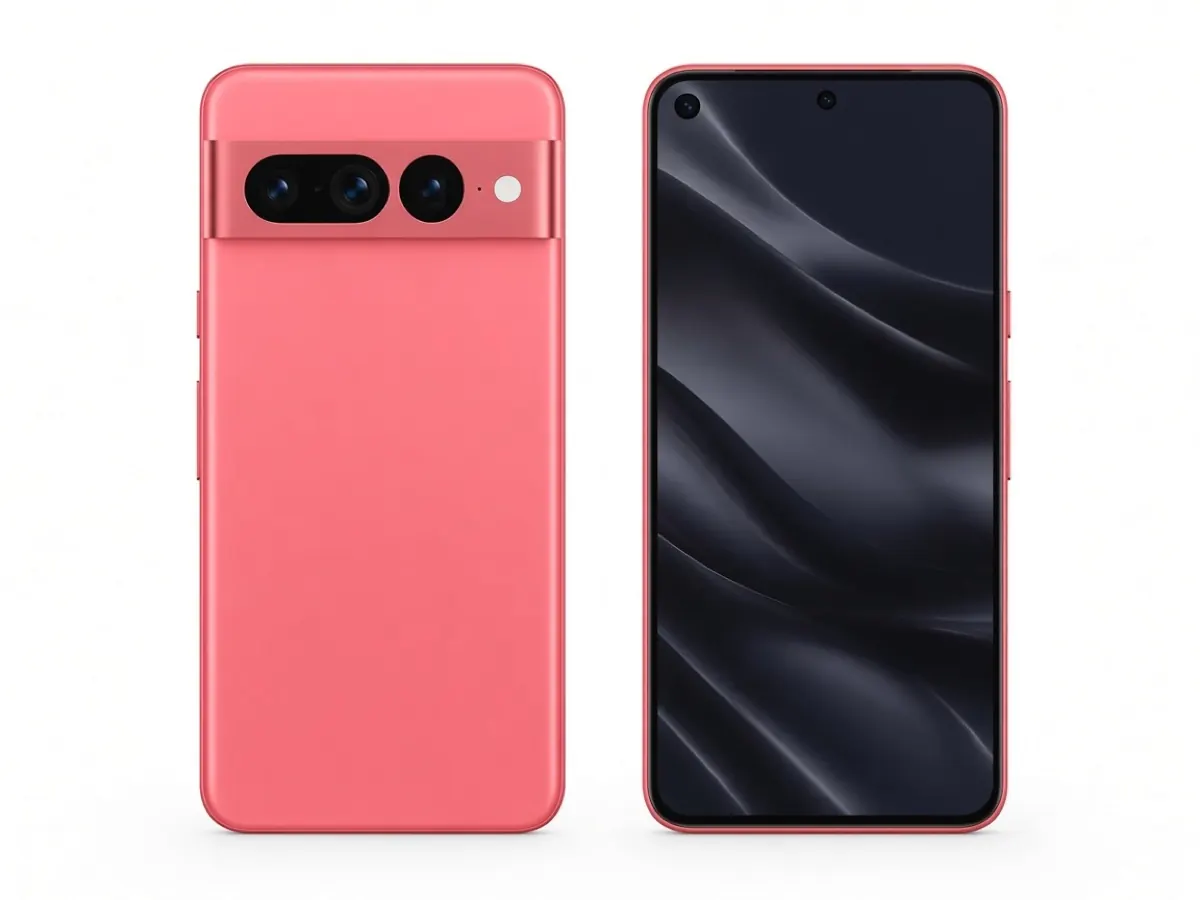
How the Nothing Phone (3) compares against the Motorola Edge 70 Max 5G, the Samsung Galaxy Z Flip7 and the Apple iPhone Air — its closest rivals in our directory.
| Spec | Nothing Phone (3) | Motorola Edge 70 Max 5G | Samsung Galaxy Z Flip7 | Apple iPhone Air |
|---|---|---|---|---|
| Launch price | $799 | €799.99 | $1,099.99 | $999 |
| Display | 6.67" AMOLED 120Hz | 6.82" 144Hz LTPO AMOLED | 6.9" foldable LTPO 120Hz | 6.5" LTPO OLED 120Hz |
| Chipset | Snapdragon 8s Gen 4 | Snapdragon 8 Gen 5 | Exynos 2500 | Apple A19 Pro |
| Camera | 50MP triple + 3x tele | 50MP OIS + 8MP ultrawide | 50MP wide + 12MP ultrawide | 48MP single, sensor-shift OIS |
| Battery | 5150mAh · 65W wired | 7100mAh · 90W wired | 4300mAh · 25W wired | 3149mAh · 20W MagSafe |
| AnTuTu 10 | ~1,949,000 | ~2,850,000 | ~1,513,000 | — |
| Our score | 78/100 | 81/100 | 81/100 | 74/100 |
Launch prices are shown in each phone's primary launch-market currency, so this row mixes currencies — compare the figures against local pricing rather than one another.
Nothing Phone (3) full specifications
Launch
- Announced
- 2025, July 1
- Released
- 2025, July 15
- Status
- Available
Network
- Technology
- GSM / HSPA / LTE / 5G
- 5G bands
- 1, 2, 3, 5, 7, 8, 12, 20, 25, 28, 30, 38, 40, 41, 48, 66, 71, 77, 78 SA/NSA
- Speed
- HSPA, LTE, 5G
Body
- Dimensions
- 160.6 x 75.6 x 9 mm
- Weight
- 218 g
- Build
- Gorilla Glass 7i front, Gorilla Glass Victus back, aluminum frame
- SIM
- Nano-SIM + Nano-SIM + eSIM (max 2 at a time)
- Durability
- IP68 dust-tight and water-resistant (up to 1.5m for 30 min)
- Other
- Glyph Matrix rear display (489 micro-LEDs) with Glyph Button
Display
- Type
- Flexible AMOLED, 1B colors, 120Hz, HDR10+, 960Hz PWM, 4500 nits (peak)
- Size
- 6.67 inches (~88.5% screen-to-body ratio)
- Resolution
- 1260 x 2800 pixels, 20:9, ~460 ppi
- Protection
- Corning Gorilla Glass 7i
Platform
- OS
- Android 15 at launch (Nothing OS 3.5), upgraded to Android 16; 5 years of OS upgrades + 7 years of security updates guaranteed
- Chipset
- Qualcomm SM8735 Snapdragon 8s Gen 4 (4nm)
- CPU
- Octa-core (1x3.21 GHz Cortex-X4 & 3x3.0 GHz Cortex-A720 & 2x2.8 GHz Cortex-A720 & 2x2.0 GHz Cortex-A720)
- GPU
- Adreno 825
Memory
- Card slot
- No
- Internal
- 256GB 12GB RAM, 512GB 16GB RAM
- Technology
- UFS 4.0
Main Camera
- Setup
- Triple: 50 MP (wide) + 50 MP (periscope telephoto) + 50 MP (ultrawide)
- Wide
- 50 MP, f/1.7, 24mm, 1/1.3", PDAF, OIS
- Telephoto
- 50 MP, f/2.7, periscope, 1/2.75", PDAF, 3x optical zoom, OIS
- Ultrawide
- 50 MP, f/2.2, 114°, 1/2.76"
- Features
- LED flash, HDR, panorama, telephoto macro mode
- Video
- 4K@30/60fps, 1080p@30/60fps, gyro-EIS, OIS
Selfie Camera
- Single
- 50 MP, f/2.2, 1/2.76"
- Features
- HDR
- Video
- 4K@60fps, 1080p@60fps
Sound
- Loudspeaker
- Yes, with stereo speakers
- 3.5mm jack
- No
Comms
- Wi-Fi
- 802.11 a/b/g/n/ac/6/7, tri-band, Wi-Fi Direct
- Bluetooth
- 6.0, A2DP, LE
- Positioning
- GPS (L1+L5), GLONASS, GALILEO, BDS, QZSS, NavIC, SBAS
- NFC
- Yes
- USB
- USB Type-C 2.0, OTG
Features
- Fingerprint
- Under display, optical
- Sensors
- Accelerometer, gyro, proximity, compass
- Other
- Essential Key for AI-powered Essential Space, Glyph Toys
Battery
- Type
- Silicon-carbon 5150 mAh, non-removable (5500 mAh India-only model)
- Charging
- 65W wired (PD3.0, PPS, QC4), 15W wireless, 7.5W reverse wired, 5W reverse wireless
Misc
- Colors
- White, Black
- Models
- A024
- Price
- $799/£799 (12GB+256GB), $899/£899 (16GB+512GB) at launch; $699/£699 direct from Nothing as of mid-2026
Nothing Phone (3) FAQ
What is the Glyph Matrix on the Nothing Phone (3)?
It's a circular micro-LED display of 489 individually firing LEDs on the phone's back, replacing the light strips of earlier Nothing phones. It shows caller ID, notification glyphs, a clock, battery level, timers, and playful 'Glyph Toys' like a Magic 8 Ball, controlled via a dedicated touch button on the rear.
Is the Nothing Phone (3) a true flagship?
Nothing markets it as its 'first true flagship,' and the build, display, battery, and update policy are flagship-grade. The sticking point is the Snapdragon 8s Gen 4 — a strong upper-tier chip, but a step below the Snapdragon 8 Elite found in similarly priced rivals, which is why most reviewers call it a semi-flagship.
Does the Nothing Phone (3) work on US carriers?
Yes — it's sold unlocked in the US with full support for AT&T and T-Mobile networks. Verizon is not officially supported; some users get it working by asking Verizon to whitelist the IMEI, but Nothing itself describes Verizon compatibility as unreliable.
How long will the Nothing Phone (3) get software updates?
Nothing guarantees 5 years of major Android OS upgrades and 7 years of security patches from launch — a big jump from the Phone (2)'s 3-year OS promise, though still short of the 7-year OS pledges from Google and Samsung.
Does the Nothing Phone (3) support wireless charging?
Yes, it supports 15W wireless charging and 5W reverse wireless charging for earbuds, alongside 65W wired charging (PD3.0/PPS) that refills the 5,150mAh battery in under an hour.
Explore other phones