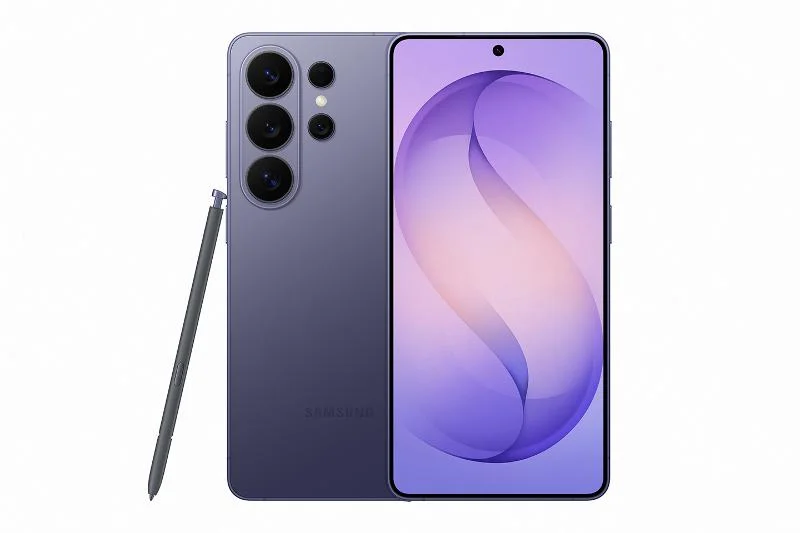
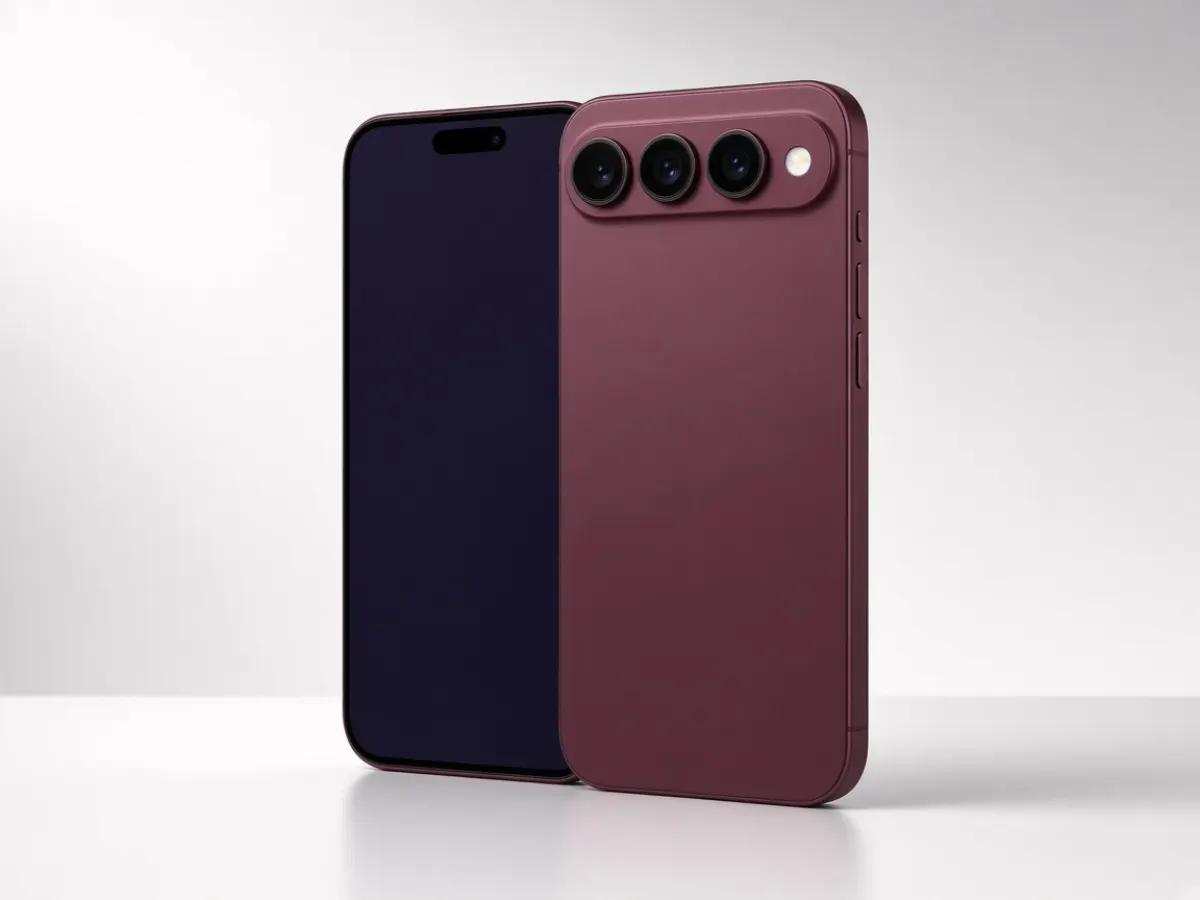
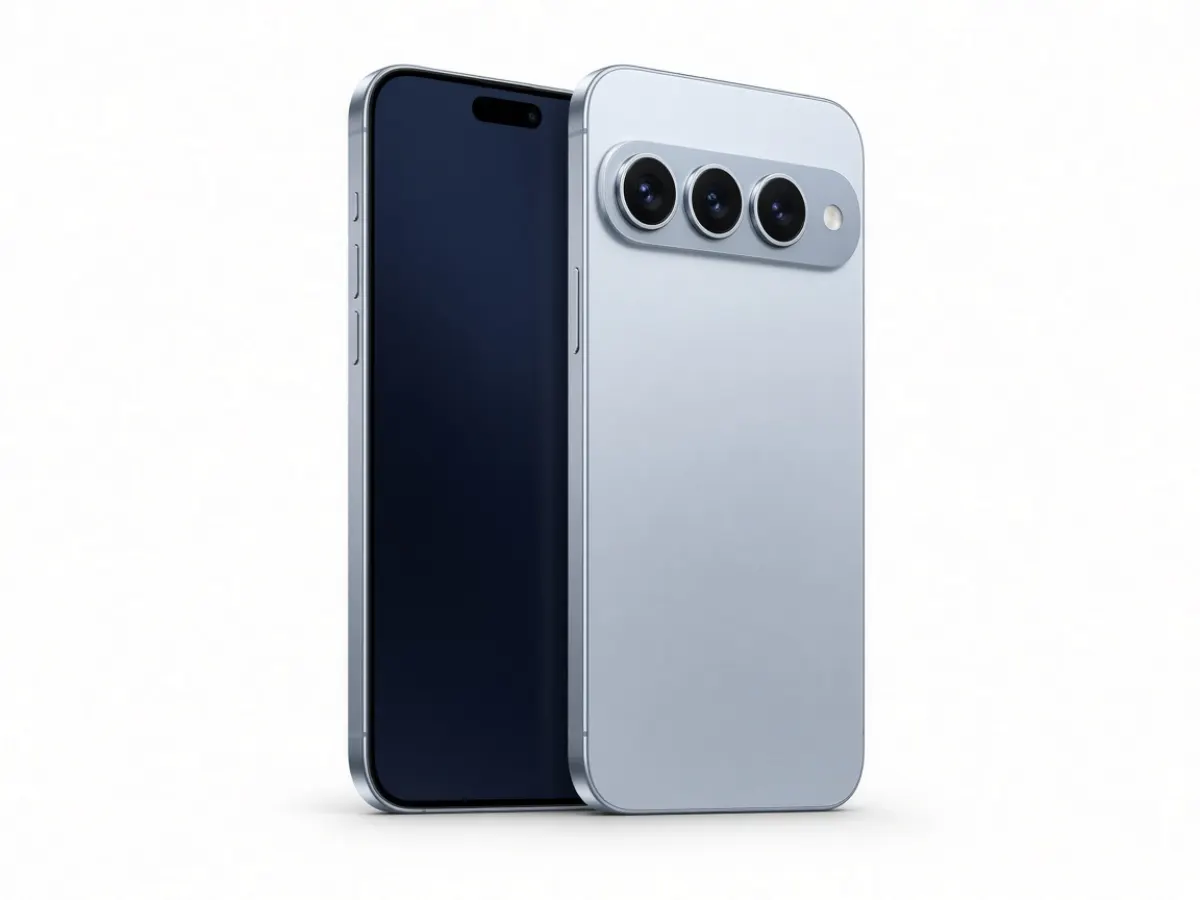
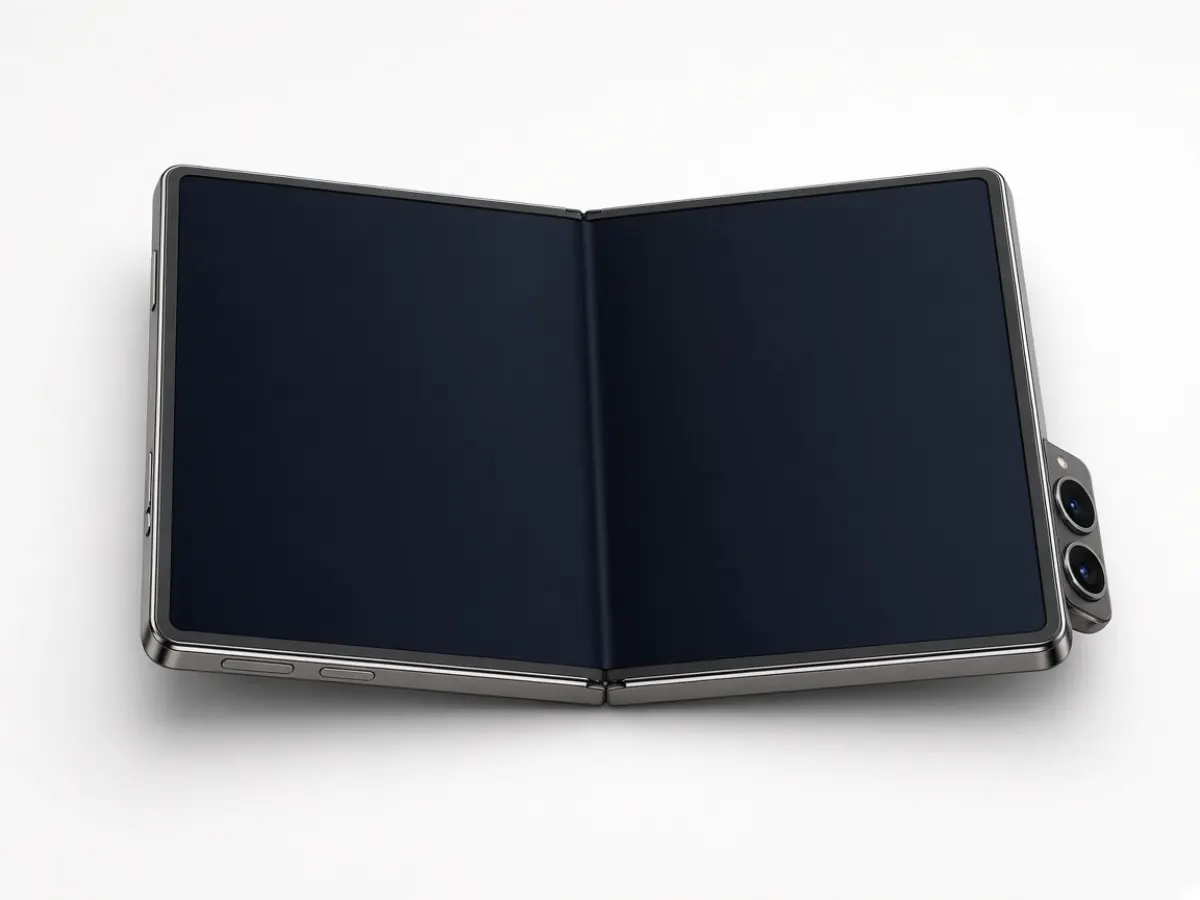
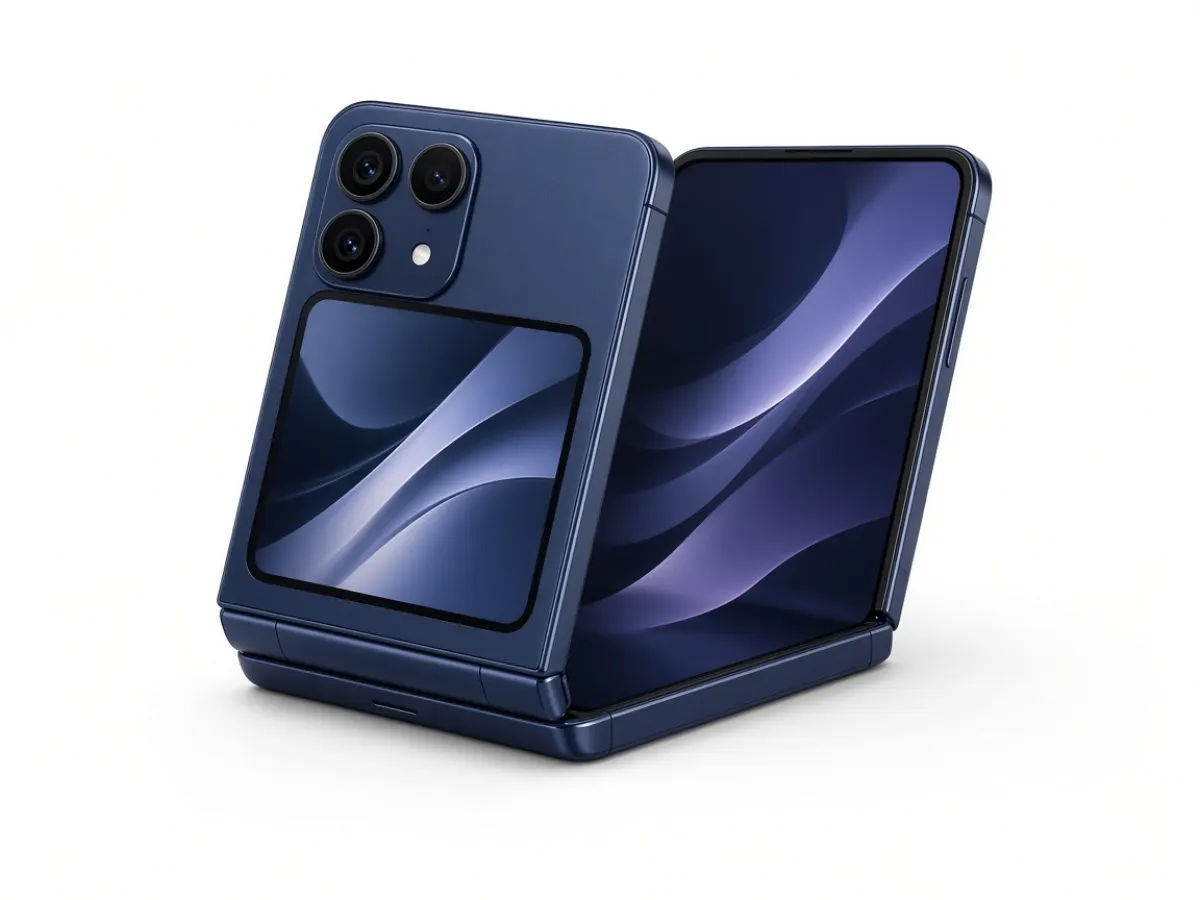
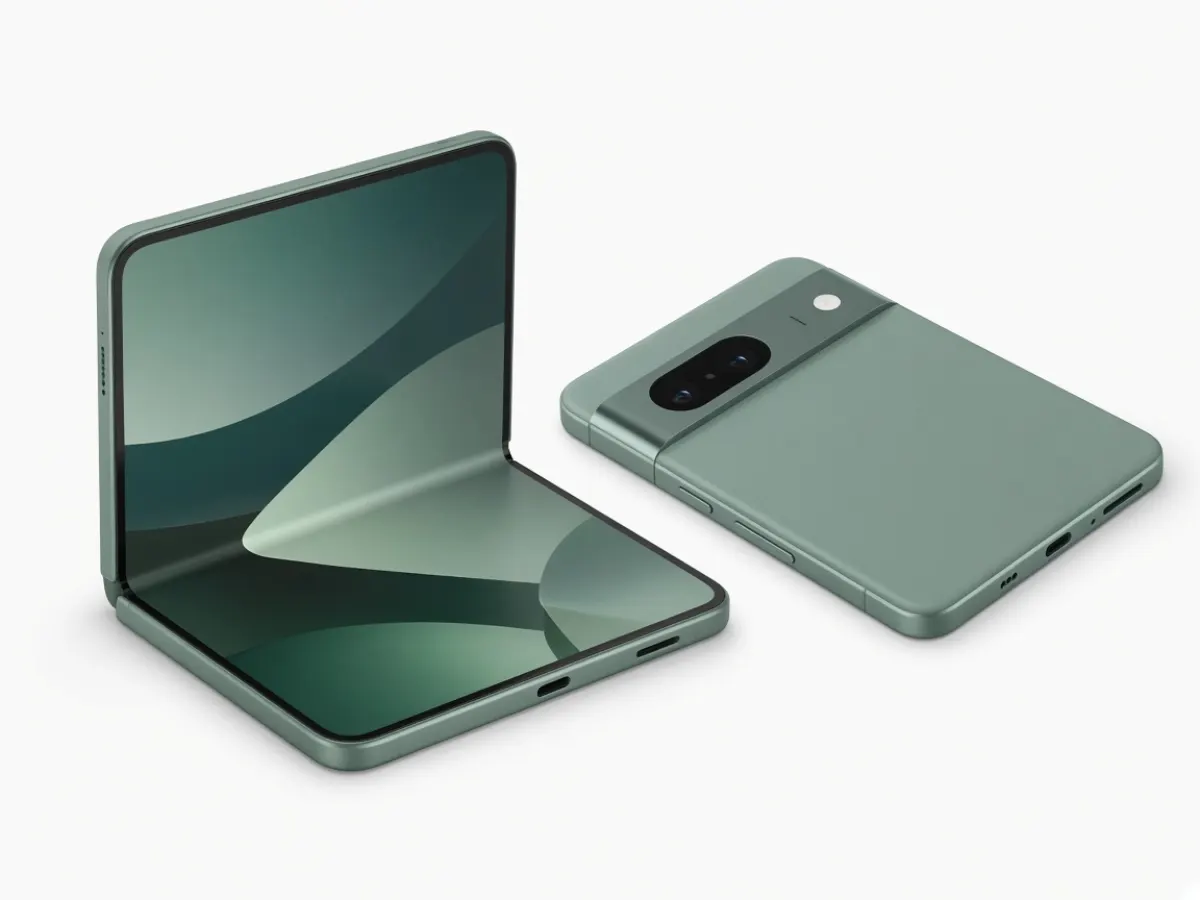
Samsung Galaxy Z Fold7
Specs, US price, release date, and Android Hire verdict
The foldable that stopped apologising for its thickness — 8.9mm folded with a 200MP camera — now discounted to around $1,500 while the Fold 8 asks $1,899 and drops the telephoto entirely.
- 8.9mm folded and 215g — thinner and lighter than the Galaxy S25 Ultra, which removes the main reason people rejected earlier Folds
- 200MP main sensor is a genuine generational jump; the Fold line finally shoots like a flagship rather than a compromise
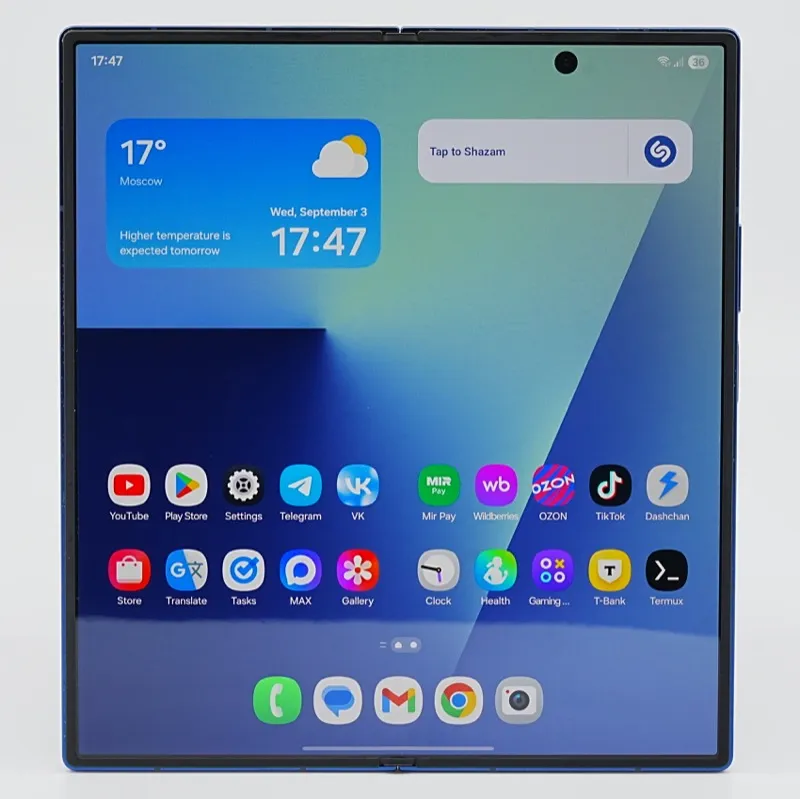
- 8-inch inner LTPO AMOLED at 2600 nits peak is bright enough to use outdoors, with a much fainter crease than Fold6
- 6.5-inch cover screen is now a normal phone-shaped display, not the narrow strip of earlier Folds
- Seven major Android OS upgrades and matching security support — the longest promise on any foldable
- Snapdragon 8 Elite for Galaxy posts ~2.0M AnTuTu, matching the best bar-style flagships
- Battery is the consistent complaint in long-term reviews — 4,400mAh unchanged, and heavy users report needing a power bank daily
- 25W wired charging is indefensible at this price: 50% in 30 minutes, roughly 90 minutes for a full charge, with no improvement in years
- IP48 certifies against solids larger than 1mm only, so fine dust and beach sand can still reach the hinge — the Pixel 10 Pro Fold is the only foldable with true IP68 dust-tight sealing
- No S Pen support, and Samsung has not restored it on the Fold 8 either — meanwhile rival foldables have reintroduced styluses
- The 10MP 3x telephoto and 12MP ultrawide feel weak beside the excellent 200MP main sensor, the most-cited camera complaint
- Reported hinge flatness inconsistency: a 2026 longevity study found roughly 25% of Fold7 units don't close perfectly flat, though RMA rates remained low at about 3.3%
Android Hire Verdict — Still the foldable to buy — now that it's discounted
The Z Fold7 was the first Samsung book foldable to cost nothing in pocketability, and a year on it remains the most sensible big-screen foldable for most people — largely because of what happened next. Samsung's Fold 8 arrived in July 2026 at $1,899 but reportedly drops the 3x telephoto entirely, while the Fold7 has fallen to around $1,500. That makes last year's model the better-equipped phone at a meaningfully lower price. The long-standing caveats haven't moved: the 4,400mAh battery is merely adequate, 25W charging is poor for the money, IP48 leaves the hinge exposed to fine dust, and there's still no S Pen. Buy it discounted for the 8-inch screen and the 200MP camera, and budget for a power bank.
Samsung Galaxy Z Fold7 in depth
What actually changed from the Galaxy Z Fold6
The headline number is thickness. Fold6 measured 12.1mm folded; Fold7 is 8.9mm, and unfolded it is 4.2mm per half. That is the difference between a phone that visibly bulges in a front pocket and one that does not, and it is the single change most likely to convert someone who has spent six generations saying foldables are too chunky.
The second change is the camera. Samsung moved the 200MP ISOCELL HP2-class sensor from the Galaxy S25 Ultra into the Fold, replacing the 50MP unit. On a device where every previous generation asked you to accept mid-range imaging for flagship money, this matters more than the spec sheet suggests — the Fold7 is the first one you can carry as your only camera without regret.
The third is the cover display, now 6.5 inches at 1080 x 2520 with a conventional aspect ratio. Earlier Folds had tall, narrow outer screens that made one-handed typing awkward enough that people opened the phone for tasks that should not require it. The Fold7's cover screen is simply a normal phone.
What did not change: the battery is 4,400mAh, charging is still 25W, and the 10MP 3x telephoto is the same module Samsung has shipped since the Fold4. Those are the three places the thinness was paid for.
Battery life and the 25W problem
GSMArena measured 11 hours 44 minutes of active use, which lands the Fold7 in comfortable one-day territory for mixed use but well short of the 15-hour figures that big-battery bar phones now post. Drive the 8-inch inner panel at full brightness for video or gaming and the drop is steep, because you are lighting nearly twice the area of a normal phone from a battery that is smaller than a Galaxy S25 Plus's.
Charging is the harder complaint. 25W QC2.0 gets you 50% in 30 minutes and a full charge in roughly an hour and a half. Competing Chinese foldables charge two to three times faster. Samsung's stated reason is longevity and heat management inside a 4.2mm chassis, and that argument is not unreasonable — but at $1,999.99 it reads as a limitation the buyer absorbs rather than a decision made for them.
Wireless charging is 15W and reverse wireless is 4.5W, both unchanged. If you routinely need a fast mid-day top-up, budget for a power bank rather than expecting the phone to solve it.
Galaxy Z Fold7 vs Galaxy Z Fold 8: buy last year's
Samsung launched the Z Fold 8 at Unpacked in July 2026 at $1,899, alongside a Fold 8 Ultra at $2,099. Ordinarily that would end the Fold7's relevance. It hasn't, for two reasons.
First, price. The Fold7 has fallen to roughly $1,500 with no trade-in required — a $400 gap that buys a great many accessories or simply stays in your pocket.
Second, and more surprising, the Fold 8 reportedly drops the 3x telephoto camera entirely. The Fold7's telephoto was already its weakest lens, but removing it altogether means the newer phone loses optical reach the older one has. Combined with the Fold 8 moving to a new "passport" design that not everyone prefers, the generational upgrade is less clear-cut than the numbering implies.
What the Fold 8 does bring is Snapdragon Elite Gen 5 and its efficiency gains. If battery life is your primary complaint about foldables — and for many Fold owners it is — that matters. But it still does not restore S Pen support, which Samsung has now declined to bring back for a second straight generation.
For most buyers in late 2026, the discounted Fold7 is the better purchase.
Durability: IP48, the hinge, and what a year of ownership revealed
IP48 is not IP68, and the distinction genuinely matters on a folding phone. The '4' certifies protection against solid objects larger than 1mm — it explicitly does not cover fine dust, sand, or grit, which are exactly the particles that damage a hinge. The '8' means immersion to 1.5m for 30 minutes, so rain and accidental dunks are properly covered.
This is the Fold7's clearest competitive weakness. Google's Pixel 10 Pro Fold is the first foldable to achieve full IP68 dust-tight certification, via a new gearless hinge. Worth noting as a counterpoint: reporting suggests that Fold's dust resistance degrades over time rather than lasting the life of the device, so it is an advantage rather than an absolute guarantee.
A year of ownership data adds useful nuance. A 2026 longevity study found roughly 25% of Fold7 units have a hinge that doesn't close completely flat — carried over from the Fold6 and unfixed — against about 0.5% on the Fold5. That sounds alarming, but the same data showed an RMA rate of only about 3.3%, a broken inner screen rate near 1.7%, and no reported micro-cracks or screen-protector peeling. The flatness issue is largely cosmetic today, though it correlates with a higher chance of micro-cracks later.
Practical advice: keep it out of sand and construction dust, never fit a rigid glass protector to the inner panel (use the factory film and let a service centre replace it), and treat the Mohs level 1 inner display as the plastic surface it is — a fingernail can mark it.
Why there's no S Pen, and what Samsung got for it
The Fold7 dropped S Pen support entirely, and this remains the most persistent complaint from previous Fold owners. The reason is straightforward: the digitiser layer required for stylus input adds measurable depth, and Samsung could not hit 4.2mm per half while keeping it.
The part that usually goes unmentioned is what Samsung did with the space. Removing the digitiser allowed a thicker sheet of ultra-thin glass in the inner display stack, which improved panel durability — the inner screen now rates Mohs level 1 rather than denting trivially. So the trade was not simply "stylus for thinness"; it was stylus for thinness *and* a tougher screen.
Whether that was the right call depends entirely on whether you used the S Pen. If you did, note that Samsung has not restored it on the Fold 8 or Fold 8 Ultra either, so there is no upgrade path back within Samsung's own lineup — and some rival foldables have since reintroduced stylus support.
Who should buy it — and who should not
Buy the Fold7 if you genuinely use the big screen: split-screen multitasking, Samsung DeX, long documents, spreadsheets, comics, or reading. At around $1,500 with seven years of OS updates, the cost amortises far better than it did at $1,999, and this remains the generation that stopped making you choose between a big screen and a pocketable phone.
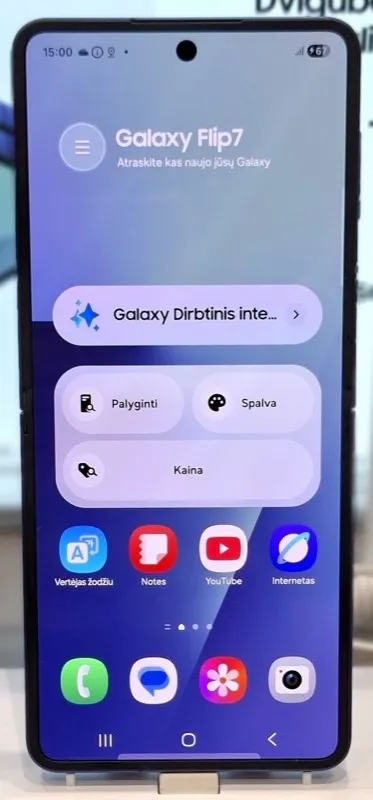
Do not buy it if your priority is battery life, fast charging, zoom photography, or stylus input. The Galaxy S26 Ultra beats it on all four. If you want a foldable for the form factor rather than the screen area, the Galaxy Z Flip7 does that for far less. And if you work around sand or fine dust regularly, the Pixel 10 Pro Fold's IP68 rating is the more sensible choice.
Samsung Galaxy Z Fold7 benchmarks
GSMArena's tested figures for a retail Z Fold7 with the Snapdragon 8 Elite for Galaxy. Sustained scores drop under load — the vapour chamber is larger than Fold6's, but a 4.2mm-thick half still has limited thermal headroom, so expect throttling in long gaming sessions that a thicker bar phone would avoid.
Samsung Galaxy Z Fold7 vs the competition
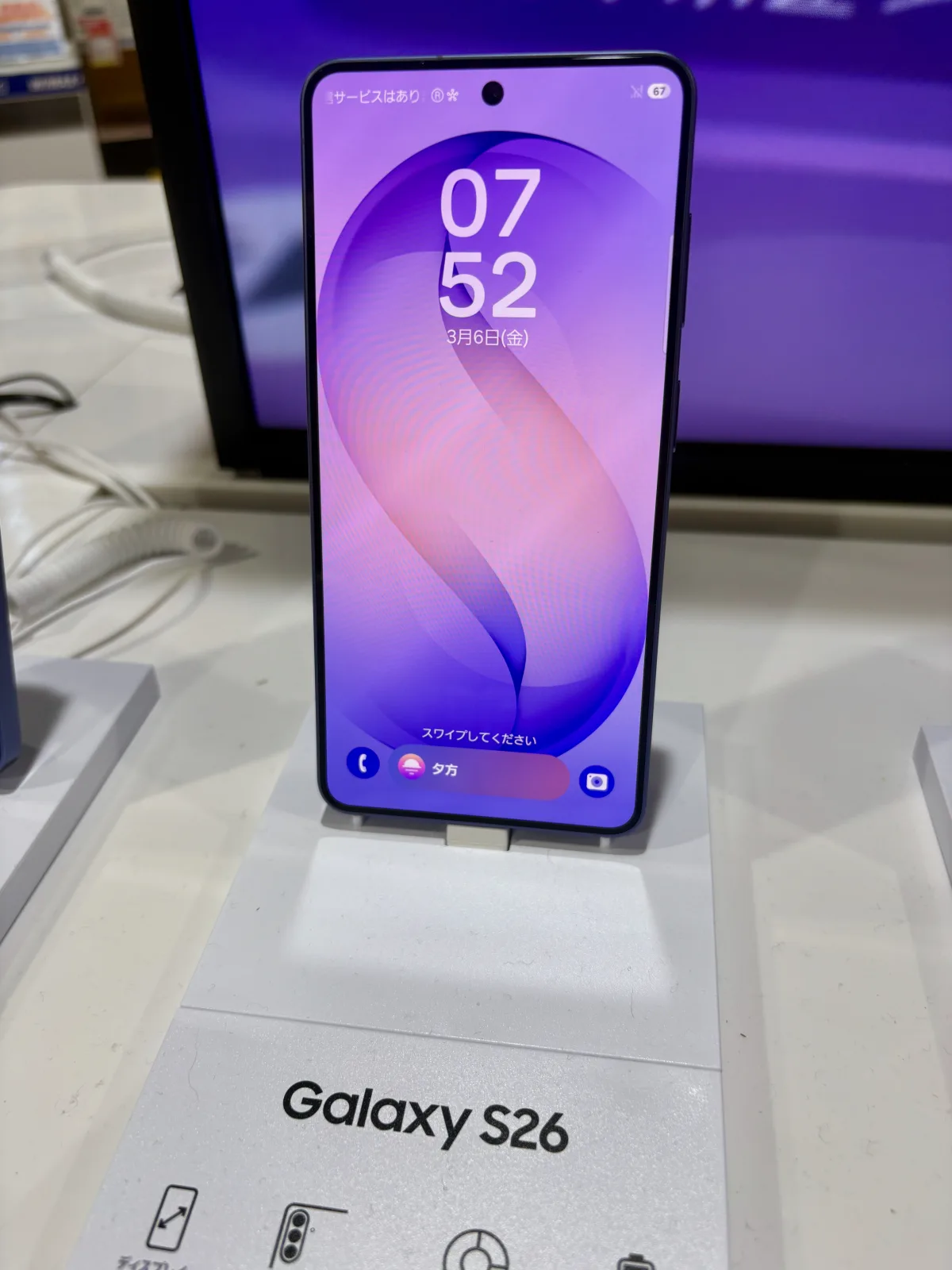
How the Samsung Galaxy Z Fold7 compares against the Samsung Galaxy Z Flip7, the Samsung Galaxy Z Fold8 and the Samsung Galaxy S26 — its closest rivals in our directory.
| Spec | Samsung Galaxy Z Fold7 | Samsung Galaxy Z Flip7 | Samsung Galaxy Z Fold8 | Samsung Galaxy S26 |
|---|---|---|---|---|
| Launch price | $1,999.99 | $1,099.99 | $1,899.99 | $899.99 |
| Display | 8" foldable LTPO 120Hz | 6.9" foldable LTPO 120Hz | 7.6" inner + 5.5" cover | 6.3" AMOLED 120Hz |
| Chipset | Snapdragon 8 Elite for Galaxy | Exynos 2500 | Snapdragon 8 Elite Gen 5 | Snapdragon 8 Elite Gen 5 |
| Camera | 200MP + 10MP 3x + 12MP UW | 50MP wide + 12MP ultrawide | 50MP + 50MP UW | 50MP + 10MP 3x + 12MP UW |
| Battery | 4400mAh · 25W wired | 4300mAh · 25W wired | 4800mAh · 45W wired | 4300mAh · 25W wired |
| AnTuTu 10 | ~1,995,000 | ~1,513,000 | ~2,400,000 (est.) | ~2,441,000 |
| Our score | 87/100 | 81/100 | 87/100 | 86/100 |
Samsung Galaxy Z Fold7 full specifications
Launch
- Announced
- 2025, July 9
- Released
- 2025, July 25
- Status
- Available
Network
- Technology
- GSM / CDMA / HSPA / EVDO / LTE / 5G
- 5G bands
- 1, 2, 3, 5, 7, 8, 12, 20, 25, 26, 28, 38, 40, 41, 66, 71, 77, 78 SA/NSA/Sub6; US models add 257/258/260/261 mmWave
- Speed
- HSPA, LTE, 5G
Body
- Dimensions
- Unfolded 158.4 x 143.2 x 4.2 mm; folded 158.4 x 72.8 x 8.9 mm
- Weight
- 215 g
- Build
- Gorilla Glass Victus Ceramic 2 cover, plastic inner display, Gorilla Glass Victus 2 back, aluminium frame
- SIM
- Dual Nano-SIM + dual eSIM (max 2 active)
- Durability
- IP48 dust- and water-resistant (solids >1mm; immersible up to 1.5m for 30 min)
Display
- Main type
- Foldable Dynamic LTPO AMOLED 2X, 120Hz, HDR10+, 2600 nits (peak)
- Main size
- 8.0 inches
- Main resolution
- 1968 x 2184 pixels, ~368 ppi
- Cover type
- Dynamic LTPO AMOLED 2X, 120Hz, 6.5 inches, 1080 x 2520 pixels (~422 ppi)
- Protection
- Inner panel Mohs level 1 with titanium plate layer; cover Gorilla Glass Ceramic 2
Platform
- OS
- Android 16 with One UI 8; 7 major OS upgrades and 7 years of security updates guaranteed
- Chipset
- Qualcomm SM8750-AC Snapdragon 8 Elite for Galaxy (3nm)
- CPU
- Octa-core (2x4.47 GHz Oryon V2 Phoenix L & 6x3.53 GHz Oryon V2 Phoenix M)
- GPU
- Adreno 830 (1200 MHz)
Memory
- Card slot
- No
- Internal
- 256GB/512GB/1TB with 12GB RAM; 1TB with 16GB RAM
- Technology
- UFS 4.0
Main Camera
- Setup
- Triple: 200 MP (wide) + 10 MP (telephoto) + 12 MP (ultrawide)
- Wide
- 200 MP, f/1.7, 24mm, 1/1.3", 0.6µm, multi-directional PDAF, OIS
- Telephoto
- 10 MP, f/2.4, 67mm, 1/3.94", 1.0µm, PDAF, OIS, 3x optical zoom
- Ultrawide
- 12 MP, f/2.2, 13mm, 120°, 1/2.55", 1.4µm, dual pixel PDAF
- Features
- LED flash, HDR, panorama
- Video
- 8K@30fps, 4K@60fps, 1080p@60/120/240fps, gyro-EIS, 10-bit HDR, HDR10+
Selfie Camera
- Inner
- 10 MP, f/2.2, 18mm, 1/3.0", 1.12µm
- Cover
- 10 MP, f/2.2, 24mm, 1/3.0", 1.12µm
- Features
- HDR
- Video
- 4K@30/60fps, 1080p@30/60fps, gyro-EIS
Sound
- Loudspeaker
- Yes, with stereo speakers
- 3.5mm jack
- No
- Other
- High-bitrate audio support
Comms
- Wi-Fi
- 802.11 a/b/g/n/ac/6e/7, tri-band
- Bluetooth
- 5.4, A2DP, LE, aptX HD
- Positioning
- GPS, GALILEO, GLONASS, BDS, QZSS
- NFC
- Yes
- USB
- USB Type-C 3.2, OTG
Features
- Fingerprint
- Side-mounted, capacitive
- Sensors
- Accelerometer, gyro, proximity, compass, barometer
- Other
- Samsung DeX desktop mode, Ultra Wideband (UWB); no S Pen support
Battery
- Type
- Li-Po 4400 mAh, non-removable
- Charging
- 25W wired (QC2.0, 50% in 30 min), 15W wireless, 4.5W reverse wireless
- Tested endurance
- 11:44h active use (GSMArena)
Misc
- Colors
- Blue Shadow, Silver Shadow, Jetblack, Mint (Samsung.com exclusive)
- Models
- SM-F966B, SM-F966B/DS, SM-F966U, SM-F966U1
- Price
- $1,999.99 US launch price (12GB + 256GB), $2,199.99 (512GB), $2,499.99 (1TB); £1,799 UK; ₹1,74,999 India
Samsung Galaxy Z Fold7 FAQ
Should I buy the Galaxy Z Fold7 or wait for the Fold 8?
The Fold 8 is already out — it launched in July 2026 at $1,899, with a Fold 8 Ultra at $2,099. Despite that, the Fold7 is arguably the better buy: it has fallen to around $1,500, and the Fold 8 reportedly drops the 3x telephoto camera entirely, meaning the newer phone loses optical reach the older one has. The Fold 8 does bring Snapdragon Elite Gen 5 and its battery-efficiency gains, which matters if endurance is your main concern. Neither restores S Pen support.
How much does the Samsung Galaxy Z Fold7 cost?
It launched at $1,999.99 for 12GB + 256GB, $2,199.99 for 512GB, and $2,499.99 for 1TB — $100 more than the Z Fold6 at each tier. Since the Fold 8's arrival, the Fold7 has been discounted heavily, reaching roughly $1,500 without requiring a trade-in. Samsung and the major carriers also run aggressive trade-in credit on the Fold line.
Will dust damage the Galaxy Z Fold7 hinge?
It's a genuine risk. The IP48 rating certifies protection only against solid objects larger than 1mm, so fine dust and beach sand can still reach the hinge mechanism. Google's Pixel 10 Pro Fold is currently the only foldable with full IP68 dust-tight certification, though reporting suggests its dust resistance degrades over time rather than lasting the device's life. Practically: keep the Fold7 away from sand and construction dust, and don't leave it loose in a bag with grit.
Does the Galaxy Z Fold7 crease get worse over time?
Reports after a year of ownership suggest it does not meaningfully worsen. The Fold7's redesigned hinge folds the panel on a wider radius, making the crease the faintest Samsung has shipped — hard to see when the screen is on, though still detectable under a finger. A separate 2026 longevity study did find roughly 25% of Fold7 units don't close perfectly flat, but RMA rates stayed low at about 3.3% with no reported micro-cracks.
Is the Galaxy Z Fold7 waterproof?
It is water-resistant but not dust-tight. The IP48 rating certifies immersion in fresh water up to 1.5m for 30 minutes, so rain and spills are covered. The '4' only certifies protection against solid objects larger than 1mm, which means fine dust and sand can still reach the hinge — the long-standing weak point of every folding phone.
Does the Galaxy Z Fold7 support the S Pen?
No. Samsung dropped S Pen support entirely on the Z Fold7 to hit its 4.2mm-per-half thickness target, since the digitiser layer required for stylus input adds measurable depth to the inner panel. If you need stylus input on a Samsung flagship, the Galaxy S25 Ultra and S26 Ultra retain a built-in S Pen.
How long does the Galaxy Z Fold7 get software updates?
Samsung guarantees seven major Android OS upgrades and seven years of security patches from its July 2025 launch, taking it to Android 23-era releases around 2032. That is the longest support commitment on any foldable currently sold, and it matches Samsung's flagship Galaxy S policy.
How fast does the Galaxy Z Fold7 charge?
Slowly by 2026 flagship standards: 25W wired, which fills the 4,400mAh battery to 50% in about 30 minutes and to full in roughly 90 minutes. Wireless charging is 15W and reverse wireless is 4.5W. Samsung has not increased Fold charging speed in several generations, citing heat and battery longevity inside the thin chassis.
Is the crease still visible on the Galaxy Z Fold7?
Yes, but it is the faintest Samsung has shipped. The redesigned hinge lets the panel fold on a wider radius, so the crease is shallow enough to be hard to see when the screen is on and largely invisible when viewed straight-on. You will still feel it under a finger swiping across the middle of the display.
Explore other phones